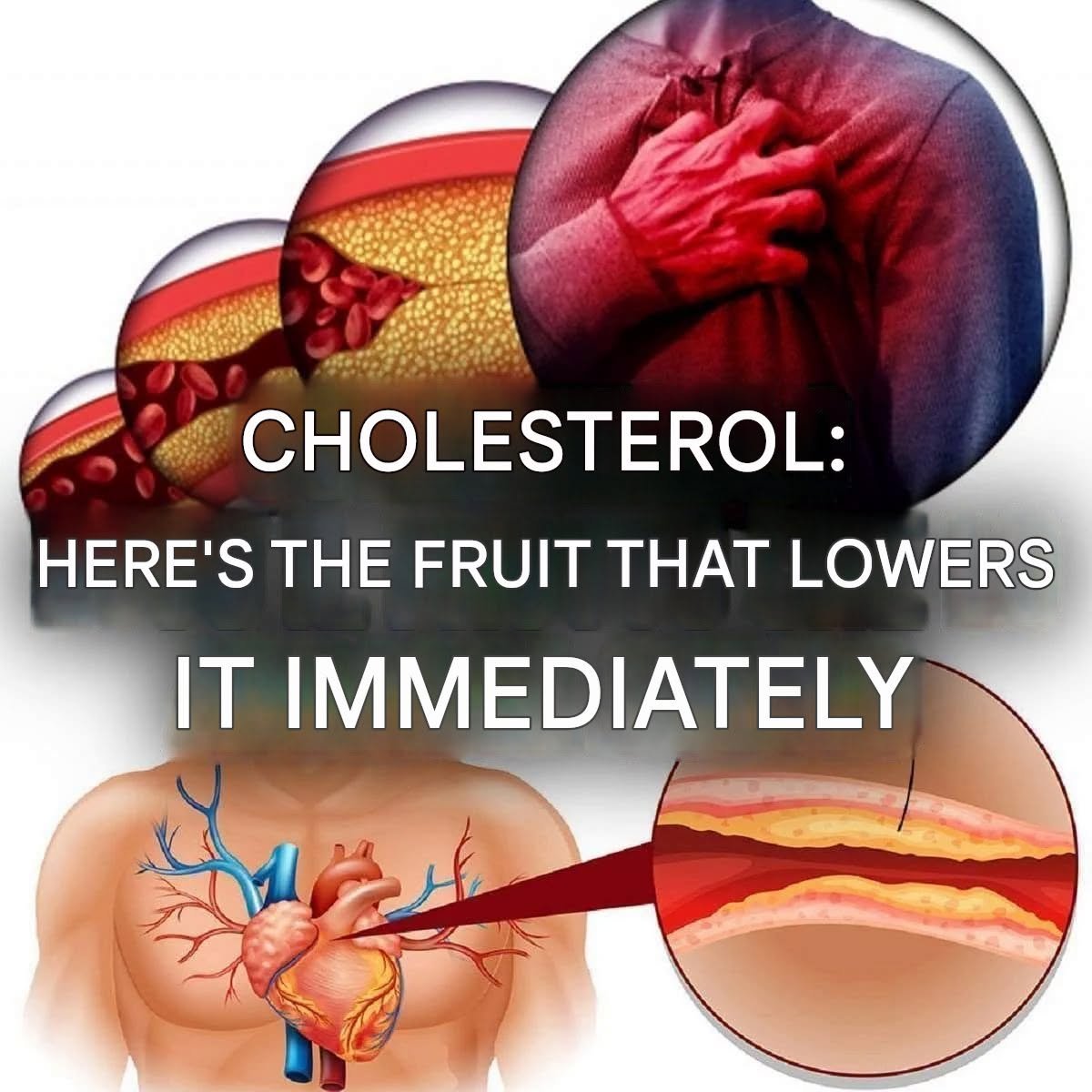
When clickbait titles and viral wellness videos promise that a single, mystical fruit holds the secret to controlling blood pressure, lowering cholesterol, and curing every metabolic woe, they are capitalizing on a grain of truth to drive engagement.
Cardiologists, dietitians, and nutrition researchers agree that while nature produces an array of phenomenal, nutrient-dense fruits with proven cardiovascular perks, no single piece of produce acts as a standalone pharmaceutical cure.
The Detailed Breakdown: What Fruits Actually Do for Your Heart
When science evaluates how fruits impact cholesterol, blood pressure, and systemic health, it comes down to specific, measurable biochemical mechanisms rather than vague “miracle properties”:
-
1. Controlling Blood Pressure via Potassium & Vasodilation
-
The Mechanism: High sodium intake causes blood vessels to constrict and fluid retention to increase, driving up blood pressure. Fruits rich in potassium (such as bananas, citrus fruits, and avocados) act as natural vasodilators. Potassium promotes sodium excretion through urine and eases tension in the walls of your blood vessels, significantly reducing vascular resistance.
-
-
2. Lowering Cholesterol via Soluble Fiber (Pectin)
-
The Mechanism: High LDL (“bad”) cholesterol contributes to arterial plaque buildup. Fruits packed with soluble fiber—particularly pectin found in apples, pears, and berries—form a viscous, gel-like substance in your small intestine. This gel binds to bile acids (which are made from cholesterol), preventing them from being reabsorbed into your bloodstream and forcing your liver to pull circulating cholesterol from your blood to make more bile.
-
-
3. Protecting Arteries via Antioxidants & Polyphenols
-
The Mechanism: Oxidized LDL cholesterol is what triggers inflammation and plaque accumulation inside artery walls. Deeply pigmented fruits (like blueberries, pomegranates, and dark grapes) are swimming in polyphenols and anthocyanins. These powerful antioxidants neutralize free radicals, reduce chronic systemic inflammation, and protect the delicate endothelial lining of your blood vessels so they stay flexible and responsive.
-
Why the “One Miracle Fruit” Narrative Falls Short
-
The Synergy of a Diet, Not a Solo Act: Eating a pomegranate or an apple won’t cancel out a diet heavy in trans fats, ultra-processed foods, and sedentary habits. Real cardiovascular protection stems from dietary patterns—like the Mediterranean diet or the DASH diet—where an abundance of different fruits, vegetables, whole grains, and lean proteins work in concert.
-
Medical Management Remains Essential: While adjusting your diet can dramatically improve your cardiovascular risk profile, it cannot replace prescribed medical interventions (like statins for severe hypercholesterolemia or antihypertensives for stage 2 hypertension).
💡 The Big Takeaway
There is no single “magic fruit” that rules them all. Instead, incorporating a colorful variety of fiber-rich, potassium-loaded, and antioxidant-packed fruits into a balanced, heart-healthy lifestyle provides powerful, scientifically backed protection for your cardiovascular system.
Are you looking to build a more heart-smart meal plan, or did a specific fruit spark your curiosity?
