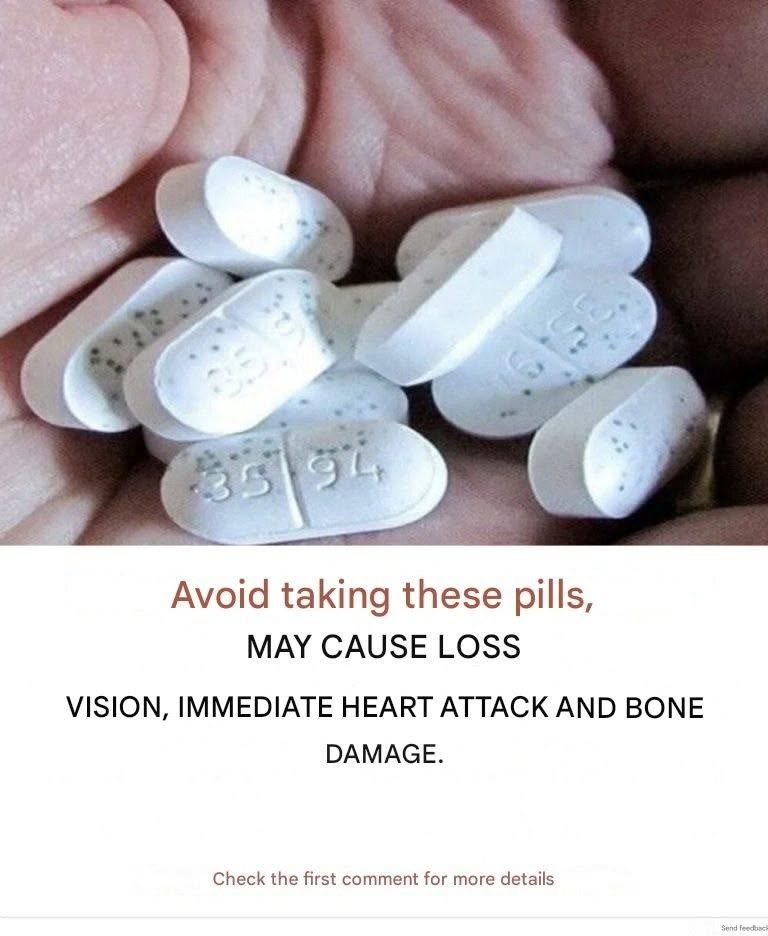
Warning: Your Everyday Pills Could Be Hiding a Dangerous Blood Clot Risk
When we reach over-the-counter or prescription medications for everyday discomforts—like headaches, joint stiffness, or hormonal imbalances—we rarely stop to think about how they might impact our cardiovascular system. Yet, certain common medications can subtly influence blood flow, platelet stickiness, or clotting factors.
Being aware of which everyday pills carry potential blood clot risks empowers you to have proactive, informed conversations with your healthcare provider.
Common Categories of Medications Linked to Clot Risks
-
Nonsteroidal Anti-Inflammatory Drugs (NSAIDs):
-
Examples: Ibuprofen, naproxen, and high-dose prescription anti-inflammatories.
-
The Concern: While commonly used for arthritis or muscle aches, frequent or long-term use of certain NSAIDs has been associated in various studies with an increased risk of cardiovascular events, including blood clots and stroke—particularly in individuals with underlying heart conditions.
-
-
Hormone-Based Medications:
-
Examples: Combined hormonal contraceptives (birth control pills containing estrogen) and certain hormone replacement therapy (HRT) medications used during menopause.
-
The Concern: Estrogen can increase the liver’s production of proteins that promote blood clotting. While generally safe for many, the risk of deep vein thrombosis (DVT) rises when combined with other risk factors like smoking, immobility, or age.
-
-
Certain Corticosteroids:
-
Examples: Prednisone or other steroid medications prescribed for severe inflammation or autoimmune flare-ups.
-
The Concern: Long-term use can alter blood chemistry and coagulation pathways, occasionally elevating the likelihood of clot formation.
-
Smart Steps to Stay Safe
Navigating medications safely doesn’t mean living in fear of necessary treatment; it means practicing mindful awareness:
-
Review Your Full Regimen Regularly: Make a complete list of everything you take—including over-the-counter painkillers, vitamins, and supplements—and review it annually with your doctor or pharmacist.
-
Use the Lowest Effective Dose: For everyday pain relievers like NSAIDs, aim to use the lowest dose for the shortest duration necessary rather than relying on them daily out of habit.
-
Move Regularly During Long Periods: If you take medications known to influence clotting risk, combat sluggish circulation by avoiding long stretches of sitting. Stand up, stretch, or walk around every hour, especially during travel.
-
Know Your Personal Risk Factors: Your overall risk is a combination of genetics, lifestyle, age, and medication. Factors like smoking, a history of poor circulation, or long periods of inactivity compound medication-related risks.
The Takeaway: Always consult your physician before stopping any prescribed medication, but never hesitate to ask: “Are there any cardiovascular or clotting risks with this medication, and is there a gentler alternative for my long-term health?”
