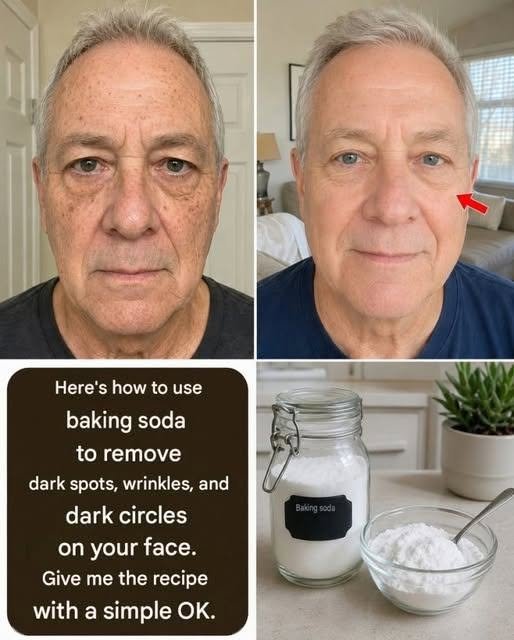
DIY skincare blogs and viral beauty reels love to feature baking soda as a cheap, natural miracle for clearing acne, exfoliating dead skin, or brightening dark spots. They often provide “gentle” recipes mixed with honey or coconut oil to make it seem safer.
However, dermatologists and cosmetic chemists universally advise keeping baking soda completely off your face. Here is the clinical reality behind why this common household ingredient is so damaging to facial skin.
The Chemistry of Your Skin (The Acid Mantle)
To understand why baking soda is harmful, you have to look at chemistry.
Healthy human skin has a natural, protective barrier called the acid mantle. This barrier thrives in a slightly acidic environment, typically sitting at a pH level of 4.5 to 5.5. This acidity keeps moisture locked in and prevents harmful bacteria from surviving on your face.
Baking soda (sodium bicarbonate), on the other hand, is highly alkaline, boasting a pH of 9.
The Real Risks of Baking Soda on the Face
When you apply a highly alkaline substance to acidic skin, it triggers a cascade of biological damage:
-
1. Destroying the Skin Barrier: Baking soda aggressively strips away the natural lipids and oils that make up your moisture barrier. This leaves your skin chronically dehydrated, tight, and vulnerable to environmental damage.
-
2. Triggering Breakouts: Ironically, many people use baking soda to fight acne, but an alkaline environment is exactly where acne-causing bacteria (C. acnes) thrive. By neutralizing your acid mantle, you are rolling out the red carpet for bacterial infections.
-
3. Micro-Tears and Inflammation: The jagged, crystalline structure of baking soda makes it a harsh physical abrasive. Scrubbing your face with it causes microscopic tears in the epidermis, leading to severe inflammation and, paradoxically, worsening hyperpigmentation (post-inflammatory hyperpigmentation) as the skin tries to heal itself.
The “Gentle Recipe” Illusion
Viral articles often suggest that mixing baking soda with soothing ingredients like honey, aloe, or oils makes it safe. While these ingredients might physically buffer the harsh scrubbing action, they do not change the underlying pH mismatch. The alkaline chemical burn still occurs at a microscopic level.
Evidence-Based Exfoliation
If you are looking to smooth your skin, clear out pores, or brighten your complexion, dermatologists recommend pH-balanced, chemical exfoliants instead of physical kitchen scrubs:
-
Salicylic Acid (BHA): Oil-soluble and excellent for dissolving blackheads and treating acne.
-
Lactic or Glycolic Acid (AHAs): Water-soluble acids that gently unglue dead skin cells to brighten the skin without tearing it.
💡 The Big Takeaway
Baking soda is a brilliant, alkaline cleaner for scrubbing baked-on grease off your gas stove, but it is far too harsh for the delicate, acidic environment of your face.
Are you looking for a safe way to tackle a specific skin concern like breakouts or hyperpigmentation, or did a DIY beauty video pop into your feed?
