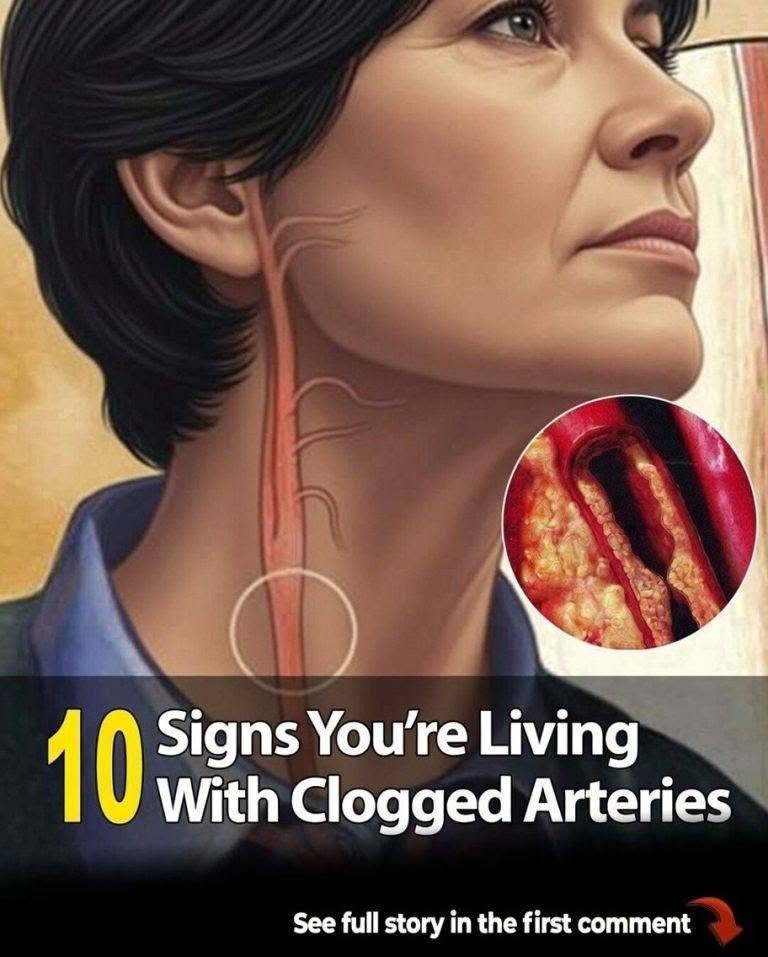
Viral health videos and clickbait wellness sites love to publish terrifying lists claiming that a sudden twitch, a mild ache, or a slightly tired muscle is a definitive sign of “blocked arteries” (atherosclerosis) waiting to cause a catastrophic heart attack or stroke.
Cardiologists and vascular specialists emphasize that while cardiovascular disease is a serious medical condition, real arterial blockages don’t usually whisper through random, vague symptoms—they present with specific, predictable patterns of reduced blood flow.
The Medical Reality of Blocked Arteries (Atherosclerosis)
Arteries are the blood vessels that deliver oxygen-rich blood from your heart to the rest of your body. Over time, fatty deposits called plaques can build up inside these arteries, narrowing them and restricting blood flow.
However, because your cardiovascular system has a remarkable ability to compensate, early-to-moderate plaque buildup is often completely asymptomatic. You cannot feel a blocked artery until the narrowing becomes severe enough to starve a specific tissue or organ of oxygen.
Real Indicators of Significant Arterial Blockage
When doctors evaluate patients for potential arterial blockages, they look for specific clinical syndromes that signal restricted blood flow:
-
1. Exertional Chest Pain (Angina):
-
What it feels like: Pressure, squeezing, fullness, or aching in the center of your chest that consistently occurs only when you exert yourself (like walking up a steep hill or climbing stairs) and goes away within a few minutes of resting. This indicates blocked coronary arteries.
-
-
2. Intermittent Claudication (Leg Pain with Walking):
-
What it feels like: A cramping, aching, or tired feeling in your calves, thighs, or buttocks that consistently kicks in after walking a certain distance and disappears promptly when you stop to rest. This is a classic sign of Peripheral Artery Disease (PAD), meaning the arteries supplying your legs are narrowed.
-
-
3. Transient Ischemic Attacks (TIAs) or Stroke Symptoms:
-
What it looks like: Sudden numbness or weakness (especially on one side of the body), sudden slurred speech, confusion, or temporary vision loss in one eye. These can occur when carotid arteries in the neck supplying the brain become severely narrowed or shed micro-emboli.
-
-
4. Shortness of Breath During Exertion:
-
What it feels like: Breathlessness that is out of proportion to the amount of activity you are doing, occurring because the heart muscle isn’t receiving enough oxygen-rich blood to pump efficiently.
-
Separating Internet Myths From Clinical Facts
-
The “Random Aches and Pains” Fallacy: Viral lists often claim that minor eye twitches, random foot cramps, or general fatigue are hidden signs of clogged arteries. In reality, these are usually related to simple things like muscle strain, hydration shifts, stress, or lack of sleep—not vascular disease.
-
How Doctors Actually Diagnose Blockages: You cannot diagnose a blocked artery with a home checklist. Physicians use objective, diagnostic tools such as:
-
Ankle-Brachial Index (ABI): Comparing blood pressure in your ankles to your arms to check for PAD.
-
Carotid Ultrasound: Imaging the neck arteries to look for plaque buildup.
-
Stress Tests or Coronary Angiography: Visualizing blood flow to the heart muscle.
-
💡 The Big Takeaway
Real arterial blockages reveal themselves through predictable patterns of oxygen starvation—most notably pain or tightness during physical exertion that subsides with rest. Instead of panicking over vague internet checklists, managing cardiovascular health comes down to monitoring key risk factors like blood pressure, cholesterol, and smoking habits with your doctor.
Are you evaluating your heart health, or did a dramatic health article catch your eye?
