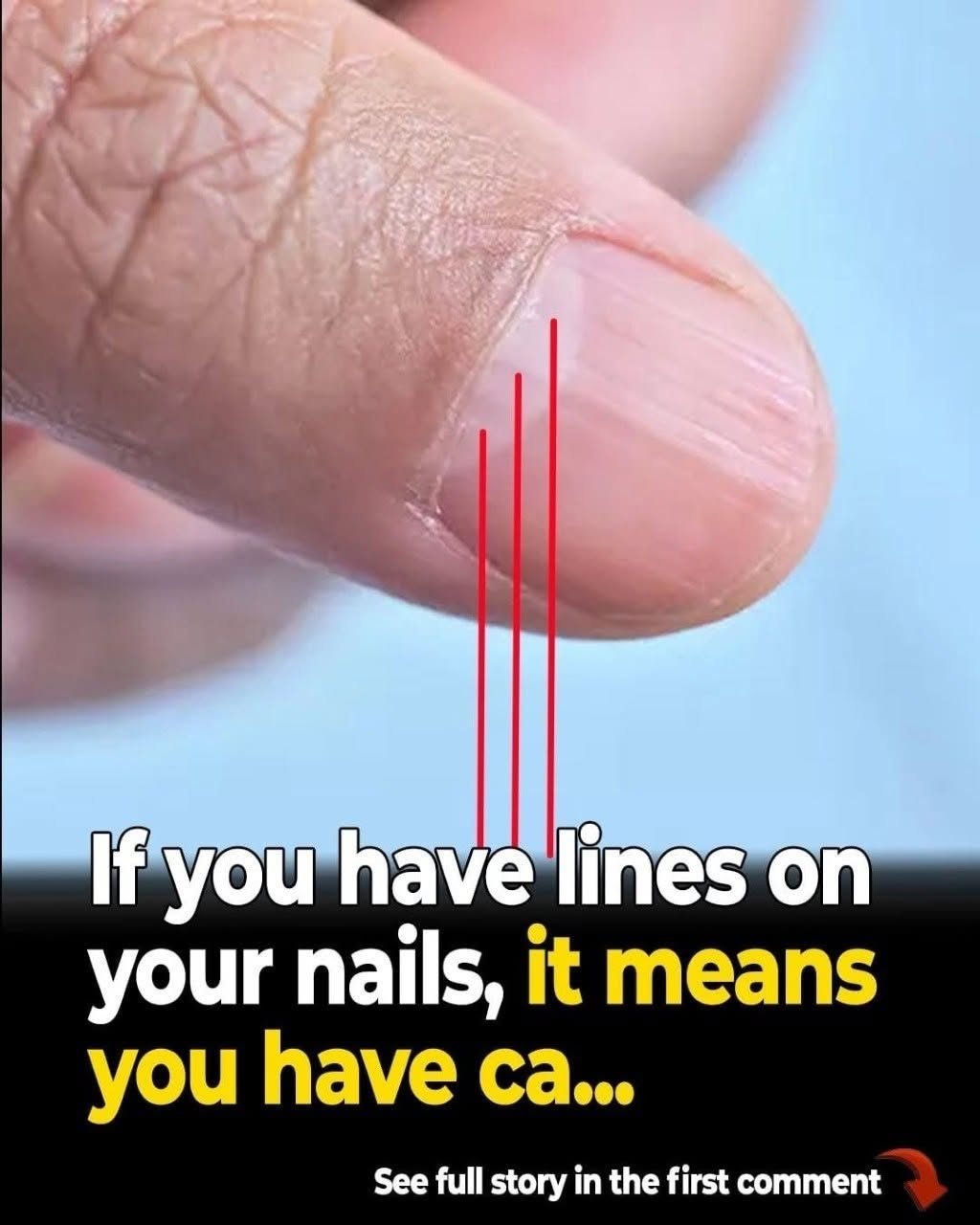
Viral health feeds and clickbait wellness sites love to publish headlines claiming that a tiny speck, line, or shape on your fingernails is a secret, mystical indicator of your exact life expectancy or a hidden terminal illness waiting to strike.
Dermatologists, primary care physicians, and clinical specialists take a much more grounded, evidence-based view. While your fingernails can occasionally offer subtle clues about your overall systemic health or underlying nutritional status, they are not a crystal ball predicting how long you will live. Instead, they act like a biological bulletin board reflecting things that happened weeks or months ago.
The Science of Nail Growth and Systemic Clues
Your fingernails grow from the matrix beneath your cuticle at an average rate of about 2 to 3 millimeters per month. Because they grow relatively slowly, any systemic stress, severe illness, or nutritional disruption that occurred weeks or even months ago gets permanently “recorded” in the nail plate as it forms and grows outward.
When doctors look at fingernails during a physical exam, they are scanning for specific, medically recognized signs that can point to underlying health conditions—none of which dictate a fixed life expectancy:
-
1. Beau’s Lines (Horizontal Ridges):
-
What they look like: Deep, transverse grooves running horizontally across the nail.
-
What they mean: These occur when nail growth is temporarily interrupted by a severe systemic stressor—such as a high fever, major surgery, severe infection, uncontrolled diabetes, or extreme emotional trauma—weeks prior. Once the body recovers, the nail resumes normal growth, leaving the ridge to grow out slowly.
-
-
2. Clubbing (Enlarged Fingertips):
-
What it looks like: The tips of the fingers widen and round out, and the nails curve downward sharply like the back of a spoon.
-
What it means: Nail clubbing is caused by increased tissue fluid and blood flow to the fingertips. While it can sometimes be harmlessly inherited, doctors take it seriously because it is frequently linked to chronic conditions that reduce oxygen levels in the blood, such as chronic lung diseases, heart defects, or certain gastrointestinal disorders.
-
-
3. Splinter Hemorrhages (Tiny Dark Lines):
-
What they look like: Tiny, vertical reddish-brown lines under the nails that look like small splinters.
-
What they mean: These are often caused by minor physical trauma (like bumping your finger). However, if they appear spontaneously across multiple nails, doctors may investigate for systemic issues like endocarditis (an infection of the heart valves) or vascular inflammation.
-
-
4. Spoon Nails (Koilonychia):
-
What they look like: Nails that become thin and concave, curving upward at the edges like a spoon.
-
What they mean: This is classically associated with severe iron-deficiency anemia, hemochromatosis (iron overload), or long-term systemic stress.
-
Separating Internet Panic From Clinical Reality
-
The “Life Expectancy” Hoax: No single nail finding can mathematically calculate your remaining lifespan or serve as a standalone oracle for your health. Nails provide clues that help doctors direct further diagnostic testing (like blood work or imaging), not definitive prognoses.
-
Normal Variations: Many harmless variations—such as vertical ridges that form naturally with age, white spots (often from minor bumps to the nail matrix), or slight color changes—are completely normal and mean nothing at all.
💡 The Big Takeaway
Fingernails can occasionally reflect past systemic stress, nutritional gaps, or chronic medical conditions, but they are not mystical predictors of your life expectancy. If you notice persistent, dramatic changes in your nails—like clubbing, deep horizontal grooves, or severe discoloration—it’s a great reason to mention it to your doctor during a routine checkup, not a cause for existential panic.
Did a dramatic nail-analysis video pop up on your feed, or were you checking your hands for a specific sign?
