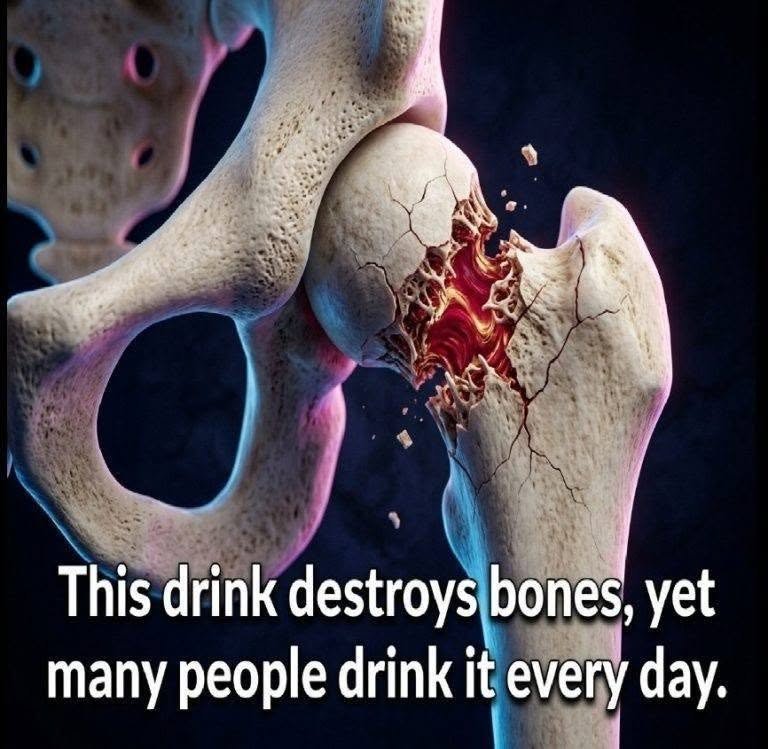
Sensationalized wellness headlines frequently target daily beverages with alarming lists claiming certain drinks actively “dissolve” or destroy your bones.
Endocrinologists, rheumatologists, and bone-health specialists take a much more evidence-based perspective. Your skeleton is living, dynamic tissue that constantly remodels itself using calcium, vitamin D, and structural hormones. While no ordinary beverage acts as an instant acid-bath for your skeleton, certain drinks can interfere with calcium absorption, increase mineral excretion, or displace nutrient-dense foods when consumed in excess.
The Beverages Most Frequently Linked to Poor Bone Health
When health experts evaluate the impact of daily liquids on bone mineral density (BMD) and long-term fracture risk, five main culprits stand out due to their chemical properties or nutritional displacement:
-
1. Dark Colas and Phosphoric Acid Sodas:
-
The Mechanism: Many carbonated soft drinks—particularly dark colas—contain high amounts of phosphoric acid, which gives them their tangy flavor. Large population studies (such as the Framingham Osteoporosis Study) have correlated high cola intake with lower bone mineral density in the hip. While the exact interplay between phosphorus and calcium balance is complex, heavy soda consumption is also problematic because it frequently replaces calcium- and vitamin D-rich milk or fortified beverages in the diet.
-
-
2. Heavy Alcohol Consumption:
-
The Mechanism: Chronic, excessive alcohol intake is devastating to skeletal health. Alcohol directly toxicates bone-forming cells (osteoblasts), interferes with the pancreas and liver’s ability to process Vitamin D, disrupts calcium absorption in the gut, and lowers protective estrogen levels (which are vital for maintaining bone density, especially post-menopause).
-
-
3. Excessive Coffee and High-Caffeine Drinks:
-
The Mechanism: Moderate caffeine intake is generally safe, but heavy consumption (typically exceeding 4 cups of brewed coffee daily, or roughly 400mg to 800mg of caffeine) can act as a mild diuretic, slightly increasing the amount of calcium excreted in your urine. If your baseline dietary calcium is already low, heavy caffeine reliance can tilt the scale away from optimal bone retention.
-
-
4. Excessively Sugary Energy and Sports Drinks:
-
The Mechanism: While sports drinks have a place during intense, prolonged athletic endurance, consuming them casually introduces massive loads of added sugars and sodium. Diets high in refined sugar and sodium can increase urinary calcium excretion. Furthermore, heavy reliance on sugary energy drinks often crowds out nutrient-dense, bone-healthy foods.
-
-
5. Commercially Sweetened “Fruit” Juices and Punches:
-
The Mechanism: Highly processed fruit juices and punches are often little more than flavored sugar water devoid of the fiber and natural matrix of whole fruit. Excess sugar spikes insulin and contributes to systemic inflammation, while the high simple-carbohydrate load can displace vital calcium-rich foods from a daily diet.
-
Protecting Your Skeletal Health
Bone health isn’t destroyed by a single cup of coffee or an occasional soda; it is shaped by decades of cumulative nutrition and lifestyle habits. To protect your bone density as you age, clinical guidelines focus on the fundamentals:
-
Ensure adequate daily intake of calcium (via dairy, leafy greens, or fortified foods) and Vitamin D.
-
Incorporate weight-bearing exercise (like walking, resistance training, or stair climbing), which signals bones to stay dense and strong.
-
Keep indulgences like alcohol and sugary soft drinks in sensible moderation.
Are you looking over your daily nutrition to support long-term bone density, or did a specific health article about drinks catch your eye?
