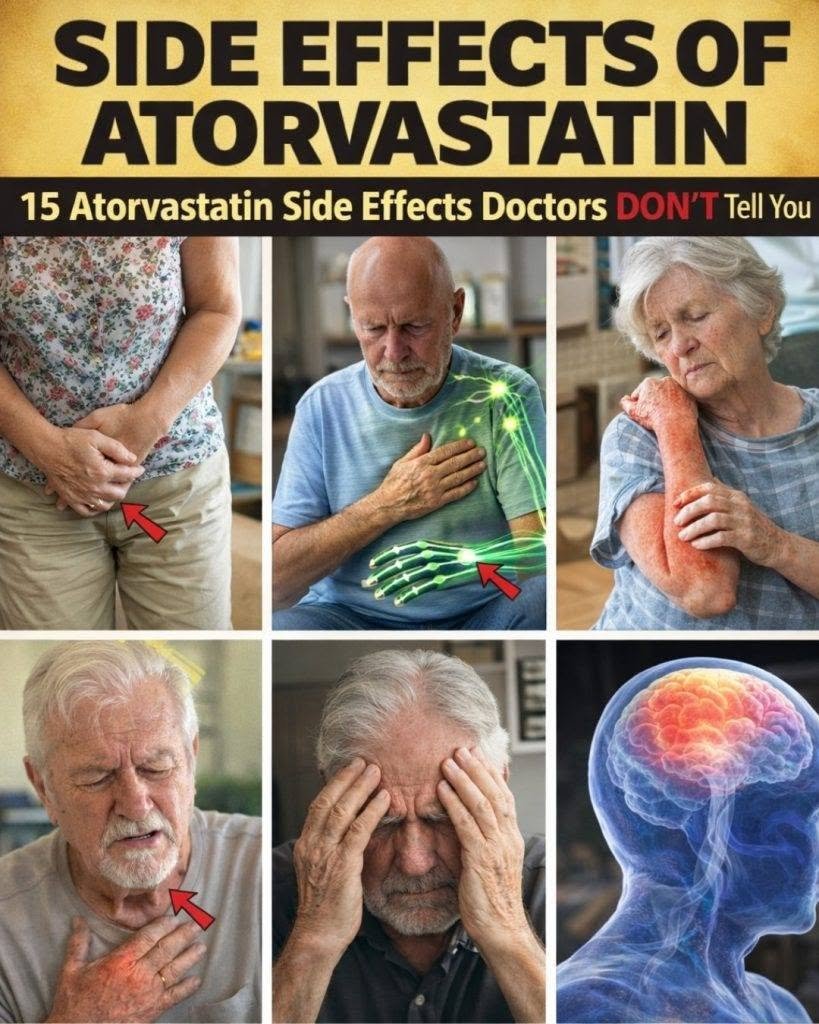
Viral health feeds often focus heavily on supplements, but in standard clinical practice, few medications are prescribed as widely or studied as thoroughly as Atorvastatin (commonly known by its brand name, Lipitor).
Cardiologists, primary care physicians, and clinical pharmacologists prescribe Atorvastatin as a foundational tool for cardiovascular disease prevention and lipid management.
What Is Atorvastatin?
Atorvastatin belongs to a class of medications called statins (HMG-CoA reductase inhibitors).
-
How it works: Inside your liver, an enzyme called HMG-CoA reductase is responsible for producing cholesterol. Atorvastatin safely blocks this enzyme.
-
The result: By slowing down cholesterol production in the liver, your liver responds by pulling more Low-Density Lipoprotein (LDL—the “bad” cholesterol) out of your bloodstream to use for its daily functions. This significantly lowers circulating LDL levels and helps stabilize existing plaque inside your arteries.
Why Is It Commonly Prescribed?
Physicians prescribe Atorvastatin for two primary reasons: primary prevention (stopping cardiovascular disease before it starts) and secondary prevention (preventing a second cardiac event in someone who already has heart disease).
Here are the main clinical scenarios where Atorvastatin is utilized:
-
1. Managing High LDL Cholesterol (Hyperlipidemia):When diet, exercise, and weight management aren’t enough to bring high LDL cholesterol into a safe target range, Atorvastatin is used to bridge the gap and protect arterial walls from narrowing (atherosclerosis).
-
2. History of Heart Disease or Stroke (Secondary Prevention):If a patient has already experienced a heart attack, a stroke, or has documented blockages in their coronary arteries (coronary artery disease), statins are prescribed to aggressively lower cholesterol and stabilize plaque, drastically reducing the risk of future vascular events.
-
3. Managing Type 2 Diabetes:Because diabetes significantly accelerates cardiovascular disease and damage to blood vessels, clinical guidelines frequently recommend statins for patients with diabetes—even if their baseline cholesterol is only moderately elevated—to provide an extra layer of vascular protection.
-
4. High 10-Year Cardiovascular Risk:Doctors use clinical risk calculators (factoring in age, blood pressure, smoking status, and cholesterol panels) to estimate a patient’s risk of having a heart attack over the next decade. If that risk crosses a certain threshold, a statin is often introduced proactively.
Navigating Common Concerns
Like any medication, statins are subject to plenty of internet myths and exaggerated side-effect claims.
-
Muscle Aches: The most common concern patients raise is muscle soreness. While mild muscle aches can occur in a small percentage of users, true statin intolerance is carefully evaluated by physicians, who can adjust doses or switch to alternative statins if needed.
-
Liver Monitoring: Because statins work in the liver, doctors routinely check baseline liver enzymes through simple blood work before starting treatment to ensure safety.
💡 The Big Takeaway
Atorvastatin isn’t a quick fix or a trendy supplement; it is a heavily researched, life-saving medication designed to lower bad cholesterol, protect your blood vessels, and prevent heart attacks and strokes.
Are you or a loved one discussing a new prescription with a doctor, or did you come across some conflicting information about statins online?
