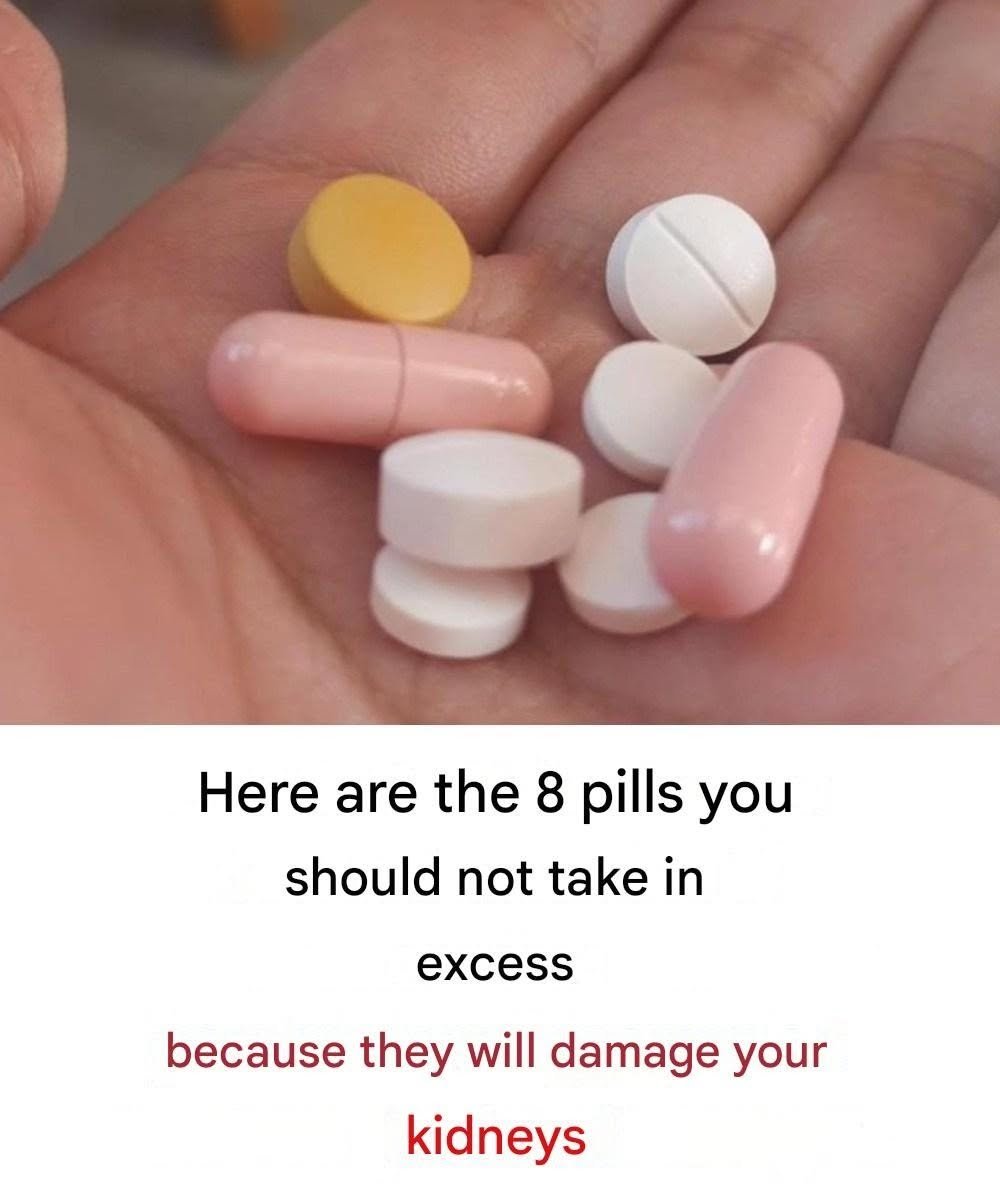
That recurring warning headline cuts right to an essential medical reality: because your kidneys process roughly 200 quarts of blood every day to filter out waste, they are intensely vulnerable to chemical stress. When medications are taken improperly, in excessive doses, or combined with dehydration, they can restrict renal blood flow or directly damage filtering cells.
To give you the complete picture of what pharmacists and nephrologists flag, here is a consolidated rundown of the specific pharmaceutical categories that commonly carry risks for kidney strain:
The 8 Key Medication Categories Linked to Kidney Strain
-
Over-the-Counter NSAIDs (Pain Relievers):
-
Common Examples: Ibuprofen (Advil, Motrin), naproxen (Aleve), and high-dose aspirin.
-
The Mechanism: They block prostaglandins, which normally keep the blood vessels supplying the kidneys dilated. Constricting these vessels reduces vital blood flow, risking acute kidney injury—especially during dehydration.
-
-
Proton Pump Inhibitors (PPIs for Acid Reflux):
-
Common Examples: Omeprazole (Prilosec), lansoprazole (Prevacid).
-
The Mechanism: Chronic, long-term daily use has been linked in clinical studies to an increased risk of acute interstitial nephritis (kidney inflammation) and progressive decline in renal function.
-
-
Certain Heavy-Duty Antibiotics:
-
Common Examples: Aminoglycosides (like gentamicin) and vancomycin.
-
The Mechanism: Administered primarily in clinical settings for severe bacterial infections, these can accumulate in the renal tubules and cause direct cellular toxicity if blood levels aren’t closely monitored.
-
-
Blood Pressure Drugs under Dehydration Conditions (ACE Inhibitors & ARBs):
-
Common Examples: Lisinopril, losartan.
-
The Mechanism: While generally protective for chronic kidney disease by managing pressure, continuing them unmonitored during an acute illness with severe fluid loss or vomiting can precipitate sudden kidney stress.
-
-
Diuretics (Water Pills):
-
Common Examples: Furosemide (Lasix), hydrochlorothiazide.
-
The Mechanism: While necessary for fluid overload, aggressive or unmonitored use can deplete blood volume and cause dehydration, starving the kidneys of the perfusion pressure they need.
-
-
Lithium (Mood Stabilizer):
-
Common Examples: Lithobid.
-
The Mechanism: Long-term therapy requires strict blood testing because it can gradually impact the kidneys’ ability to concentrate urine, occasionally leading to chronic interstitial nephritis over years of use.
-
-
Intravenous Contrast Dyes:
-
Common Examples: Iodinated agents used in CT scans or angiograms.
-
The Mechanism: While not a daily pill, these diagnostic liquids can cause temporary, sharp decreases in filtration rates, particularly in patients with pre-existing vulnerability.
-
-
Certain Antiviral and Specialized Medications:
-
Common Examples: Acyclovir or specific anti-rejection drugs (like tacrolimus or cyclosporine).
-
The Mechanism: Some antivirals can precipitate un-dissolved microscopic crystals that physically block the tiny filtering tubules inside the organ, while transplant medications can constrict local blood vessels.
-
Protecting Your Renal Filtration
Medication safety is all about context: many of these drugs are life-saving or medically necessary when managed correctly. The ultimate safeguards are simple—stay exceptionally well-hydrated, avoid chronic reliance on casual over-the-counter painkillers, and always review your complete medication list with a physician or pharmacist to ensure your filtration system is protected.
Are you auditing a medicine cabinet right now, or looking into specific ways to support kidney health as you age?
