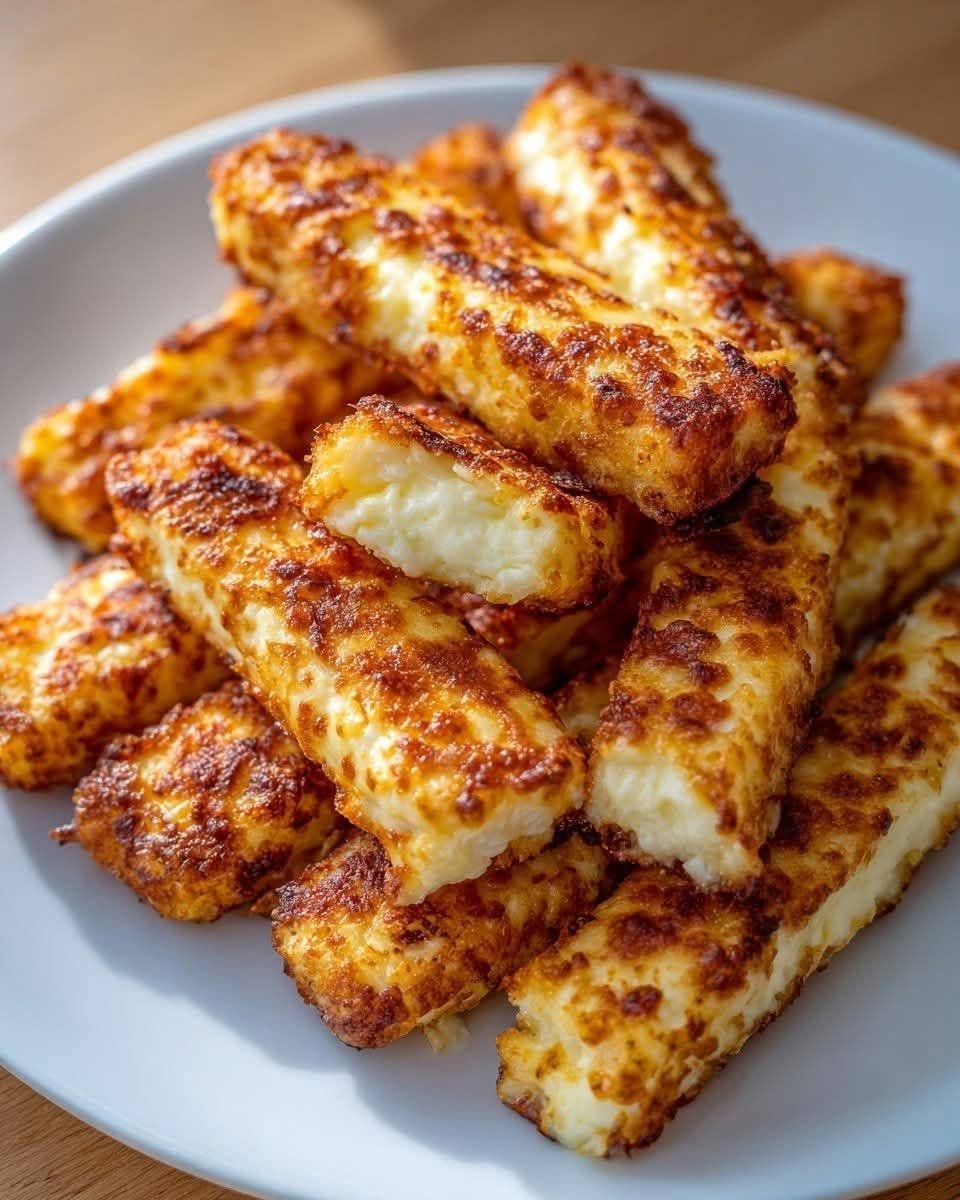
That focus—Low-Carb, High-Protein Snacking—brings us right out of the world of internet scare tactics and into the practical, everyday mechanics of metabolic fuel and satiety.
When people shift toward low-carb, high-protein eating, snacks often become the trickiest hurdle. Traditional snack foods (chips, crackers, pretzels, baked goods) are engineered to be hyper-palatable delivery systems for fast-acting carbohydrates that spike blood sugar and leave you hungry an hour later.
Transitioning to high-protein, low-carb snacking changes the entire hormonal and biochemical conversation in your body. Here is what is happening physiologically when you swap carbs for protein, along with some science-backed, satisfying snack ideas:
The Biology of Protein-Powered Satiety
-
The Satiety Hormones (Peptide YY and GLP-1):
-
The Science: When you consume high-protein foods, specialized cells in your small intestine release powerful satiety hormones—specifically peptide YY (PYY) and glucagon-like peptide-1 (GLP-1)—while simultaneously suppressing ghrelin (the “hunger hormone”). This biological double-whammy signals to your brain that you are genuinely full, preventing the mindless grazing associated with carb-heavy snacks.
-
-
The Thermic Effect of Food (TEF):
-
The Physics: Not all calories are processed equally by the body. Carbohydrates require about 5% to 15% of their energy just to digest and metabolize, and fats require about 0% to 3%. Protein, however, has a thermic effect of 20% to 30%. This means your body expends nearly a third of the calories contained in that protein just breaking it down and processing the amino acids.
-
-
Blood Sugar Stability:
-
The Biochemistry: Without the roller-coaster spike and crash of glucose and insulin that comes from grabbing a handful of crackers, a protein-dense snack keeps your blood sugar flat and steady. This prevents the sudden energy slumps and frantic carb cravings that usually hit mid-afternoon.
-
Science-Backed, Real-Food Snack Ideas
Instead of ultra-processed “keto protein bars” packed with mystery sugar alcohols, focusing on whole-food protein sources delivers maximum nutrition with minimal carbohydrate interference:
-
Hard-Boiled Eggs with Everything Bagel Seasoning:
-
The Breakdown: ~6g of protein per egg, virtually zero carbs. Packed with choline for brain health and complete amino acids.
-
-
Greek Yogurt or Cottage Cheese (Plain):
-
The Breakdown: A single cup of plain, low-fat cottage cheese delivers around 24 to 28g of protein for only about 6g of natural milk carbohydrates (lactose). Add a dash of cinnamon or savory herbs instead of fruit.
-
-
Biltong or Traditional Beef Jerky (Sugar-Free):
-
The Breakdown: Unlike heavily sweetened American jerkies that are loaded with brown sugar and corn syrup, biltong is air-dried and cured with vinegar and spices, offering massive protein density with zero carbohydrates.
-
-
Roasted Pumpkin Seeds (Pepitas) or Edamame:
-
The Breakdown: For a plant-based crunch, dry-roasted edamame or pumpkin seeds deliver a phenomenal punch of protein, fiber, and healthy fats without the heavy carbohydrate load of traditional nuts or grains.
-
-
Canned Tuna or Salmon on Cucumber Slices:
-
The Breakdown: A quick packet of tuna mixed with a little mustard or Greek yogurt served on thick-cut cucumber rounds gives you lean protein, Omega-3 fatty acids, and a satisfying crunch with almost zero carbs.
-
The Takeaway
Low-carb, high-protein snacking isn’t about starving yourself or eating tasteless cardboard; it is about working with your body’s hormonal feedback loops. By giving your gut the protein it needs to trigger satiety hormones, you completely eliminate the biological drive to overeat.
Are you looking to revamp your afternoon snack routine for sustained energy, or targeting a specific fitness or weight-management goal?
