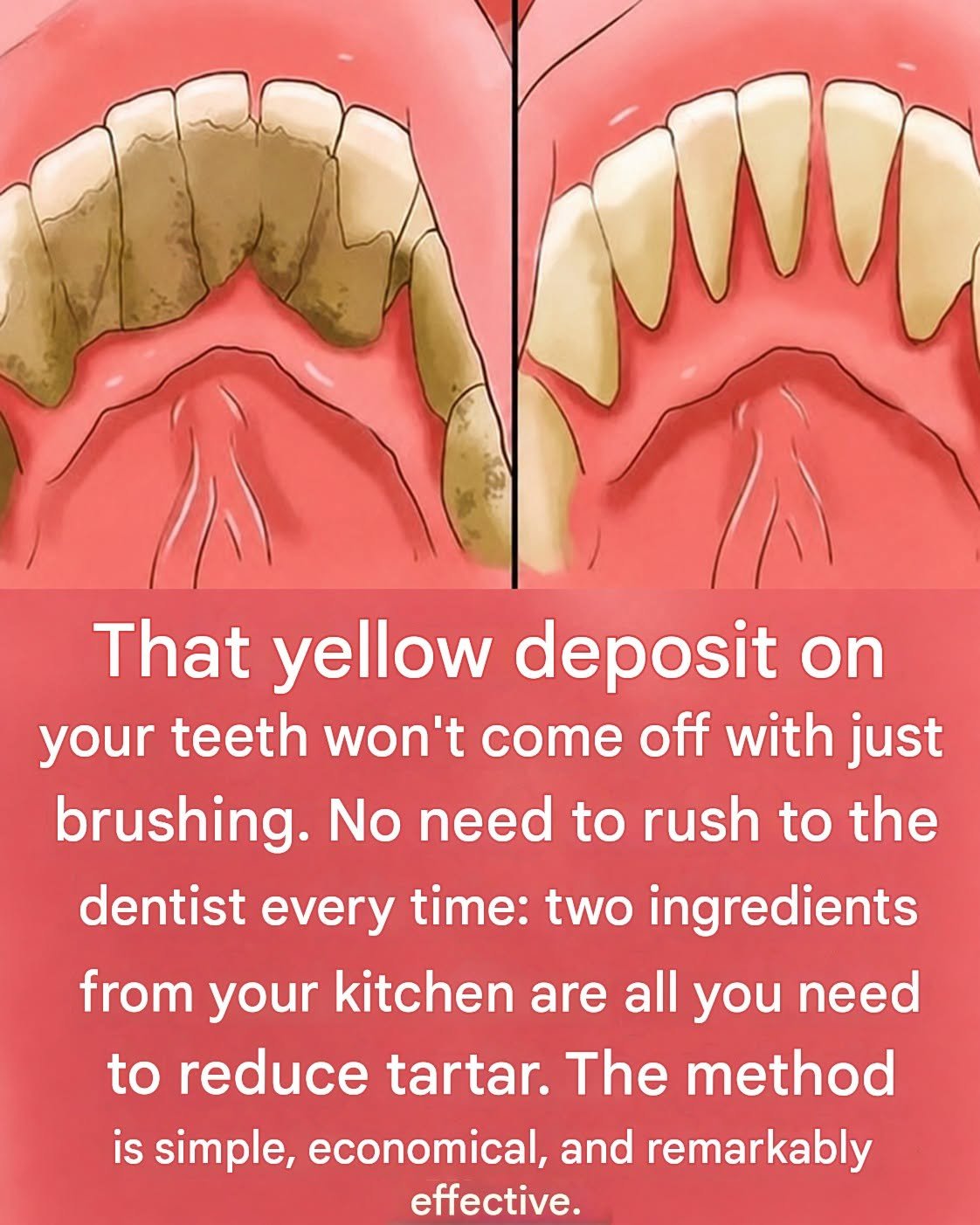
That classic viral headline—“Be your own dentist! Here are some tips for removing tartar buildup at home”—is one of the most genuinely hazardous pieces of DIY advice floating around the internet. It encourages people to grab metal dental picks, scrapers, or abrasive kitchen concoctions and go to war on their own teeth.
When you strip away the encouraging “save money on dental bills” framing and look at what periodontists and dental hygienists actually know, trying to scale your own teeth at home is a fast track to permanent dental damage.
Here is what is happening chemically and physically on your teeth, and why dental work is strictly a professional job:
The Reality Behind Plaque vs. Tartar
-
Plaque (Soft and Removable):
-
The Chemistry: Plaque is a sticky, colorless film of bacteria, food particles, and saliva that constantly forms on your teeth. Because it is soft, you can effectively remove it yourself every single day using regular brushing and flossing.
-
-
Tartar / Calculus (Rock-Hard Mineralization):
-
The Physics: If plaque isn’t brushed away within 24 to 48 hours, the minerals in your saliva react with it and calcify (harden) into tartar, also known as calculus. Tartar is essentially a rock-hard, calcium-phosphate shell fused tightly to the enamel of your teeth.
-
Why DIY Fails: Because tartar is as hard as bone, it cannot be brushed or scraped off with household tools without using excessive, dangerous force.
-
The Dangers of DIY Dental Scaling
When internet tutorials suggest using metal tools or sharp picks at home, several physical hazards come into play:
-
Enamel Gouging and Scratching: Dental instruments are designed for trained hands working with specialized mirrors and tactile feedback. Using a metal pick on yourself in a bathroom mirror usually results in slipping and gouging your tooth enamel, creating permanent scratches where bacteria can easily hide and cause decay.
-
Severe Gum Recession and Injury: The gum tissue right around your teeth is delicate. A slip of a metal scraper will easily slice through your gums, causing bleeding, severe pain, and chronic gum recession that exposes the sensitive roots of your teeth.
-
Pushing Bacteria Deeper: Scratched enamel and traumatized gums create an ideal breeding ground for bacteria, potentially turning minor plaque issues into full-blown gingivitis or periodontal disease.
The Takeaway
You can (and should) be your own preventative dentist by brushing twice a day, flossing daily, and using fluoride toothpaste to stop soft plaque from turning into tartar. But once tartar forms, it requires the ultrasonic vibrations and specialized, sterilized curettes of a professional dental hygienist to remove safely.
Are you looking for safe ways to upgrade your daily at-home dental routine, or tracking down another piece of DIY health media?
