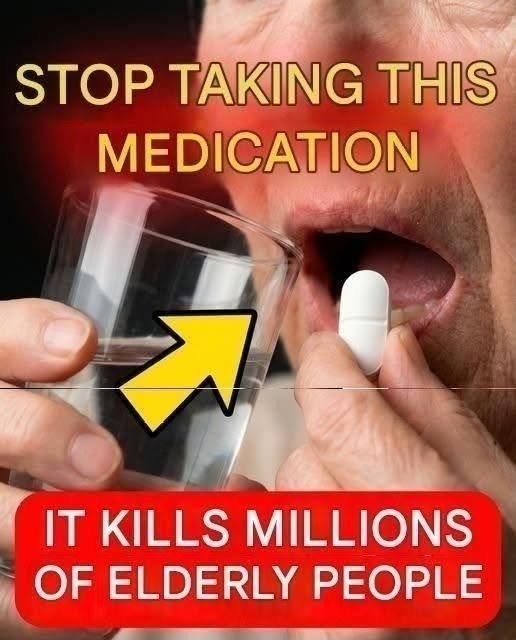
That classic headline—“A cardiologist warns: these 5 medications increase the risk of heart attack and stroke in older people”—is a textbook blend of real pharmacological fact wrapped in fear-inducing clickbait framing.
It takes legitimate, nuanced medical data about how certain drugs interact with the aging body and turns it into a sweeping scare piece designed to make seniors look at their medicine cabinets with dread.
When you strip away the sensationalism and look at what clinical pharmacologists and geriatric cardiologists actually study, the reality isn’t a secret list of forbidden pills—it is about how aging metabolism handles everyday drugs and the hidden dangers of “polypharmacy” (taking multiple medications at once).
Here is what is actually happening pharmacologically, and what those “5 medications” usually represent in clinical medicine:
Why the Aging Body Reacts Differently to Medications
As we age, our physiology naturally shifts. Kidney and liver clearance slow down, total body water decreases, and body fat composition shifts.
-
The Pharmacokinetic Shift: This means a standard dose of a medication that was entirely safe at age 40 can linger longer, accumulate in the bloodstream, or exert a stronger physiological effect at age 75.
-
The Polypharmacy Problem: Major pharmacoepidemiology studies (such as those from health policy research centers) show that the real cardiovascular danger for older adults rarely comes from a single pill taken in isolation. Instead, it comes from concurrently taking multiple medications that each carry minor cardiovascular side effects—such as combining regular over-the-counter anti-inflammatories with certain blood pressure or nerve medications—which can double or triple the risk of a major cardiac event over time.
The 5 Common Culprits Behind the Warnings
While internet lists vary, medical warnings regarding older adults and cardiovascular strain typically center on a few well-known drug classes:
-
Nonsteroidal Anti-Inflammatory Drugs (NSAIDs):
-
The Risk: Everyday painkillers like ibuprofen or naproxen are bought over the counter as if they were candy. However, regular use in older adults causes the kidneys to retain sodium and water, spikes blood pressure, increases systemic vascular resistance, and carries a recognized black-box warning for cardiovascular events.
-
-
Certain Decongestants:
-
The Risk: Ingredients like pseudoephedrine found in cold and allergy remedies work by vasoconstriction (narrowing blood vessels). In an older adult—especially someone with pre-existing hypertension—this can rapidly spike blood pressure and trigger arrhythmias.
-
-
Certain Antacids and Acid Reflux Meds (PPIs):
-
The Risk: Long-term use of proton pump inhibitors can alter mineral absorption (like magnesium), which, in a compromised cardiac system, can occasionally predispose individuals to rhythm irregularities.
-
-
Older-Generation Diabetes or Central Nervous System Drugs:
-
The Risk: Certain older formulations of diabetes drugs or heavy sedatives/antipsychotics can place unexpected metabolic stress on the heart or lead to heavy sedation and dangerous drops in activity levels.
-
-
Stimulants and Certain Specialty Medications:
-
The Risk: Prescription stimulants (like those for ADHD) or specific targeted therapies can elevate resting heart rate and blood pressure, requiring careful monitoring in aging hearts.
-
The Clinical Takeaway
You don’t need to panic or throw your prescriptions into the trash based on an internet warning. The real takeaway from clinical geriatrics is the importance of a “brown bag medication review”—bringing every single pill, vitamin, and over-the-counter painkiller you take to your primary care physician or geriatrician to ensure they aren’t quietly working against each other.
Are you or a loved one reviewing a complex medication schedule with a doctor, or tracking down another piece of health media?
