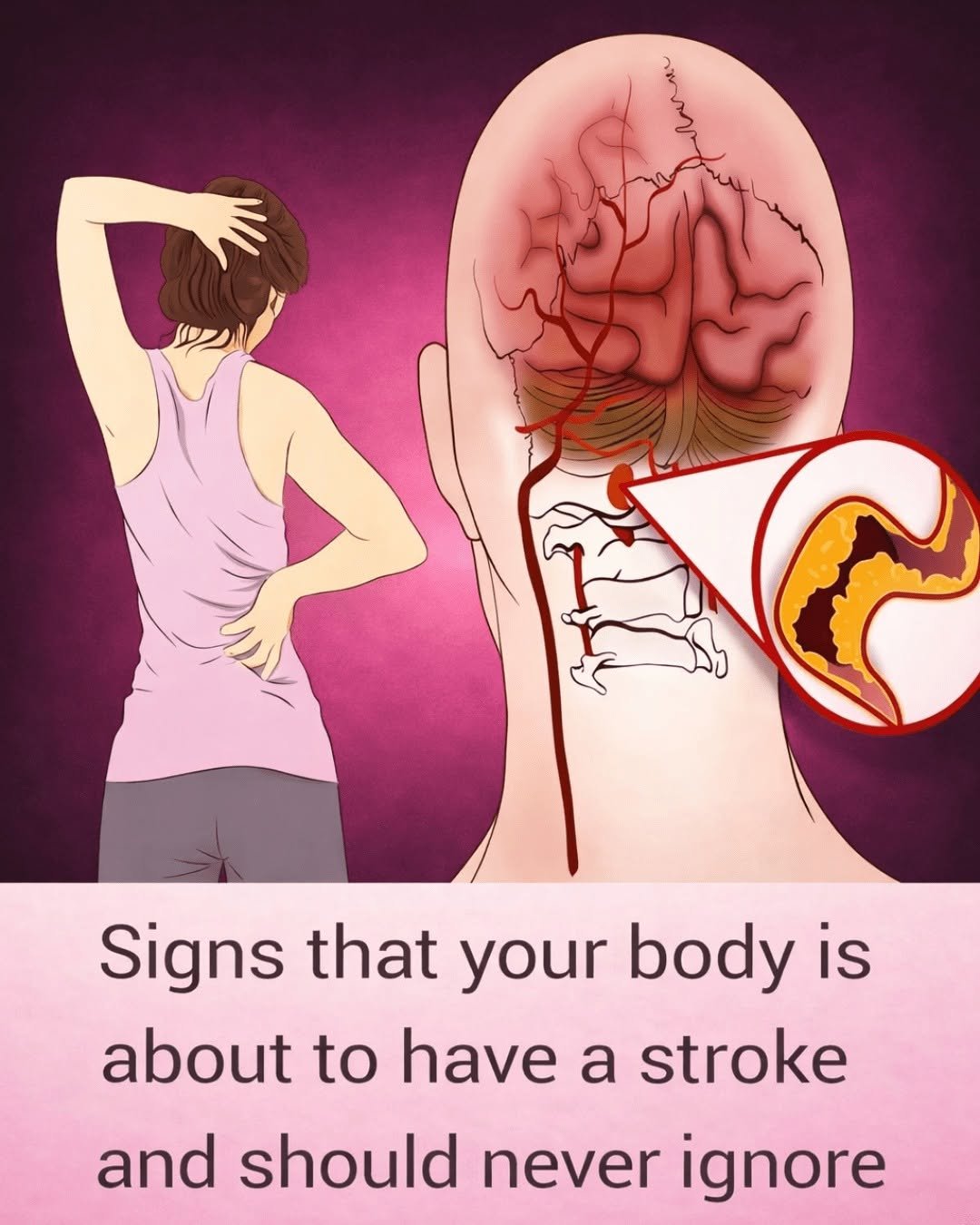
That classic medical clickbait headline—“10 Early Warning Signs of a Stroke Everyone Should Know to Take Prompt Action”—uses a familiar formula: it takes a terrifying, high-stakes medical emergency and packages it like a general interest slideshow to grab your attention.
When you strip away the sensationalist formatting and look at acute neurology and emergency medicine, the reality is clear: Recognizing a stroke is not an internet trivia game or a secret list of vague hints; it is a matter of identifying acute neurological deficits that demand immediate 911 dispatch.
Here is what is actually happening in the brain during a stroke, and what medical professionals look for when seconds count:
The Physiology: What Happens During a Stroke?
To understand the warning signs, you have to look at the brain’s blood supply:
-
Ischemic vs. Hemorrhagic: About 87% of strokes are ischemic, meaning a blood clot blocks a blood vessel supplying oxygen and nutrients to a region of the brain. The remaining 13% are hemorrhagic, caused by a blood vessel bursting within or around the brain.
-
The “Time is Brain” Reality: When a part of the brain is deprived of blood flow, brain cells begin to die at a staggering rate. Recognizing the signs early allows emergency medical teams to administer clot-busting drugs (like tPA) or perform mechanical thrombectomies to restore blood flow and minimize permanent disability.
The Recognized Clinical Signs (Beyond the Listicles)
Instead of sorting through a confusing list of ten random or overlapping symptoms, neurologists and emergency physicians rely on rapid, validated screening tools—most notably FAST and its expanded version, BE FAST:
-
B – Balance: Sudden dizziness, loss of balance, or coordination difficulties.
-
E – Eyes: Sudden trouble seeing in one or both eyes, or sudden double vision.
-
F – Face Drooping: Does one side of the face droop or feel numb? If the person smiles, is it uneven?
-
A – Arm Weakness: Is one arm weak or numb? If they try to raise both arms, does one drift downward?
-
S – Speech Difficulty: Is speech slurred, are they unable to speak, or are they confused when trying to form simple sentences?
-
T – Time to Call Emergency Services: If any of these symptoms appear suddenly, do not wait to see if they pass. Note the exact time the symptoms started and call emergency services immediately.
Other Acute Warning Signs:
Depending on which area of the brain is affected, a stroke can also cause a sudden, severe headache with no known cause, or sudden confusion and disorientation.
The Clinical Takeaway
A stroke is an urgent medical emergency that requires immediate professional intervention—not internet research or self-diagnosis. Keeping the core signs clear and unforgettable saves lives far better than a bloated 10-item listicle ever could.
Are you evaluating sudden symptoms right now, or tracking down another piece of health media?
