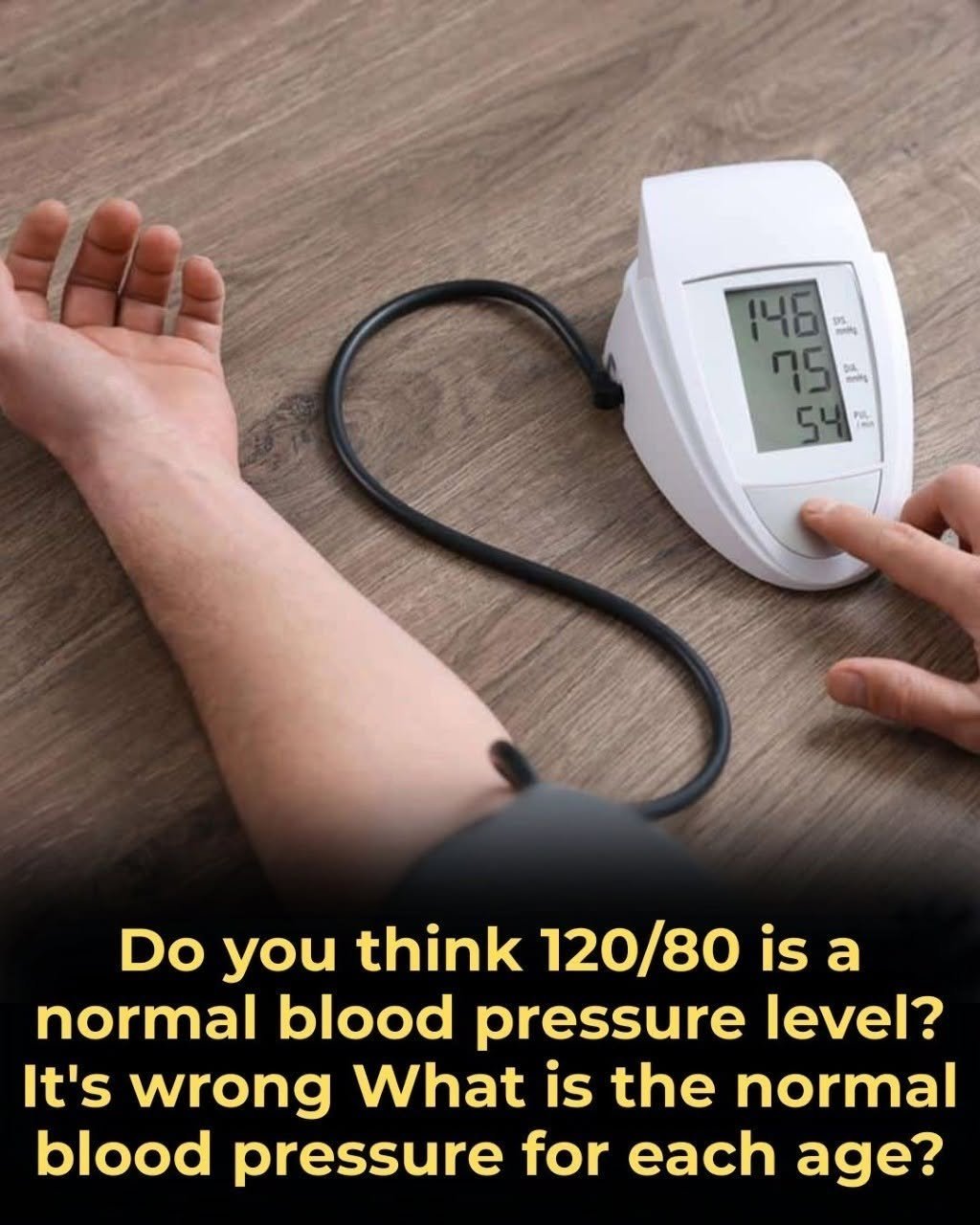
When looking at blood pressure across different ages, there is an important distinction to make between what is medically recommended (the target goal) and what is statistically average as people get older.
While older adults naturally experience a rise in average blood pressure due to arterial stiffening, major medical guidelines (such as those from the American Heart Association) emphasize that the healthy target range remains the same for all adults.
1. Adult Blood Pressure Categories (Ages 18 and Older)
For any adult, regardless of age or gender, current medical guidelines categorize blood pressure readings as follows:
| Category | Systolic (Top Number) | Diastolic (Bottom Number) | |
| Normal | Less than 120 | and | Less than 80 |
| Elevated | 120–129 | and | Less than 80 |
| Stage 1 Hypertension | 130–139 | or | 80–89 |
| Stage 2 Hypertension | 140 or higher | or | 90 or higher |
2. Average Blood Pressure by Age Group (What’s Typical vs. Ideal)
While below 120/80 mmHg is the gold standard target for everyone, population studies show that average blood pressure naturally drifts upward as we age:
-
Young Adults (Ages 18 to 39): Average readings hover around 110/70 to 120/75 mmHg. Most individuals in this bracket easily fall into the normal range, though routine checks are essential to catch early upward trends.
-
Middle Age (Ages 40 to 59): Average readings tend to drift closer to 122/74 to 126/80 mmHg. Hormonal shifts, lifestyle factors, and gradual changes in blood vessel elasticity often begin pushing numbers into the elevated or Stage 1 range during these decades.
-
Older Adults (Ages 60 and Beyond): Average readings often reach 130 to 140 mmHg (systolic). It is very common for older adults to experience “isolated systolic hypertension”—where the top number climbs while the bottom number stays flat or drops. Even though this is common, a reading consistently at or above 130/80 mmHg still warrants attention and management to protect heart and kidney health.
3. Children and Adolescents
Unlike adults, children do not have a single fixed cutoff. Normal blood pressure for children (ages 1 to 17) depends heavily on age, height, and sex:
-
Young Children: Naturally much lower; a normal reading might look closer to 95/60 mmHg.
-
Adolescents (Ages 13–18): Readings typically range between 110/70 and 120/80 mmHg, transitioning into adult guidelines by late adolescence.
The Takeaway: Just because blood pressure averages tend to rise as people get older doesn’t mean high numbers are “normal” or safe to ignore. Keeping your readings as close to the optimal below 120/80 mmHg range as possible significantly reduces your long-term risk for stroke, heart disease, and kidney trouble.
Are you looking at your own recent home blood pressure log, or tracking readings for a family member?
