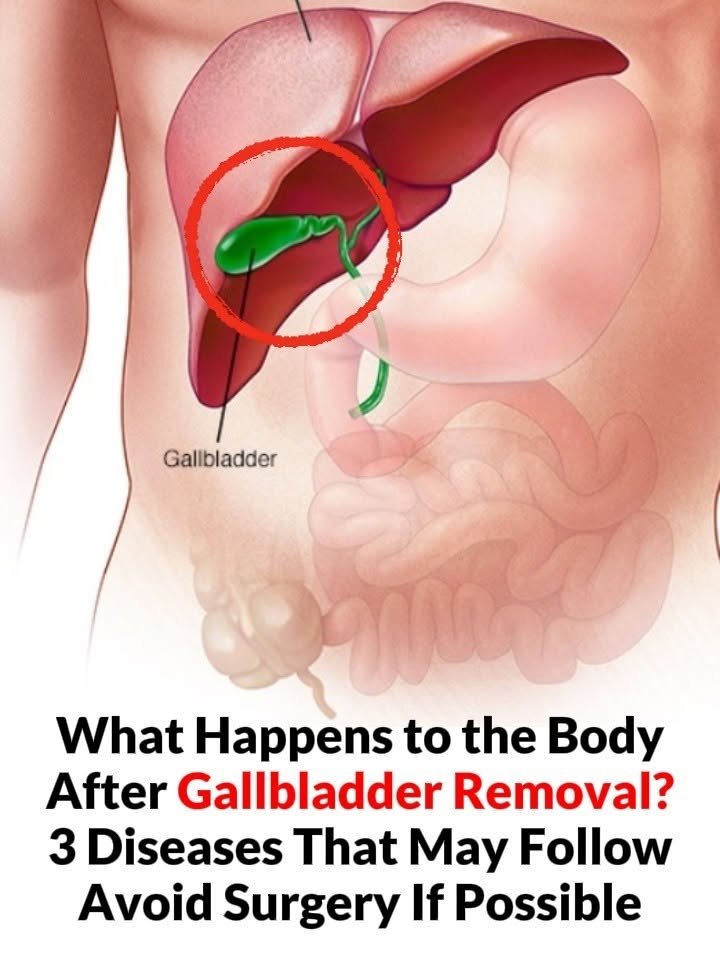
That headline is a masterclass in medical fear-mongering. It pairs a common, routine surgical procedure (cholecystectomy, or gallbladder removal) with a terrifying warning about “diseases that may follow” and a bold directive to “avoid surgery if possible.”
For someone experiencing agonizing gallbladder attacks or gallstones, reading that headline can induce pure panic, making them feel like trading one medical problem for a lifetime of chronic illness.
Here is the realistic, evidence-based truth about life after gallbladder removal, stripping away the clickbait dread:
1. What Does the Gallbladder Actually Do?
-
The Function: Your gallbladder is a small, pear-shaped organ that sits just under your liver. Its primary job is to store and concentrate bile—a digestive fluid produced by the liver that helps break down dietary fats.
-
The Reality: The gallbladder is not a vital organ like the heart or kidneys. When it becomes chronically inflamed, blocked by stones, or infected (cholecystitis), it stops working properly and becomes a dangerous ticking time bomb. Removing it relieves immense pain and prevents life-threatening complications like a ruptured gallbladder or severe pancreatitis.
2. What Actually Happens to the Body After Removal?
-
The Bile Shift: Once the gallbladder is gone, your liver doesn’t stop producing bile; it just drips continuously directly into your small intestine rather than being stored and released in concentrated bursts when you eat a fatty meal.
-
Temporary Adjustment Period: During the first few weeks after surgery, some people experience mild digestive changes—most commonly loose stools, diarrhea, or bloating—because the digestive tract has to adapt to a steady, un-concentrated flow of bile. For the vast majority of patients, these symptoms resolve entirely within a few weeks or months as the body adjusts.
3. Debunking the “3 Diseases That May Follow” Clickbait Myth
Sensationalized articles love to link gallbladder removal to catastrophic long-term diseases. In clinical reality:
-
Post-Cholecystectomy Syndrome (PCS): Some articles list this as a “disease,” but it is actually a blanket term for persistent digestive symptoms (like upper abdominal pain or indigestion) that continue after surgery. This usually happens because the original symptoms weren’t actually coming from the gallbladder in the first place, or because of a retained small gallstone in the bile duct—not because the organ was removed.
-
Fat Malabsorption / Diarrhea: While some individuals have chronic, mild digestive sensitivities to very greasy foods long-term, this is managed easily with minor dietary adjustments or bile acid sequestrants if necessary—it is not a degenerative disease.
-
The “Avoid Surgery” Danger: Telling people to avoid necessary gallbladder surgery is medically reckless. Leaving a chronically diseased or obstructed gallbladder in place can lead to gangrene of the gallbladder, severe sepsis, or fatal bile duct blockages.
4. How to Navigate Life Without a Gallbladder
-
Ease Back into Fats: In the immediate post-surgery recovery period, eating massive, greasy, deep-fried meals can overwhelm your digestive system because your body is adjusting to continuous bile flow. Eating smaller, more frequent meals containing moderate, healthy fats helps your system adapt smoothly.
-
Listen to Your Surgeons: Modern laparoscopic gallbladder removal is one of the safest, most routine operations performed today.
The Takeaway: Your body functions just fine without a gallbladder. While adjusting to life post-surgery requires a little mindful eating at first, removing a diseased organ is a standard, life-improving procedure—not a sentence to chronic illness.
Are you or someone you know currently weighing the decision of whether to move forward with gallbladder surgery?
