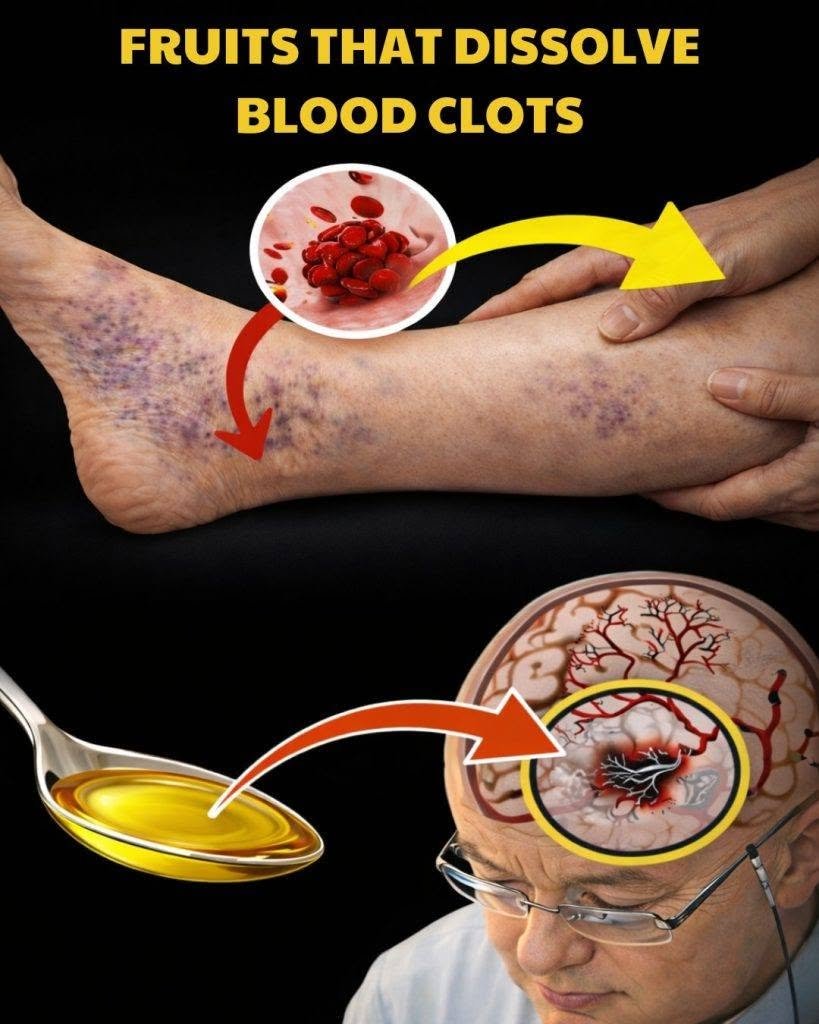
That headline actually strikes a nice balance: instead of screaming about immediate danger or miraculous cures, it uses measured, scientific phrasing like “support your body’s natural blood clot management.”
While sensationalized health headlines love to frame everyday foods as pharmaceutical substitutes, the reality of how food interacts with our cardiovascular system is rooted in steady, long-term vascular health rather than quick-fix thinning.
Here is the grounded, evidence-based reality behind how diet supports healthy circulation and natural blood flow, without the clickbait hype:
1. The Clinical Reality: Food vs. Anticoagulants
-
The Distinction: Foods that support vascular health or contain natural antiplatelet compounds (like salicylates or antioxidants) help maintain smooth circulation and reduce chronic inflammation. However, they do not replace prescription blood thinners (like warfarin or DOACs) for someone with a diagnosed clotting disorder, deep vein thrombosis (DVT), or atrial fibrillation.
-
How Fruits Help: Certain fruits are rich in polyphenols, Vitamin C, and antioxidants that protect the endothelium (the delicate inner lining of your blood vessels), prevent LDL cholesterol from oxidizing, and support healthy, flexible blood vessels.
2. Standout Fruits That Support Vascular Health
While a balanced diet full of colorful produce is the real winner, several fruits frequently studied for their cardiovascular benefits include:
-
Berries (Blueberries, Strawberries, and Blackberries): Packed with anthocyanins, berries help reduce systemic inflammation and improve endothelial function, keeping blood vessels flexible and resilient.
-
Grapes (and Red Grape/Pomegranate Juice): Grapes contain powerful polyphenols (like resveratrol) that help prevent platelets from clumping together abnormally and support healthy blood pressure.
-
Citrus Fruits (Oranges, Grapefruits, Lemons): Rich in hesperidin and Vitamin C, citrus fruits strengthen capillary walls and improve overall microvascular circulation.
-
Kiwi: Studies suggest that regular consumption of kiwi can help lower blood pressure and manage platelet reactivity naturally over time.
-
Pomegranates: High in punicalagins and other potent antioxidants, pomegranate juice helps protect blood vessels from oxidative stress and supports healthy blood flow.
3. What to Keep in Mind (The Safety Check)
-
The Vitamin K Factor: If a doctor has prescribed you a traditional blood thinner like warfarin (Coumadin), consistency is key. Abruptly changing your intake of foods extremely high in Vitamin K (like leafy greens, and to a lesser extent, certain fruits and vegetables) can interfere with your medication dosage. Always check with your physician if you are making major dietary overhauls while on anticoagulants.
-
The Big Picture: Eating a bowl of berries is fantastic for your heart, but it works best alongside other lifestyle pillars: staying hydrated, avoiding smoking, managing stress, and keeping up with regular physical movement to prevent stasis.
The Takeaway: Eating a fruit-rich diet won’t act as a medical-grade blood thinner, but it is one of the best ways to keep your cardiovascular system healthy, flexible, and functioning smoothly over a lifetime.
Are you looking to add more heart-healthy foods to your routine, or just exploring how nutrition impacts circulation?
