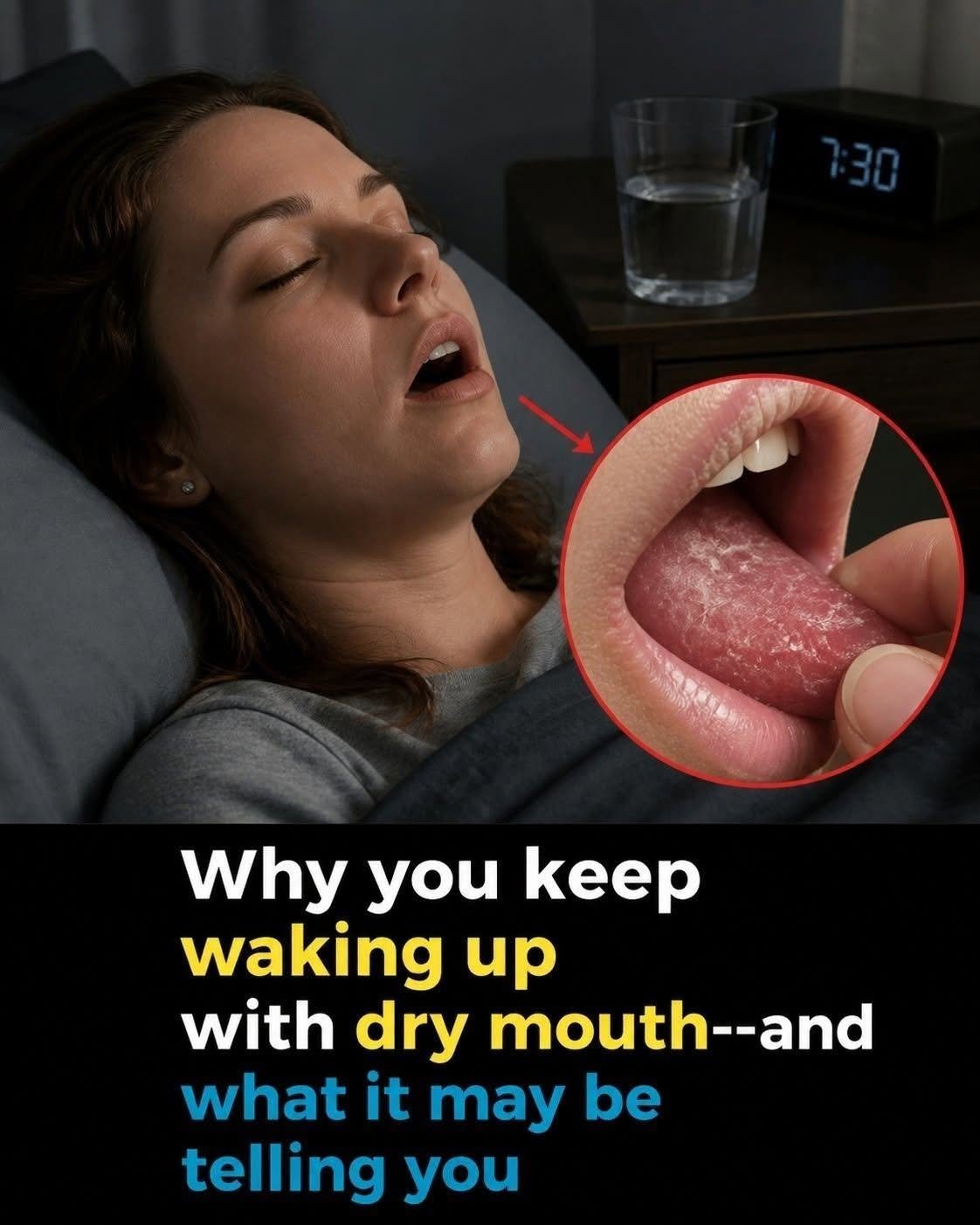
1. The Physiology of Nocturnal Xerostomia
-
Circadian Rhythms of Salivary Glands: Saliva production is not constant throughout a 24-hour cycle. It is heavily regulated by your circadian rhythm, meaning your parotid, submandibular, and sublingual glands naturally throttle down production significantly during sleep. This normal physiological drop protects you from drooling excessively while resting, but it also leaves your oral cavity vulnerable if any other drying factor is introduced.
-
The Protective Role of Saliva at Night: Even in small amounts, nighttime saliva is critical. It contains calcium, phosphate, and fluoride ions that remineralize tooth enamel, as well as antimicrobial proteins (like lysozyme and IgA) that keep opportunistic bacteria in check. When your mouth dries out completely overnight, you lose that protective shield, which is why chronic morning dry mouth frequently correlates with an increased risk of dental caries and gum irritation.
2. Comprehensive Breakdown of Underlying Triggers
-
Upper Airway Resistance and Obstructive Sleep Apnea (OSA): Beyond simple nasal congestion, chronic mouth breathing during sleep is a hallmark of mild-to-moderate OSA or upper airway resistance syndrome. When the airway collapses slightly during sleep, the body forces air through the oral cavity at high velocities, acting like a convection oven that bakes away mucosal moisture within hours.
-
Polypharmacy and Pharmacokinetics: The timing of your medication regimen matters intensely. Taking anticholinergic drugs, tricyclic antidepressants, or certain antihypertensives in the evening ensures that their peak plasma concentration coincides with your sleeping hours, crippling your salivary glands precisely when they are already functioning at a reduced capacity.
-
Systemic and Autoimmune Conditions: While rare for a simple morning parched throat, persistent daytime and nighttime dry mouth can occasionally point toward systemic conditions like Sjögren’s syndrome, uncontrolled diabetes (where osmotic diuresis depletes total body water), or chronic mouth breathing secondary to untreated nasal polyps.
3. Actionable Mitigation and Remediation Strategies
-
Optimizing Nasal Patency: Incorporating mechanical aids like nasal dilators, hypoallergenic adhesive strips, or saline rinses before bed can significantly reduce airway resistance and encourage nasal breathing, bypassing the mouth-drying effect entirely.
-
Targeted Salivary Stimulants and Substitutes: For persistent cases resistant to humidification and hydration, over-the-counter bioselective mouthwashes, xylitol-based lozenges, or artificial saliva gels containing carboxymethylcellulose can coat the oral mucosa, providing hours of sustained moisture without disrupting gastric chemistry.
-
Hydration Timing Protocols: Shifting the bulk of your daily fluid intake earlier into the evening—rather than chugging a large volume right before bed, which disrupts sleep architecture via nocturia—helps maintain systemic hydration balance throughout the night.
The Takeaway: While waking up with a dry mouth is frequently nothing more than the mechanical byproduct of mouth breathing or a medication side effect, understanding its physiological roots allows you to protect your dental enamel and restore restful, comfortable sleep.
Are you looking to address persistent morning dryness, or trying to evaluate how evening medications might be impacting your nighttime comfort?
