That headline knows exactly what it is doing. By promising a future where you never have to undergo the dreaded prep, sedation, and invasiveness of a traditional colonoscopy, it targets a universal medical anxiety to guarantee a click.
While medical technology is indeed advancing, the claim that a colonoscopy will “no longer be invasive” is a classic internet exaggeration. It confuses a screening tool with a therapeutic procedure.
Here is the grounded, clinical reality behind these “new methods” and why the traditional colonoscopy isn’t going anywhere just yet:
1. The Kernel of Truth: Non-Invasive Screening
The headline is likely referencing recent advancements in non-invasive colon cancer screening. These are fantastic tools for average-risk patients, but they are not new, and they don’t do the same job as a colonoscopy:
-
Stool DNA Tests (like Cologuard): You provide a stool sample at home, and a lab checks it for hidden blood and altered DNA associated with colon cancer or large polyps.
-
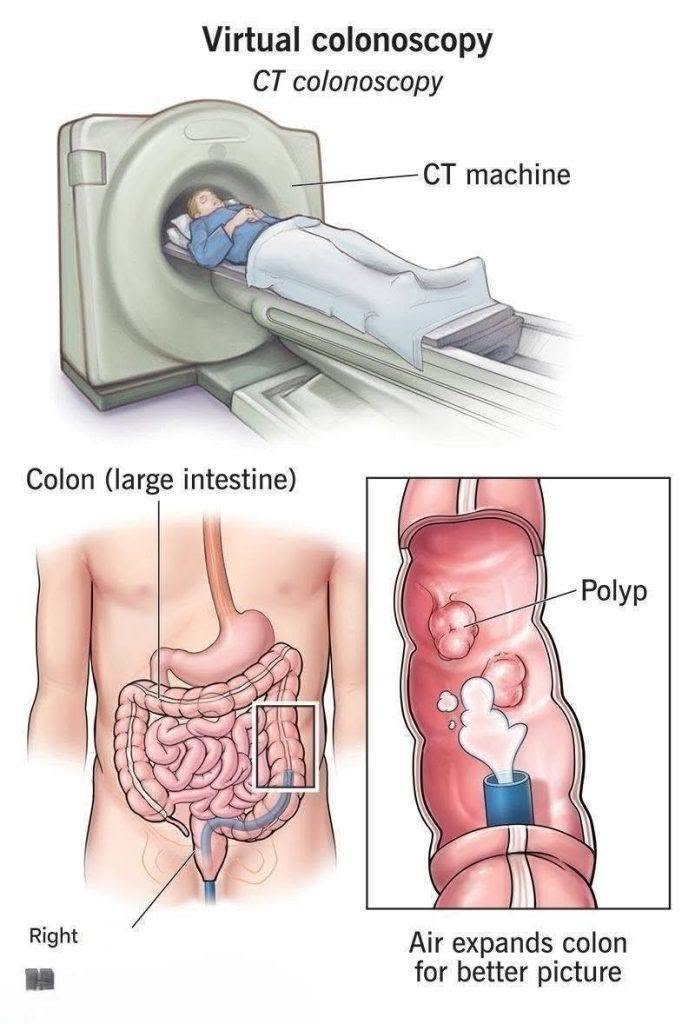
Virtual Colonoscopies (CT Colonography): A CT scan creates a 3D image of your colon. It is less invasive, though it still requires the dreaded bowel prep to clear out the colon for a good picture.
-
Capsule Endoscopy (The “Pill Camera”): You swallow a pill-sized camera that takes thousands of pictures as it travels through your digestive tract. (Though this is still primarily used for the small intestine, which standard scopes can’t easily reach).
2. The Big Catch: Looking vs. Fixing
Here is why the headline is fundamentally misleading: non-invasive tests can only look; they cannot touch.
A traditional, invasive colonoscopy is the only procedure that is both diagnostic and therapeutic. If a gastroenterologist sees a precancerous polyp during a traditional scope, they can instantly snip it off, effectively preventing cancer before it starts.
If a Cologuard test, a virtual scan, or a pill camera detects an abnormality, the very next step is… you still have to get a traditional, invasive colonoscopy to remove it or biopsy it.
3. The Clinical Standard
For high-risk individuals (those with a family history of colon cancer, inflammatory bowel disease, or past polyps), non-invasive methods are generally not recommended. The traditional scope remains the gold standard because it allows doctors to inspect the tissue up close and intervene immediately.
The Takeaway: Non-invasive tests are a wonderful, life-saving stepping stone for people hesitant to get screened, but they cannot replace the polyp-removing power of a traditional colonoscopy. If a non-invasive test finds something, an invasive scope is still the necessary cure.
It looks like the algorithm gave you part one of a two-part clickbait series! Did you happen to see what specific “new method” part two was trying to sell, or did you scroll right past it?
