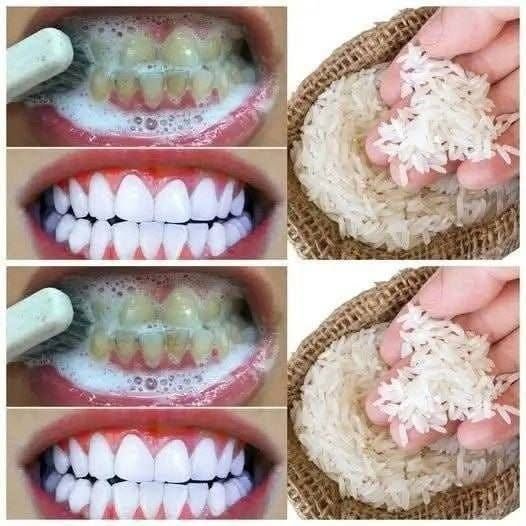
That headline is the ultimate siren song of beauty-section clickbait! Promising a miraculous transformation in “just 1 minute” using a “simple home trick” is guaranteed to rack up millions of views, usually by pushing a viral DIY concoction that sounds genius on paper but can quietly cause serious damage to your smile.
Most of those 1-minute viral hacks rely on a few aggressive kitchen ingredients. Here is the dental reality behind what those home remedies actually do to your teeth:
1. The Usual Suspects: What’s In That “Simple Trick”?
-
Baking Soda and Lemon Juice/Hydrogen Peroxide: This is the most common DIY recipe online. While baking soda is a mild abrasive, mixing it with an acid like lemon juice or undiluted hydrogen peroxide creates a chemical slurry that strips away stains very quickly—which is why it looks like it works instantly.
-
The Catch: It works fast because it is literally eating away at your enamel.
2. Why Enamel Erosion is a One-Way Street
Enamel is the hard, protective outer shell of your teeth. Unlike bones or skin, tooth enamel cannot regenerate. Once it is worn away, it’s gone for good, exposing the yellowish layer underneath called dentin. Ironically, stripping away your white enamel with abrasive acids or harsh scrubbing will eventually make your teeth look more yellow, translucent, and dramatically more sensitive to hot and cold.
3. What Actually Safely Whitens Teeth
If you want a brighter smile without destroying your dental structure, dental professionals recommend methods that target stains safely:
-
Peroxide-Based Strips or Gels: Dentist-approved whitening strips use controlled amounts of hydrogen or carbamide peroxide that gently break down stain molecules over time without stripping your enamel raw.
-
Good Mechanical Hygiene: Regular brushing with a soft-bristled toothbrush, flossing, and professional cleanings remove surface plaque and tartar that dull your teeth’s natural brightness.
The Takeaway: If a dental trick promises a 1-minute transformation using household items, it’s usually because it’s using abrasive chemicals that trade long-term enamel health for a temporary, surface-level fix.
Did you spot this trick in a video or article, or were you just hunting for a genuinely safe way to brighten up your smile?
