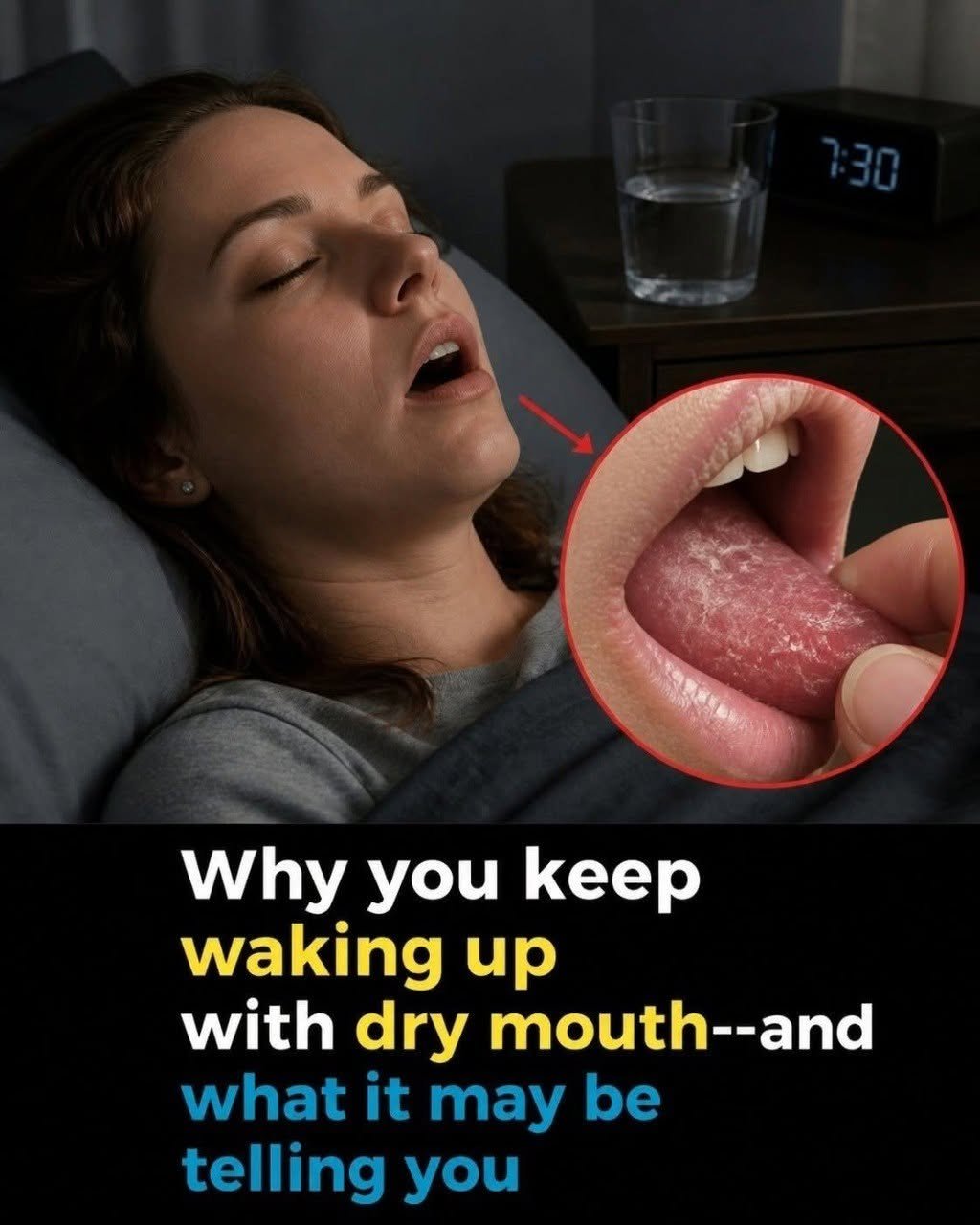
Waking Up with Dry Mouth? What Your Body Might Be Telling You
Waking up with a parched, sticky mouth—medically known as xerostomia—is more than just an annoying morning nuisance. While it is very common, persistent dry mouth is often your body’s way of signaling that something in your daily routine, environment, or health status needs attention.
Common Causes of Morning Dry Mouth
-
Mouth Breathing: If your nose is partially blocked due to allergies, a deviated septum, sinus congestion, or sleep apnea, you may breathe through your mouth all night. This airflow rapidly evaporates the saliva in your oral cavity.
-
Medication Side Effects: Hundreds of common prescription and over-the-counter medications—including antihistamines, decongestants, blood pressure drugs, antidepressants, and anxiety medications—list dry mouth as a primary side effect.
-
Dehydration: Not drinking enough water throughout the day or evening, or consuming diuretic beverages like coffee or alcohol close to bedtime, reduces your overall fluid levels, which directly impacts saliva production.
-
Aging: As people get older, natural saliva production tends to decrease, and older adults are also more likely to take multiple medications that compound the effect.
-
Lifestyle Factors: Smoking, vaping, or using tobacco products heavily can damage salivary glands and severely dry out oral tissues.
Why You Shouldn’t Ignore It
Saliva is your mouth’s natural defense mechanism. It washes away food particles, neutralizes harmful acids produced by bacteria, and helps prevent tooth decay and gum disease. When your mouth stays chronically dry, you are at a much higher risk for:
-
Frequent cavities and tooth decay (especially along the gumline)
-
Bad breath (halitosis)
-
Mouth sores, cracked lips, or a burning sensation on the tongue
-
Difficulty swallowing or speaking comfortably
Simple Ways to Find Relief
-
Hydrate Smartly: Keep a glass of water by your bed to sip on if you wake up dry, and ensure you are drinking plenty of fluids throughout the day.
-
Use a Humidifier: Running a cool-mist humidifier in your bedroom overnight adds moisture to the air, preventing your airways and mouth from drying out.
-
Breathe Through Your Nose: If nasal congestion is the culprit, try saline nasal sprays, nasal strips, or consult a doctor about underlying allergies or sleep issues.
-
Review Your Medications: If you suspect a prescription drug is causing your dry mouth, talk to your doctor. Never stop taking medication on your own, but ask if an alternative exists or if timing the dose differently helps.
-
Practise Good Oral Hygiene: Brush twice a day with fluoride toothpaste and use an alcohol-free, moisturizing mouthwash formulated specifically for dry mouth.
Note: If chronic dry mouth persists despite trying these adjustments, it is a good idea to mention it to your dentist or doctor. It can sometimes be an early indicator of underlying conditions like Sjögren’s syndrome or uncontrolled diabetes.
Do you notice that this happens every morning, or is it worse on certain nights (like after eating late or when you have allergies)?
