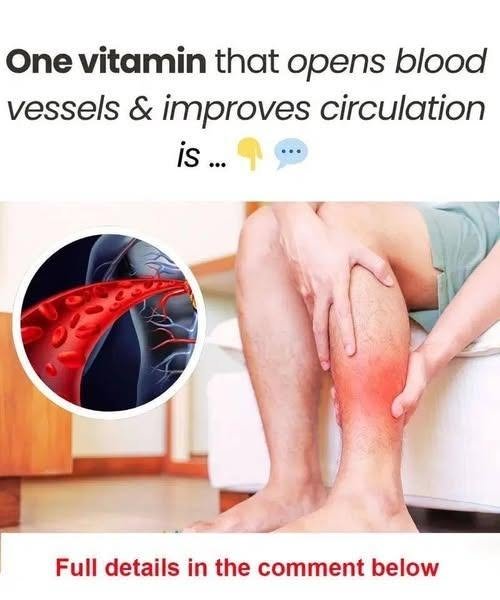
Viral ads and clickbait articles frequently promise a single “miracle vitamin” that magically opens blood vessels, flushes out arteries, and instantly cures poor circulation.
In medical science, human circulation is a complex, integrated system involving the heart, blood pressure regulation, and the elasticity of blood vessels. While no single vitamin acts as an instant pharmaceutical vasodilator or a cure-all for vascular issues, certain vitamins play essential roles in supporting healthy blood vessel function and overall cardiovascular health.
Key Vitamins That Support Vascular Health
Rather than one magic nutrient, a few specific vitamins and compounds are heavily studied for their role in keeping blood vessels flexible and promoting healthy blood flow:
-
Vitamin B3 (Niacin):
-
How it works: High pharmacological doses of niacin can cause a well-known side effect called “niacin flush,” where small blood vessels (capillaries) near the skin dilate, causing a warm, red sensation.
-
The reality: While niacin impacts cholesterol profiles and blood vessel tone, taking high-dose supplements to “open arteries” without medical supervision can cause uncomfortable side effects, liver strain, or adverse reactions. It is not a casual quick fix.
-
-
Vitamin C:
-
How it works: An essential antioxidant required for the synthesis of collagen, a structural protein that gives blood vessels their strength and elasticity.
-
The reality: Adequate Vitamin C keeps vascular walls resilient and helps protect them from oxidative damage, but taking massive megadoses won’t force blocked or narrowed blood vessels to open up.
-
-
Vitamin D:
-
How it works: Research indicates that Vitamin D receptors exist within the cardiovascular system. Healthy levels help support endothelial function (the inner lining of blood vessels that regulates dilation and constriction).
-
The reality: Deficiencies in Vitamin D are linked to stiffened blood vessels, but correcting a deficiency normalizes function rather than acting as an independent vascular stimulant.
-
-
Vitamin E:
-
How it works: Acts as an antioxidant preventing the oxidation of LDL cholesterol, which contributes to plaque buildup in arteries over time.
-
What Actually Improves Circulation?
True, lasting cardiovascular health and efficient blood flow depend on a combination of factors rather than a single pill:
-
Regular Physical Activity: Exercise forces blood vessels to expand and contract, building long-term vascular flexibility and strength.
-
Hydration: Maintaining proper fluid balance ensures blood volume is optimal for smooth flow.
-
Balanced Nutrition: Diets rich in whole foods, antioxidants, and fiber protect blood vessel linings naturally.
-
Medical Oversight: If you experience chronic poor circulation, cold extremities, or high blood pressure, these can be signs of underlying conditions like peripheral artery disease or hypertension that require professional medical diagnosis.
Safety Note: Always consult a physician before starting high-dose vitamin supplements (especially Niacin or concentrated antioxidants), as they can interact with prescription medications or cause unwanted side effects.
Are you looking into circulation support for a specific concern, or did a health headline catch your attention?
