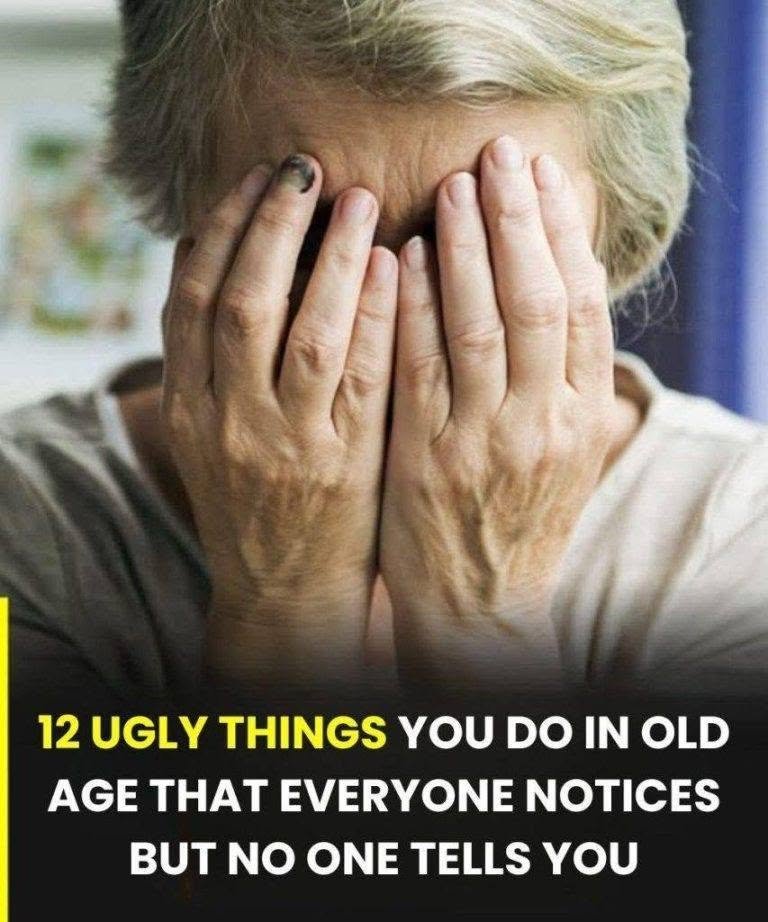
The Reality Behind “Old Age Shaming” Clickbait
Sensationalized articles or videos with titles like “12 nasty things you do in old age that everyone notices, but no one dares to tell you” are designed purely to generate clicks through fear, social anxiety, and generational friction. They capitalize on the universal human fear of aging, loss of control, and how we are perceived by others.
In reality, many of the behaviors these lists label as “nasty” or inconsiderate are not malicious habits. Instead, they are often the natural, physical, sensory, or neurological transitions of getting older that deserve empathy, understanding, and support rather than public judgment.
Why These Lists Misrepresent Aging
-
Sensory Decline (Hearing and Vision): What critics might misinterpret as stubbornness, shouting, or a lack of self-awareness is frequently age-related hearing loss. When people can’t hear the tone of their own voice, the television, or environmental sounds, their habits change naturally without them realizing it.
-
Changes in Physical Dexterity and Mobility: Conditions like severe arthritis, tremors, muscle weakness, or chronic pain can make meticulous daily grooming, housework, and precise personal hygiene physically exhausting or painful.
-
Cognitive and Neurological Shifts: Subtle changes in executive functioning, memory, or processing speed can alter how someone manages their environment or social interactions. It is a reflection of neurological health, not bad manners.
Shifting from Judgment to Compassion
When we look past the clickbait narrative, dealing with the realities of aging requires patience and dignity rather than mockery:
-
Kind, Direct Communication: If an older loved one is struggling with personal habits or home maintenance, addressing it with gentleness and respect (rather than passive-aggressive silence or gossip) protects their dignity and preserves trust.
-
Offering Practical Support: Often, lending a hand with heavy cleaning, organizing errands, or coordinating a medical check-up solves the underlying issue much faster than judgment ever could.
Tip: Aging is a universal journey that every generation eventually navigates. Approaching the changes in ourselves and our elders with patience ensures that dignity and mutual respect remain intact.
Are you noticing changes in a loved one’s habits that you’re trying to figure out how to approach respectfully?
