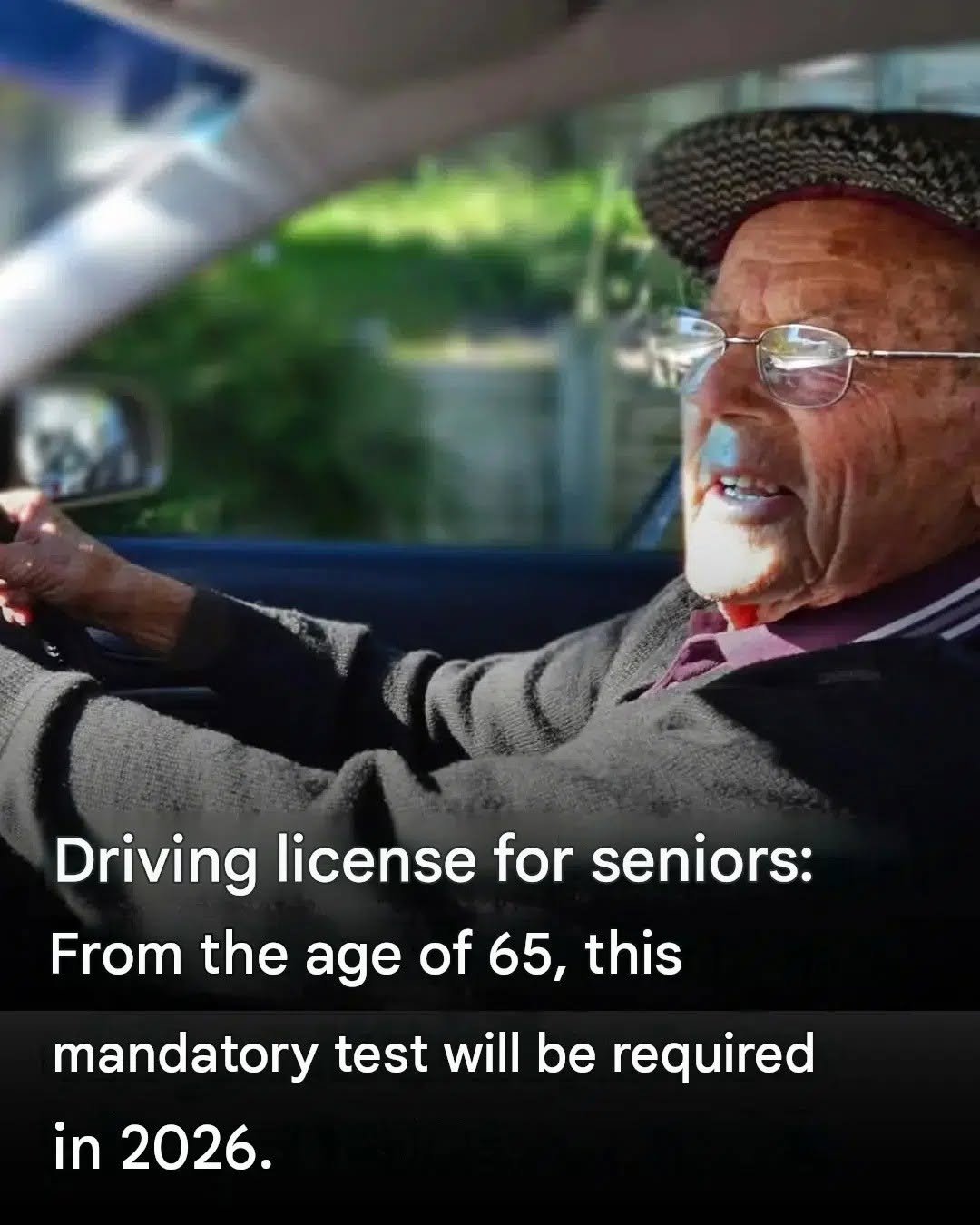
Cutting Through Senior Driving Test Clickbait
Headlines and viral posts claiming that “from the age of 65, a new driving test will become mandatory in 2026” are classic examples of generalized, borderless fear-mongering designed to cause anxiety for older drivers.
Because traffic laws, licensing bodies, and motor vehicle departments are strictly managed at regional and national levels (varying entirely between countries, provinces, and states), there is no single, universal law or sweeping global mandate that automatically forces all drivers aged 65 and over to take a brand-new, uniform driving test.
How Senior Driver Evaluations Actually Work
Instead of arbitrary, blanket testing sparked by viral internet rumors, transit authorities and medical boards approach senior driving safety through structured, individual frameworks:
-
Jurisdictional Differences:
-
Licensing rules differ wildly. While some regions (such as certain Canadian provinces or international territories) introduce more frequent renewals, vision screenings, or cognitive check-ins for drivers in their late 70s or 80s, others rely on standard renewal cycles unless a medical condition is flagged.
-
-
Medical Fitness Over Age Discrimination:
-
Modern traffic safety guidelines focus on functional and medical fitness rather than an arbitrary age cutoff like 65. Conditions affecting vision, reaction time, or cognitive health (such as advanced neuropathy or dementia) are what prompt doctors or licensing bureaus to request evaluations—not simply celebrating a birthday.
-
-
The Goal is Support, Not Confiscation:
-
When senior driving assessments are required (often later in life, such as at ages 75 or 80 in specific jurisdictions), they are designed to help drivers maintain independence safely, offering adjustments or refreshers rather than functioning as a sudden penalty.
-
Why Blanket Age-Test Rumors Spread
-
Clickbait Panic: Vague headlines prey on the very real fear older adults have of losing their independence and mobility, prompting high shares and angry comments.
-
Confusing Local Policy with Universal Law: Changes to a specific local DMV or international transit authority policy often get blown out of proportion online, making it sound like an sweeping decree that applies to everyone everywhere.
Safety Reminder: If you or an older loved one has questions about license renewal requirements, the best source is always your local licensing authority (such as your provincial traffic police or regional department of motor vehicles) rather than social media headlines.
Are you or someone in your family looking into local license renewal guidelines, or did a sensational traffic headline cross your screen today?
