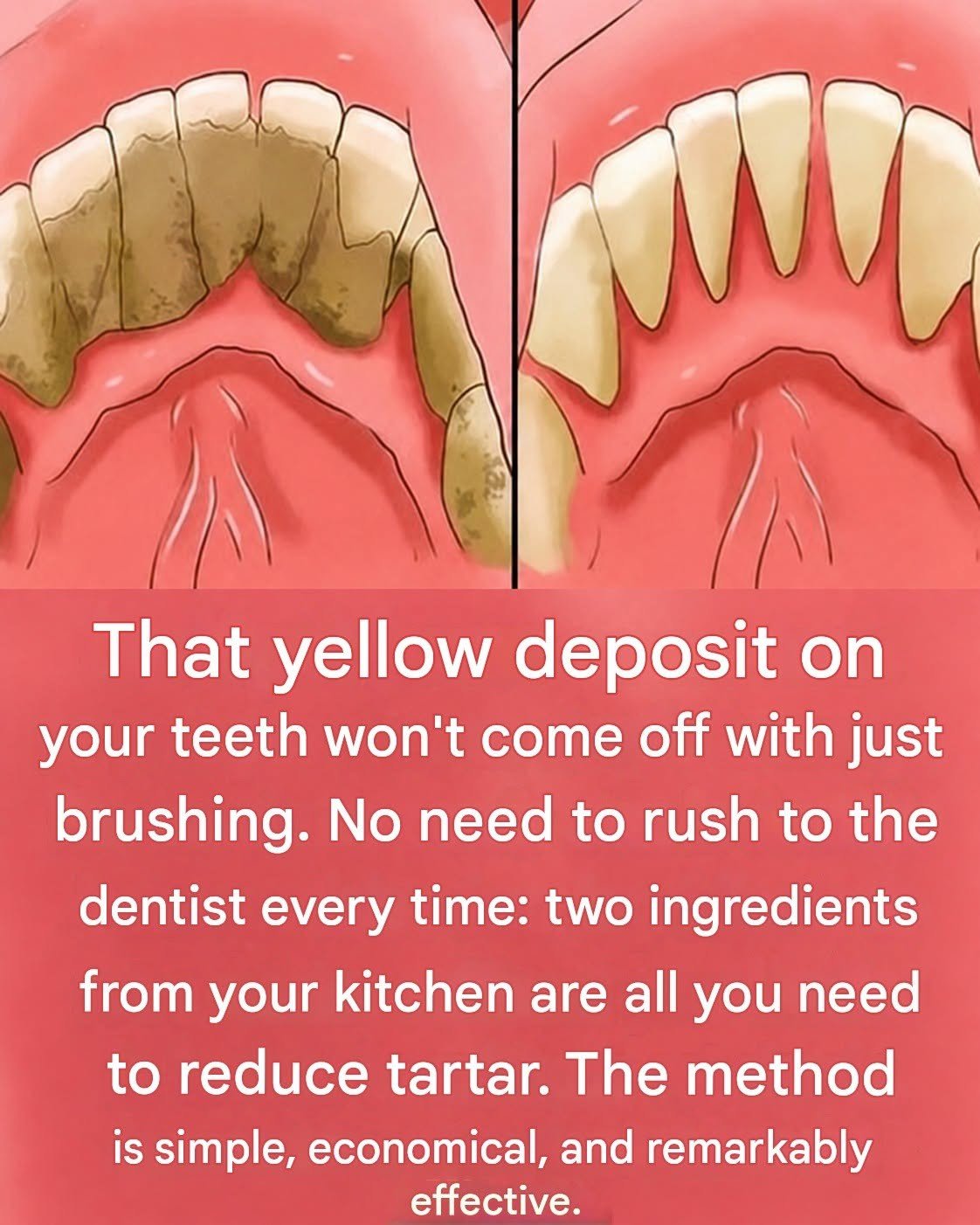
Cutting Through the “DIY Dentist” Clickbait
Headlines suggesting you can “Be your own dentist” and remove tartar buildup at home are some of the most dangerous pieces of health clickbait online. They encourage people to take sharp metal tools, abrasive chemical mixtures, or unverified viral hacks to their teeth, promising a quick fix for a clinical dental issue.
In professional dentistry, tartar cannot be safely or effectively removed at home. Once dental plaque mineralizes into tartar (calculus), it bonds aggressively to the tooth enamel with the strength of concrete. Attempting to scrape it off yourself is a fast track to damaging your gums, scratching your enamel, and introducing serious infections.
Why DIY Tartar Removal is Dangerous
When viral videos or articles advocate for scraping your own teeth or using harsh abrasive pastes, they ignore basic oral anatomy and the risks involved:
-
Severe Gum Damage:
-
The reality: Using makeshift metal picks or dental scalpers at home without professional training almost always results in slipping. This can deeply gouge your delicate gum tissue, causing severe bleeding, receding gums, and painful lacerations.
-
-
Permanent Enamel Destruction:
-
The reality: Clickbait recipes often recommend scrubbing teeth with baking soda, hydrogen peroxide, lemon juice, or activated charcoal brushes. While slightly abrasive, these substances—especially acidic ones like lemon juice—dissolve and erode your protective tooth enamel. Once enamel is gone, it never grows back, leading directly to extreme tooth sensitivity and decay.
-
-
Pushing Bacteria Deeper:
-
The reality: Scraping blindly below the gumline can force plaque and bacteria deeper into your periodontal pockets, converting a simple tartar issue into a painful gingival infection or full-blown periodontal disease.
-
The Real Science of Tartar Management
Dental professionals use specialized ultrasonic scalers and precision hand instruments designed to shatter and remove calculus without harming the underlying tooth structure or soft tissues.
While you cannot remove existing tartar at home, you have complete control over preventing new plaque from turning into tartar:
-
Meticulous Brushing: Brush twice a day for a full two minutes using a soft-bristled toothbrush (electric toothbrushes are exceptionally effective at breaking up soft plaque before it hardens).
-
Daily Flossing: Flossing removes plaque from between your teeth where toothbrush bristles can never reach—which is precisely where stubborn tartar loves to form.
-
Antimicrobial Mouthwash: Using a therapeutic mouthwash can help reduce the overall bacteria count in your mouth between dental visits.
Dental Safety Reminder: Leave tartar removal to the professionals! Regular dental cleanings every six months are designed specifically to safely scale away calculus and protect your long-term oral health.
Are you due for your routine dental cleaning, or did a viral teeth-cleaning video pop up on your feed?
