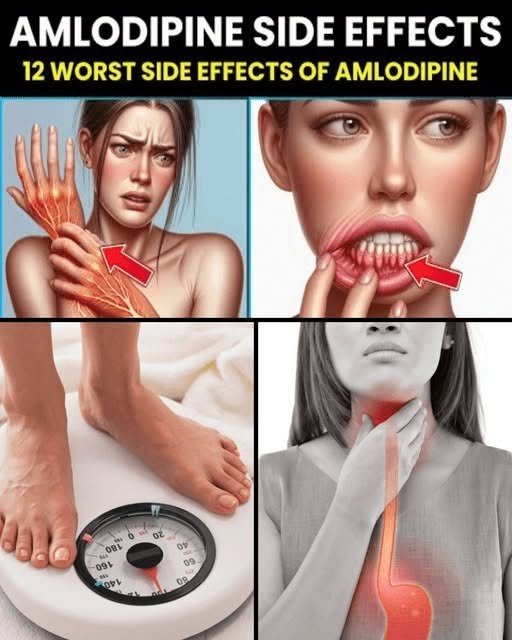
Cutting Through Amlodipine Clickbait
Headlines warning about the “12 Worst Side Effects of Amlodipine You Should NEVER Ignore” are classic pharmaceutical clickbait. They weaponize common, predictable side effects of a widely prescribed blood pressure medication, using ominous lists and absolute terms like “NEVER ignore” to turn standard medical management into a source of panic.
Amlodipine (Norvasc) is a calcium channel blocker used globally to manage high blood pressure and coronary artery disease. While it is a powerful and effective medication, like all blood pressure drugs, it comes with known physiological effects—most of which are mild, predictable, and manageable with your doctor.
The Real Science Behind Amlodipine’s Common Effects
When doctors prescribe amlodipine, they monitor for specific physiological shifts caused by how the drug works. Amlodipine relaxes and widens your blood vessels so blood can flow more easily. That very mechanism of vasodilation is what leads to its most frequently reported side effects:
-
Peripheral Edema (Ankle and Foot Swelling):
-
The clickbait spin: “Swollen ankles mean your heart is failing!”
-
The reality: This is amlodipine’s most common side effect. Because the drug relaxes the small blood vessels (arterioles) more than the veins, fluid can temporarily leak into surrounding tissues, particularly in the lower legs and ankles due to gravity. It is generally harmless, though annoying, and can often be managed by adjusting the dose or timing with your physician.
-
-
Dizziness or Lightheadedness:
-
The spin: “Sudden brain crashes caused by blood pressure pills!”
-
The reality: When your blood pressure drops into a healthy, target range, your body takes a moment to adjust—especially when standing up quickly (orthostatic hypotension).
-
-
Flushing or Warmth in the Face:
-
The spin: “Dangerous vascular inflammation!”
-
The reality: As blood vessels near the skin’s surface dilate, you might experience a mild flushing sensation or warmth in your face or neck.
-
-
Fatigue:
-
The spin: “Your energy is completely destroyed!”
-
The reality: As your cardiovascular system adjusts to lower blood pressure, it is normal to feel a bit more tired during the first few weeks of starting or changing the dose of the medication.
-
Real Side Effects vs. Panic-Inducing Myths
While clickbait lumps everything together into a terrifying dozen, clinical guidelines separate normal, mild side effects from true red-flag symptoms that require medical attention:
-
What to Discuss Routine With Your Doctor: Persistent ankle swelling, mild dizziness, or a slight headache as your body adjusts to the prescription. Never stop taking a blood pressure medication abruptly on your own, as doing so can cause a dangerous rebound spike in blood pressure.
-
When to Seek Prompt Medical Attention: Severe, worsening chest pain (angina), a rapid or pounding heartbeat (palpitations), fainting, or signs of an allergic reaction like facial swelling or difficulty breathing.
Cardiovascular Safety Reminder: Always talk to your prescribing physician or a clinical pharmacist if a side effect bothers you. They can evaluate whether a simple dosage adjustment or a different medication class is a better fit for your body.
Are you or a loved one currently managing a blood pressure regimen, or did a sensational medical headline catch your eye today?
