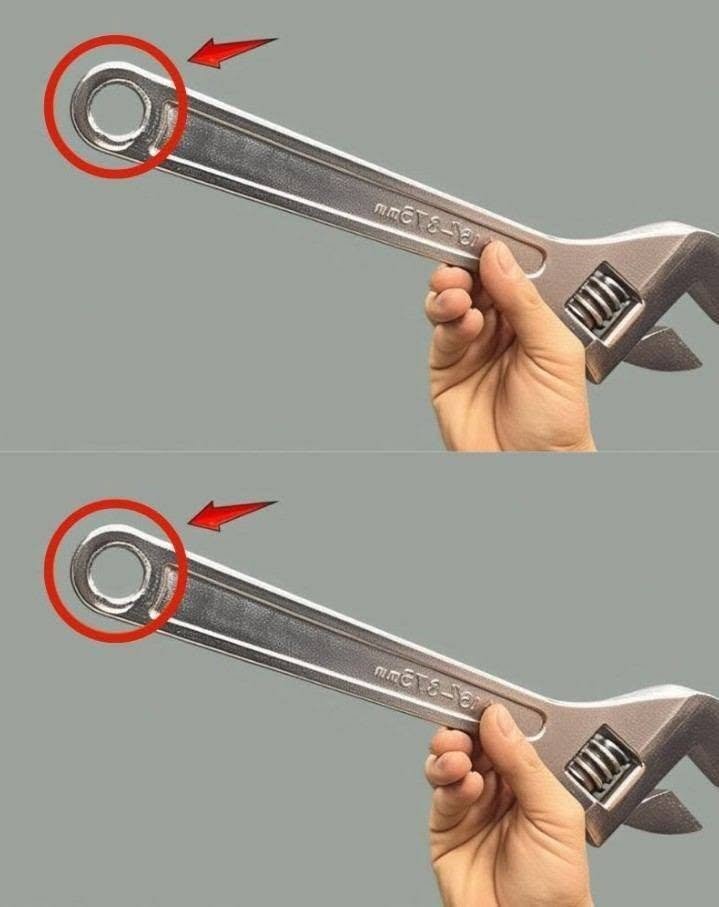
Cutting Through the “Secret Tool” Clickbait
Headlines teasing that “Millions of people around the world don’t know the secret of this tool” are the ultimate textbook clickbait. They use a classic curiosity-gap formula—obscuring a mundane household or kitchen gadget behind vague, hyperbolic promises of a “secret”—just to trick you into clicking through an endless slide deck of advertisements.
In reality, most of these viral “hidden features” are either standard engineering design choices, simple multi-use functions, or features that the vast majority of people do know and use regularly.
Classic “Secret Tool” Myths Debunked
If you have ever clicked on one of these sensational videos or articles, you usually end up scrolling past dozens of ads just to see a list of everyday objects being used in slightly unconventional ways:
-
The Foil/Plastic Wrap Box Edge Tab:
-
The clickbait claim: “You’ve been using aluminum foil wrong your whole life!”
-
The reality: Those little cardboard tabs on the sides of foil and plastic wrap boxes? They are designed to be pushed inward to lock the cardboard roll in place so it doesn’t fly out of the box when you pull a sheet. It’s printed right on the box instruction panel, not a hidden government secret.
-
-
The Hole in the Spaghetti Spoon:
-
The clickbait claim: “The secret purpose of pasta spoon holes will shock you!”
-
The reality: That center hole is primarily designed to let water drain quickly when scooping pasta. While it can double as a rough single-portion measurer for dry spaghetti, it wasn’t a top-secret industrial invention.
-
-
The Takeout Box That Folds Into a Plate:
-
The clickbait claim: “Genius origami hack transforms takeout boxes instantly!”
-
The reality: Traditional Chinese takeout cartons (known as Peter Fold-formed boxes) are mechanically designed with scored flaps that lock into a secure container. Unfolding them into a plate shape is just a handy, functional byproduct of their clever cardboard geometry.
-
Why the Curiosity Gap Works
-
The Psychology of Missing Out: Clickbait thrives on making you feel like you are part of an “uninformed majority,” triggering a mild urge to prove you are smart enough to learn the “secret.”
-
Recycled Content Loops: These articles and videos are constantly recycled across social media feeds because they require zero actual reporting—just re-packaging basic everyday object functions as mind-blowing revelations.
A Quick Reality Check: If a tool has a feature, chances are the manufacturer designed it intentionally for convenience, and millions of people figured it out the first time they read the manual or used it!
Did a mysterious headline pop up on your feed showing an everyday gadget with a dramatic claim, or are you trying to figure out what a specific household tool is actually meant to do?
