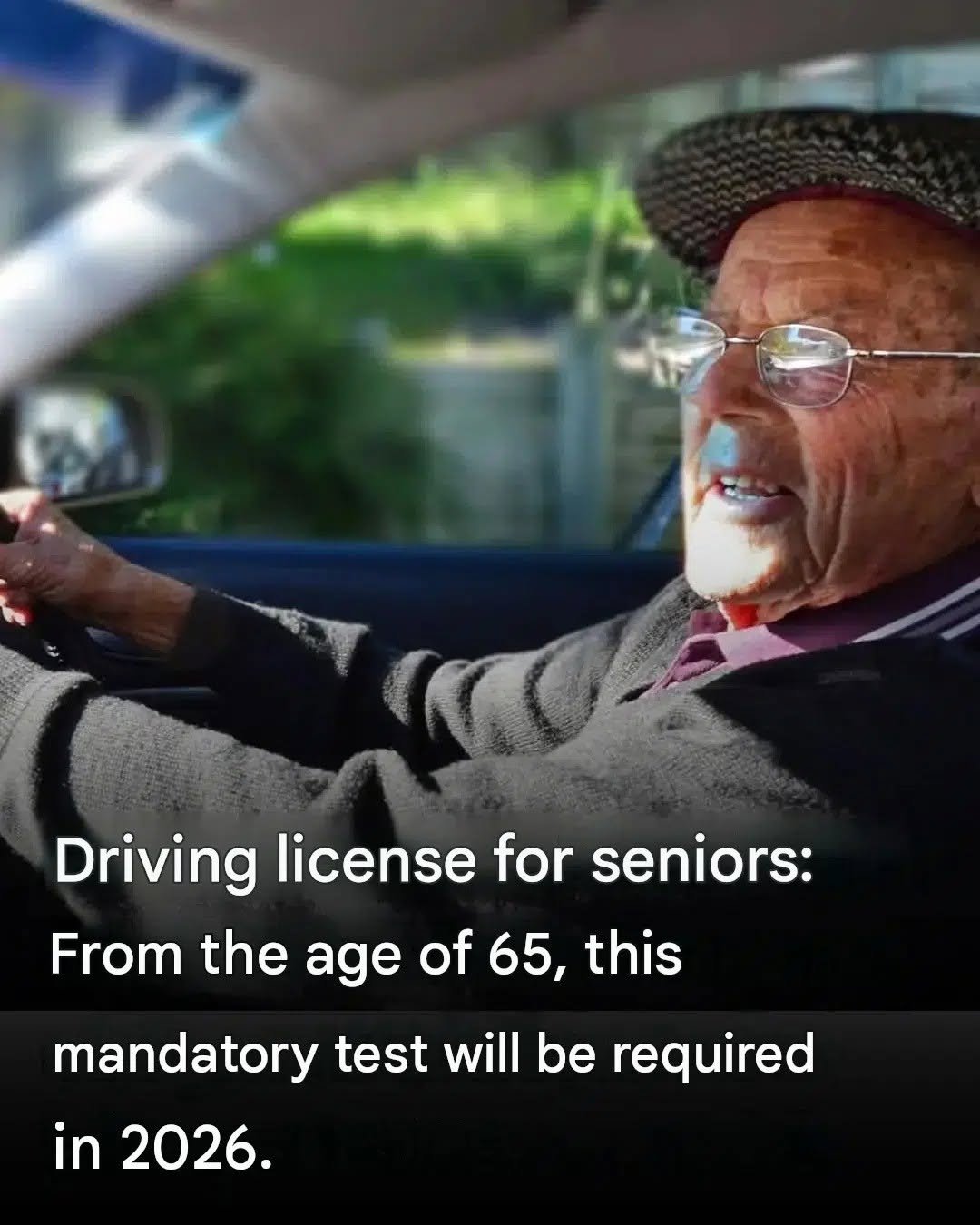
Regulations surrounding senior driving licenses vary significantly by jurisdiction, but discussions, pilot initiatives, and updated policy proposals regarding mandatory testing for older drivers continue to spark widespread public debate. While sweeping global mandates targeting every driver precisely at age 65 are rare—as many regions instead set specific thresholds at ages 70, 75, or 80—transport authorities are increasingly tightening oversight to balance road safety with senior mobility.
Common Trends in Senior Driver Evaluations
Different countries and states utilize distinct frameworks to monitor fitness to drive as motorists age:
-
Tiered Age Milestones: Rather than blanket testing at 65, many jurisdictions introduce formal requirements starting at age 70 or 80. For instance, certain regions require routine vision screening, group education sessions, or cognitive check-ins every few years once a driver enters their golden years.
-
Medical Fitness Reports: In many places, drivers past a certain age threshold must submit regular medical or optometric evaluations completed by their primary care physician to ensure conditions like declining vision, neuropathy, or cardiovascular issues do not impair vehicle control.
-
Knowledge and Practical Screenings: Jurisdictions that mandate testing often rely on computer-based rules-of-the-road knowledge refreshers or group education rather than immediate on-road practical tests, reserving behind-the-wheel assessments for drivers flagged by medical professionals or involved in traffic incidents.
Why Authorities Review Senior Driving Policies
Transport ministries and safety advocacy groups frequently evaluate licensing rules based on several physiological factors:
-
Changes in Reaction Time: Natural age-related shifts can subtly slow down visual processing and motor response times, which are critical during unexpected traffic events.
-
Vision and Hearing Declines: Peripheral vision, night-vision adaptation, and auditory perception often diminish over time, impacting a driver’s awareness of their surroundings.
-
Medication Interactions: Older adults are statistically more likely to take multiple prescription medications, some of which can cause drowsiness, dizziness, or slowed cognitive reflexes.
Staying Proactive: If you or an older family member are approaching license renewal milestones, it is always best to check the specific guidelines issued by your local department of motor vehicles or regional transit authority. Simple steps like scheduling regular eye exams and practicing defensive driving habits can help ensure continued independence and safety on the road.
