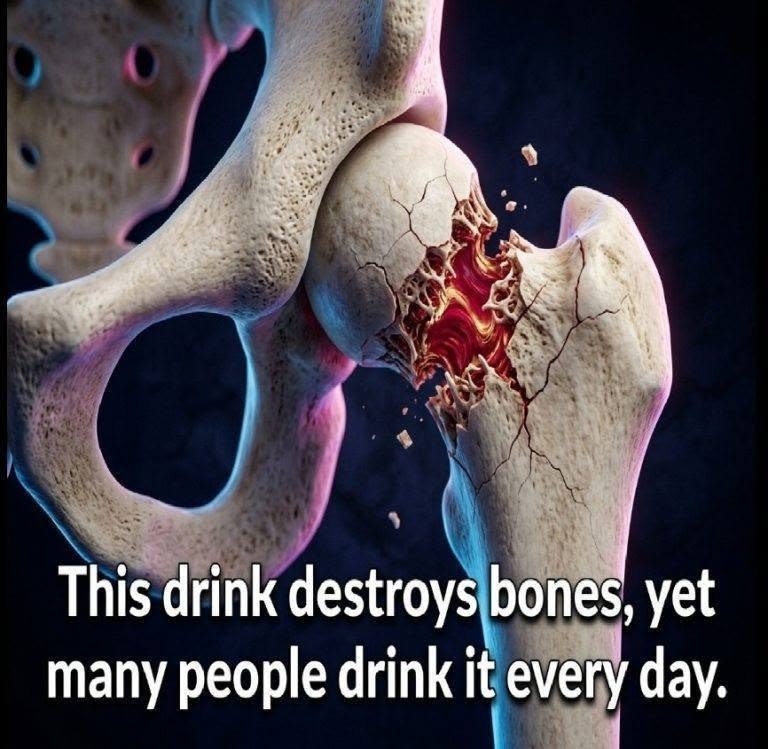
Clinical Reality Check: Health experts don’t view beverage impacts on bone health through a rigid “top 5 most harmful” hierarchy. Instead, risk is driven by high-frequency displacement (swapping calcium/vitamin D-rich drinks for empty ones), excessive intake of specific compounds (high caffeine, heavy alcohol, high sodium/sugar loads), and metabolic disruption.
The 5 Beverage Categories Tied to Bone Risk (and Why)
| Beverage Category | Primary Mechanism of Concern | Clinical Reality / Nuance |
| 1. Cola / Dark Carbonated Soft Drinks | Phosphoric acid, sugar/diet sweeteners, caffeine, and displacement of milk/nutrients. | Linked in cohort studies (like Framingham/Tufts) to lower hip bone density in women and fracture risks [cite: 1.1.4]. Non-cola carbonated water shows no such risk. |
| 2. Heavy / Excessive Alcohol | Impairs osteoblast (bone-building) function, disrupts vitamin D activation, increases urinary calcium excretion, and alters estrogen/testosterone [cite: 1.1.1]. | Moderate intake has mixed data, but chronic heavy drinking (>8 drinks/week for women, >15 for men) significantly raises osteoporosis risk [cite: 1.1.1]. |
| 3. High-Caffeine Coffee or Energy Drinks (>400–800 mg/day) | High loads can mildly increase acute urinary calcium excretion [cite: 1.1.4] and impair bone density turnover if displacing calcium. | Moderate coffee (3 cups/day) is generally neutral or safe; extreme excess (>4+ heavy cups or massive energy drink caffeine stacks) correlates with lower bone mineral density [cite: 1.1.4]. |
| 4. High-Sodium Sports / Electrolyte Drinks (Regularly) | High sodium loads prompt renal calcium excretion (calciuria) when consumed in large daily volumes [cite: 1.1.1]. | Fine for heavy athletic rehydration; harmful to overall bone/vascular profile if used casually in place of water while driving high sodium intake. |
| 5. High-Sugar Sweetened Beverages (Juice punches, heavy sweetened teas/sodas) | High glycemic/fructose load linked to systemic inflammation and lower micronutrient retention; displaces bone-building building blocks. | Indirectly harms skeletal integrity over time by promoting poor metabolic health and low nutrient density. |
Key Takeaways for Bone-Protective Hydration
-
Displacement is King: Often, a “harmful drink” hurts bones simply because it replaces a glass of fortified milk, calcium-rich plant milk, or water.
-
The Seltzer Myth: Plain sparkling water, club soda, or seltzer do not leach calcium from bones [cite: 1.1.6].
-
Protect the Foundation: Aim for adequate daily calcium (1,000–1,200 mg) [cite: 1.1.5], vitamin D (600–1,000 IU) [cite: 1.1.5], and weight-bearing exercise [cite: 1.1.5] rather than stressing over a single carbonated beverage.
Are you reviewing your daily drink habits due to a recent bone density (DEXA) scan or family history of osteoporosis?
