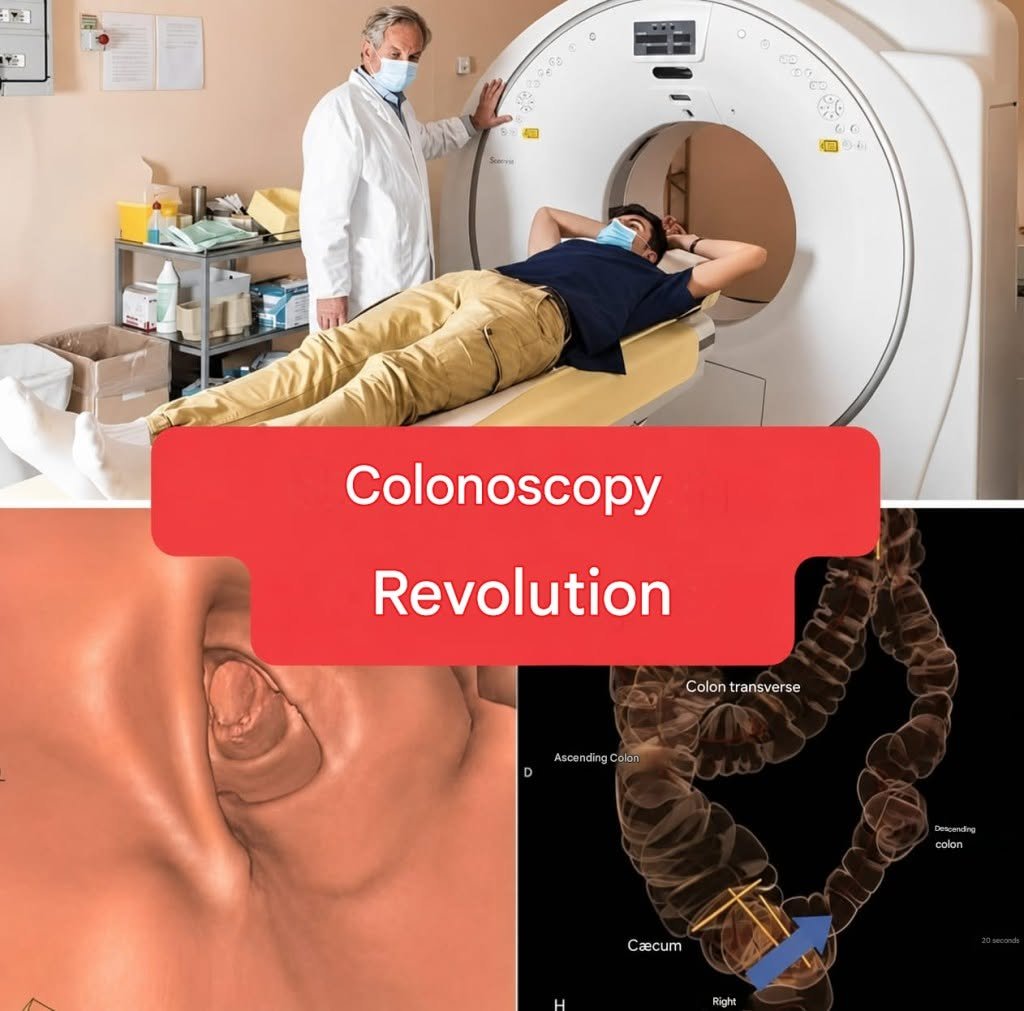
The landscape of colorectal cancer screening is undergoing a major shift, with a strong push toward non-invasive alternatives designed to lower procedural anxiety, avoid sedation, and eliminate the need for traditional tube-based scopes for average-risk individuals.
While a traditional colonoscopy remains the undisputed gold standard because doctors can remove polyps and take biopsies during the same procedure, several advanced non-invasive and minimally invasive options are transforming how early detection is approached:
1. Blood-Based Biomarker Tests (Liquid Biopsies)
-
How it works: These tests look for circulating tumor DNA (ctDNA) or specific genomic and epigenomic biomarkers shed into the bloodstream by cancerous or precancerous cells.
-
The Appeal: It requires only a standard routine blood draw—no dietary restrictions, no heavy bowel prep, and no sedation. Tests like the FDA-approved Shield blood test represent major milestones in making screening as simple as getting cholesterol checked.
2. Next-Generation Stool Tests (DNA and RNA Markers)
-
How it works: Advanced at-home stool tests (such as improved Cologuard variants or newer multi-target stool RNA tests like ColoSense) analyze stool samples for both hidden traces of blood and molecular DNA/RNA mutations shed by polyps or tumors.
-
The Appeal: They offer high accuracy rates for detecting cancer from the comfort of home and are typically repeated every few years for average-risk adults.
3. Virtual Colonoscopy (CT Colonography)
-
How it works: This method uses low-dose computerized tomography (CT) scans to generate highly detailed 2D and 3D images of the entire large intestine.
-
The Appeal: It is minimally invasive, does not require sedation, takes only about 10 to 20 minutes, and allows patients to immediately return to their normal daily routine or work. (Note: While it requires a mild bowel prep and gas inflation, it completely bypasses the insertion of an endoscope).
Important Caveat: The Limitation of Non-Invasive Tests
While these options drastically improve comfort and accessibility, they function primarily as screening tools rather than definitive treatments. If a blood test, stool test, or virtual colonoscopy detects an abnormality or comes back positive, a traditional, invasive colonoscopy is still required to investigate, perform a biopsy, or remove the precancerous polyps.
Are you looking into these new screening methods because you’re planning your own routine check-up, or were you curious about a specific breakthrough in the news?
