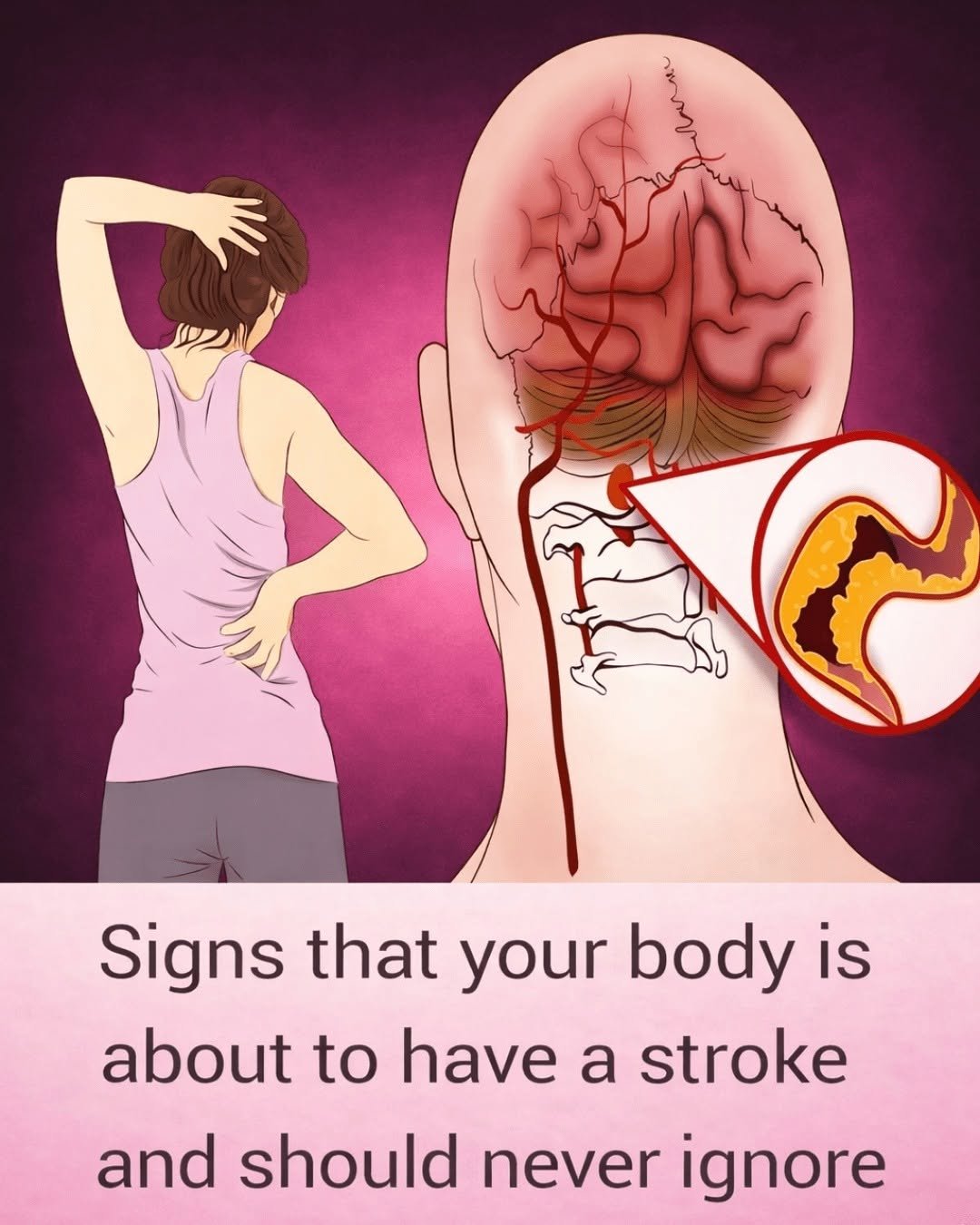
Viral health lists often pad out “10 early stroke signs” with vague, everyday symptoms like fatigue, mild anxiety, or occasional headaches, which creates unnecessary panic while diluting the real message.
Vascular neurologists and emergency medicine physicians emphasize one single, fundamental rule: A stroke is a acute vascular emergency defined by the sudden, localized disruption of brain function. Unlike slow-building conditions, stroke symptoms hit like a light switch turning off, because brain tissue deprived of oxygen begins dying at a rate of roughly 1.9 million neurons every single minute.
The Gold Standard: The BE-FAST Framework
While clickbait headlines stretch symptoms into long lists, emergency medical protocols rely on the clinically validated BE-FAST framework to identify strokes rapidly:
-
1. Balance (Sudden Loss of Coordination):A sudden inability to stand straight, unexpected dizziness, or staggering while walking as if suddenly intoxicated.
-
2. Eyes (Sudden Vision Changes):Sudden loss of vision in one or both eyes, sudden double vision, or a dark curtain seemingly dropping over your field of view.
-
3. Face (Sudden Drooping):One side of the face sags or feels numb. Asking the person to smile reveals an uneven, lopsided expression.
-
4. Arms (Sudden Weakness or Numbness):Sudden loss of strength in one arm or leg, usually localized to one side of the body. When asked to raise both arms, one arm drifts downward involuntarily.
-
5. Speech (Sudden Difficulty or Slurring):Speech becomes slurred, garbled, or strange. The person may sound confused or struggle to understand basic, plain language.
-
6. Time (Call Emergency Services Instantly):If any single one of these signs appears, calling emergency services immediately is non-negotiable.
Additional Secondary Warning Signs
Beyond the primary BE-FAST protocol, neurologists watch for four other specific, sudden focal signs:
-
7. Sudden “Thunderclap” Headache:An exceptionally severe, blinding headache that reaches maximum intensity within seconds (often described as “the worst headache of your life”), typically indicative of a hemorrhagic stroke or ruptured aneurysm.
-
8. Sudden Numbness on One Side of the Body:A distinct pins-and-needles or dead sensation restricted to one side of the face, arm, or leg (hemiparesis).
-
9. Sudden Confusion or disorientation:An abrupt inability to orient oneself to time, place, or immediate surroundings.
-
10. Sudden Difficulty Walking or Dizziness:An abrupt loss of spatial awareness paired with vertigo, making simple steps unsafe.
The Transient Ischemic Attack (TIA) Fallacy
A major danger in stroke presentation is the Transient Ischemic Attack (TIA), often called a “mini-stroke.”
-
The Trap: A TIA occurs when a blood clot temporarily blocks an artery and then breaks up on its own, causing stroke symptoms that disappear within minutes or hours.
-
The Clinical Reality: Many people ignore TIAs because the symptoms resolve. However, a TIA is a massive physiological warning shot—roughly 1 in 3 people who experience a TIA go on to have a full, debilitating stroke shortly thereafter if untreated. A TIA requires immediate emergency room evaluation.
💡 The Big Takeaway
You do not need to memorize a complicated 10-point list to save a life. Focus on the word SUDDEN. If someone suddenly loses balance, experiences vision changes, shows facial drooping, arm weakness, or slurred speech, call emergency services immediately—because time lost is brain lost.
Are you reviewing stroke warning signs for personal health awareness, or did a health infographic cross your screen?
