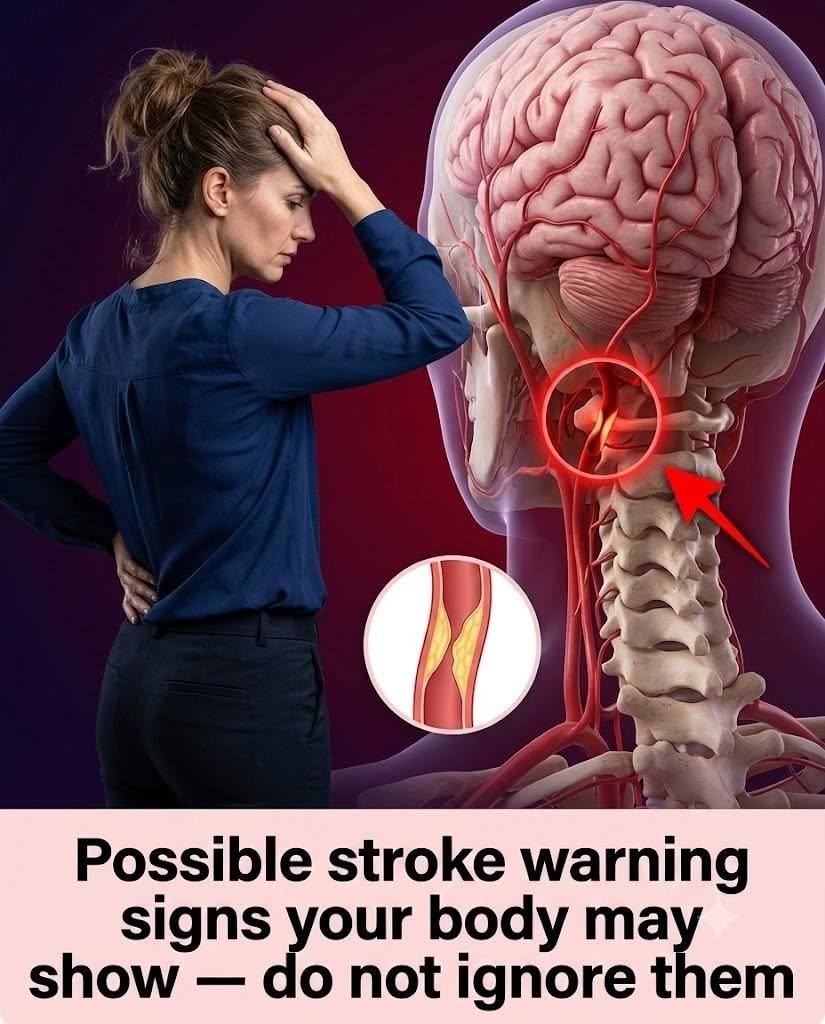
That headline uses classic emergency-alert styling, but unlike low-stakes clickbait, stroke awareness is one area where knowing the signs truly is critical. A stroke is a medical emergency where every minute counts (“time is brain”), so recognizing symptoms early can literally save a life or prevent permanent disability.
The medical community simplifies this using the universally recognized FAST acronym, along with a few other critical indicators. Here is the clear, evidence-based breakdown of what to watch for:
1. The Core Warning Signs (The FAST Test)
Medical professionals rely on FAST because these are the most common signs of an acute stroke:
-
F – Face Drooping: Does one side of the face droop, or is it numb? If the person smiles, is the smile uneven?
-
A – Arm Weakness: Is one arm weak or numb? If the person tries to raise both arms, does one drift downward?
-
S – Speech Difficulty: Is their speech slurred, are they unable to speak, or are they hard to understand? Ask them to repeat a simple sentence (like “The sky is blue”).
-
T – Time to Call Emergency Services: If you observe any of these signs—even if they fluctuate or go away—call emergency services immediately. Note the exact time the symptoms started, as this dictates treatment options.
2. Other Critical Warning Signs
Strokes can affect different parts of the brain, leading to other sudden symptoms that everyone should recognize:
-
Sudden Vision Changes: Sudden blurriness, double vision, or complete loss of sight in one or both eyes.
-
Sudden Severe Headache: A blinding, “thunderclap” headache with no known cause, often described as the worst headache of one’s life (more common in hemorrhagic strokes).
-
Sudden Balance or Coordination Loss: Sudden dizziness, trouble walking, loss of balance, or sudden clumsiness (ataxia).
-
Sudden Confusion: Difficulty understanding simple statements or sudden disorientation.
3. What to Do (And What NOT to Do)
-
Call Emergency Services Immediately: Never try to drive the person to the hospital yourself, and do not wait to see if symptoms “wear off.” Paramedics can begin life-saving evaluations and alert the receiving hospital before arrival.
-
Note the Time: Keep track of when the symptoms first appeared. Treatments like clot-busting medications (tPA) or mechanical thrombectomy have strict time windows to be effective.
The Takeaway: While clickbait loves to use alarmist formatting, stroke symptoms demand immediate, calm action. Memorizing the FAST acronym is one of the most practical health safety measures anyone can take.
Is this information something you’re brushing up on for general safety, or is there an urgent situation you are navigating right now?
