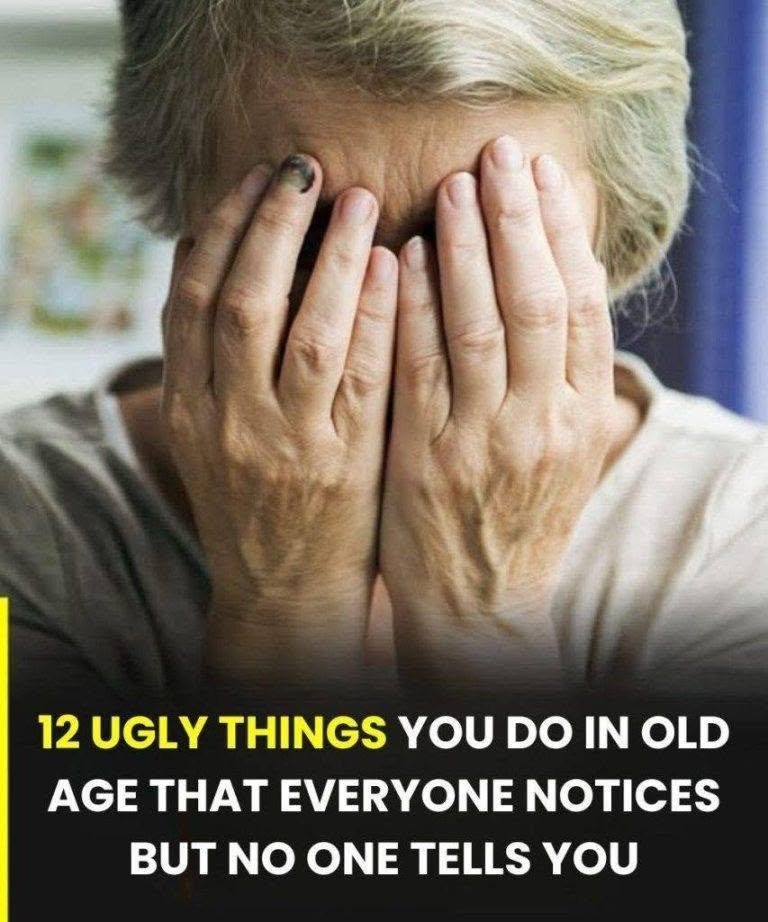
The Reality Behind Clickbait “Old Age” Shaming Articles
Articles or videos with sensationalized titles like “12 nasty things you do in old age that everyone notices, but no one dares to tell you” are designed purely for clickbait. They rely on anxiety about aging, generational friction, and fear of losing social grace to generate views and ad revenue.
In reality, many of the behaviors lumped into these lists are not “nasty” or malicious choices; they are often the natural, physical, or neurological side effects of aging that deserve empathy rather than judgment.
Why These “Lists” Misrepresent Aging
-
Medical and Sensory Changes: What some critics label as stubbornness or lack of self-awareness is often age-related hearing loss, vision decline, or cognitive shifts (such as early-stage dementia or executive function changes). When people can’t hear themselves speak or notice subtle sensory changes, their habits naturally shift.
-
Decline in Physical Dexterity: Conditions like severe arthritis, tremors, or muscle weakness can make intricate daily grooming, housekeeping, or precise hygiene routines physically painful or exhausting.
-
Loss of Mobility and Independence: Struggling to maintain a home or personal routine often stems from physical limitations rather than a lack of caring.
Shifting from Judgment to Compassion
Instead of viewing aging through a lens of mockery or secret annoyance, a supportive approach focuses on understanding and dignity:
-
Open, Kind Communication: If an older loved one is struggling with hygiene, home upkeep, or personal habits, addressing it with gentleness and respect (rather than passive-aggressive silence) preserves their dignity.
-
Offering Practical Help: Often, offering physical assistance with cleaning, errands, or organizing a doctor’s check-up solves the underlying issue much faster than judgment ever could.
Tip: Aging brings transitions that everyone eventually navigates. Approaching these changes with patience and empathy ensures that older adults maintain their respect and autonomy.
Are you noticing changes in a loved one’s habits that you’re trying to figure out how to approach respectfully?
