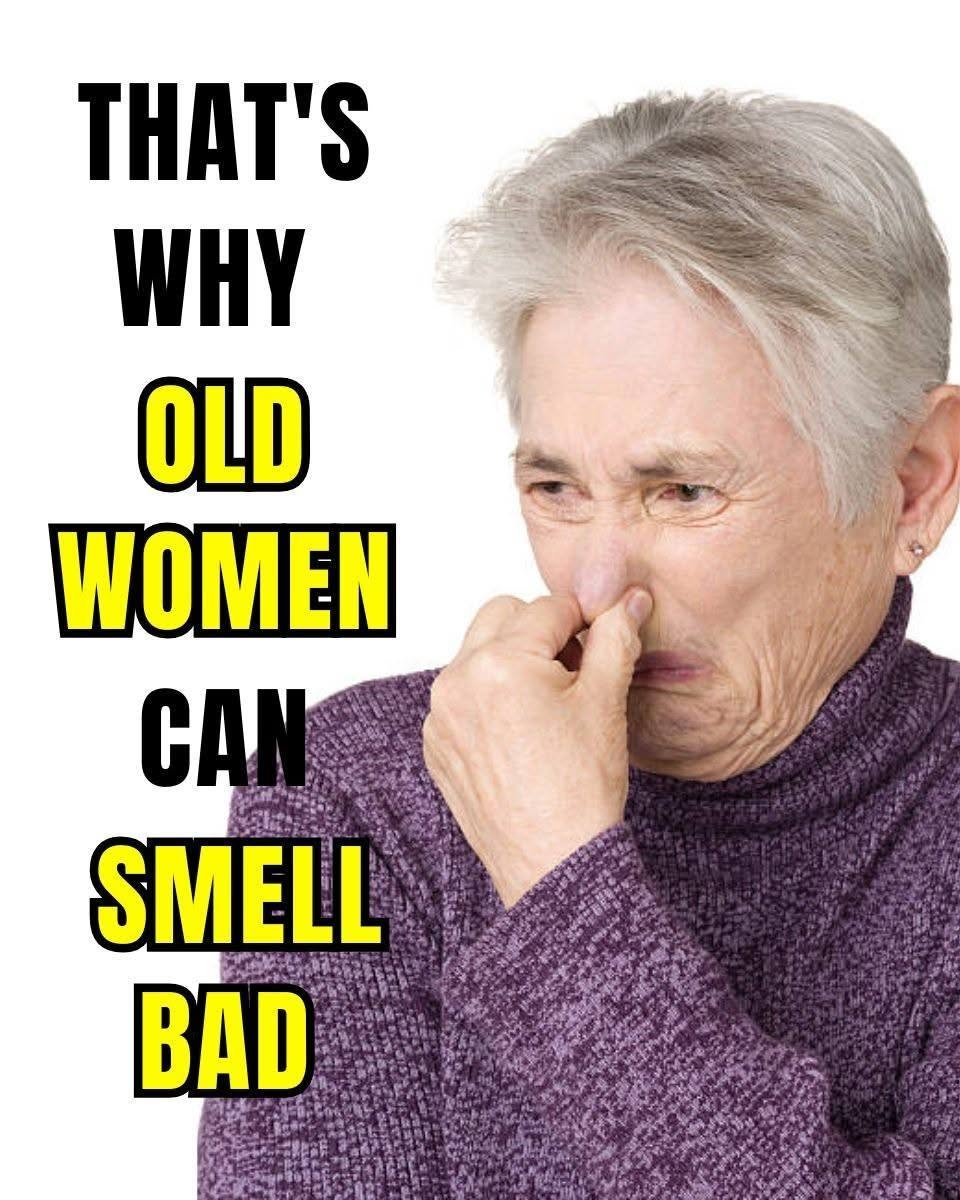
That headline is a masterclass in combining ageism, gender specificity, and subtle body-shaming to manufacture instant insecurity. By targeting “older women” with a list of “hidden habits,” these articles aim to monetize natural biological changes by framing them as hygiene failures or secret personal faults.
In clinical reality, age-related changes in body scent are normal physiological shifts driven by skin chemistry and hormones—not a secret list of bad habits you need to uncover.
Here is the un-sensationalized medical reality behind why body odor changes as we age, and what is actually happening beneath the clickbait:
1. The Real Chemistry: What Is “2-Nonenal”?
Sensationalized articles love to act like body odor changes in older adults are a mysterious mystery caused by hidden lifestyle flaws. In dermatology, there is a well-documented chemical compound called 2-nonenal.
-
The Biological Shift: As people enter middle age and beyond (typically starting around age 40), changes in skin lipid (fat) oxidation and hormonal shifts (such as declining estrogen during and after menopause) alter the compounds secreted by the skin’s sebaceous glands.
-
Why It Smells Different: 2-nonenal is a non-polar aldehyde that is not easily washed away with water alone because it doesn’t dissolve well in water. It has a distinct, grassy, or slightly greasy odor. Because skin moisture and surface bacteria interact with these altered lipids, natural body scent shifts over time. This is a normal part of human aging, completely unrelated to poor hygiene or “hidden habits.”
2. Deconstructing the “Bad Habit” Myth
Instead of recognizing natural aging, clickbait articles love to scold older women, claiming things like drinking too little water, eating certain spices, or wearing specific fabrics are secret traps causing the odor. From a clinical standpoint:
-
Hydration and Diet: While hydration supports overall skin health and metabolism, and certain foods (like garlic or spices) temporarily influence sweat chemistry, they do not dictate age-related skin lipid changes.
-
Fabric Choices: Synthetic fabrics can trap sweat and bacteria, leading to standard microbial odor at any age, but this is a universal textile issue, not a gender- or age-specific “hidden habit.”
3. The Healthy Approach to Skin and Hygiene As We Age
Skin changes as we grow older—it becomes thinner, drier, and more sensitive. Rather than panicking over viral articles trying to sell specialized soaps or shaming everyday routines, dermatologists recommend straightforward skin care:
-
Gentle Cleansing: Because 2-nonenal doesn’t dissolve easily in water, standard soap and water work well, but gentle, hydrating cleansers protect aging skin from becoming overly dry or irritated.
-
Moisturization: Keeping the skin barrier healthy with regular moisturizers helps manage skin health overall.
-
Focus on Comfort: Wear breathable, natural fabrics if skin sensitivity or increased perspiration is an issue, and consult a dermatologist if any sudden, drastic skin or odor changes occur.
The Takeaway: Shifts in body scent as we age are driven by normal skin chemistry and hormonal transitions like menopause—not by secret, shameful habits. Natural physiological changes are a part of life, not a hygiene failure.
Did a bizarre beauty blog try to shame normal aging on your feed, or were you just looking into skin changes and hygiene tips for later life?
