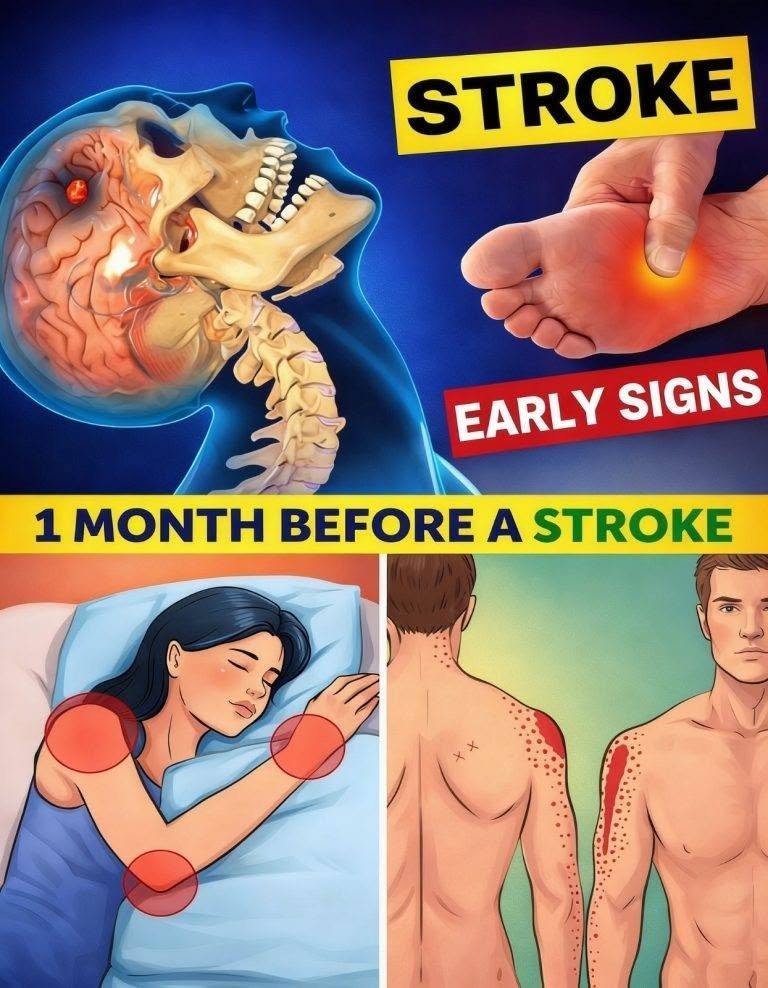
Sensationalized medical blogs love to run headlines claiming that a full list of specific symptoms will appear “one month before a stroke.” While this sounds like a helpful countdown, it creates a dangerous medical misconception: strokes are acute, sudden vascular emergencies, not slow-building conditions that quietly announce themselves weeks in advance.
Vascular neurologists and emergency physicians emphasize that a stroke itself doesn’t simmer for a month. However, there is a very real grain of truth behind these articles: Transient Ischemic Attacks (TIAs)—or “mini-strokes”—can occur days or weeks before a major stroke, presenting temporary warning signs that people frequently write off or ignore.
The Reality of “Pre-Stroke” Symptoms: The TIA Factor
When someone experiences sudden, stroke-like symptoms weeks or even days before a major medical event, they are usually experiencing a TIA.
-
What happens: A blood clot temporarily blocks an artery in the brain and then dissolves or moves on its own, causing stroke symptoms that vanish entirely within minutes to an hour.
-
The Trap: Because the symptoms disappear, people assume it was just fatigue, a pinched nerve, or low blood sugar.
-
The Danger: Data from public health agencies shows that roughly 1 in 3 people who experience a TIA will go on to have a full, disabling stroke if untreated—with the highest risk concentrated in the first week following the mini-stroke. Any transient neurological symptom requires urgent medical evaluation, not a month-long wait.
9 Clinically Backed Tips to Prevent a Stroke
While clickbait lists focus on mysterious pre-announcements, vascular medicine focuses entirely on modifiable risk factors. Controlling the environment of your blood vessels is the single best way to prevent a stroke from ever happening.
-
1. Manage Your Blood Pressure: Hypertension is the single largest controllable risk factor for stroke. Regularly check your blood pressure and keep it within your doctor’s recommended target range.
-
2. Screen for Atrial Fibrillation (AFib): An irregular heartbeat can cause blood to pool in the heart, forming clots that travel straight to the brain. Treatable with medication or monitoring, AFib is a major hidden stroke risk.
-
3. Control Blood Sugar (Diabetes Management): Chronic high blood sugar damages blood vessels over time, making them far more prone to plaque buildup and clotting.
-
4. Monitor and Lower Cholesterol: High LDL cholesterol contributes to atherosclerosis (narrowing of the arteries), restricting blood flow to the brain and heart.
-
5. Stop Smoking Completely: Nicotine and tobacco smoke damage blood vessel walls, elevate blood pressure, and make your blood significantly more likely to clot.
-
6. Prioritize Regular Physical Activity: Aim for at least 150 minutes of moderate aerobic exercise (like brisk walking, swimming, or cycling) per week to support cardiovascular health and vascular elasticity.
-
7. Adopt a Heart-Healthy Diet: Focus on the Mediterranean or DASH diet patterns—rich in leafy greens, whole grains, healthy fats (like olive oil and fish), and low in excess sodium and processed sugars.
-
8. Limit Alcohol Consumption: Heavy drinking raises blood pressure, weakens heart muscle, and significantly increases stroke risk. Moderate or eliminate intake according to clinical guidelines.
-
9. Never Ignore “Mini-Stroke” Warning Signs: If you experience sudden slurred speech, one-sided numbness, or vision loss that clears up in 10 minutes, treat it as an emergency. Immediate medical intervention after a TIA can prevent a catastrophic stroke.
💡 The Big Takeaway
A stroke doesn’t send a predictable checklist of symptoms a month in advance; it strikes suddenly. However, temporary warning signs like a TIA should never be dismissed as normal aging or fatigue. Protecting yourself relies entirely on controlling your blood pressure, managing underlying conditions, and acting instantly on sudden neurological changes.
Are you looking into stroke prevention strategies for a routine health checkup, or did a dramatic headline catch your eye?
