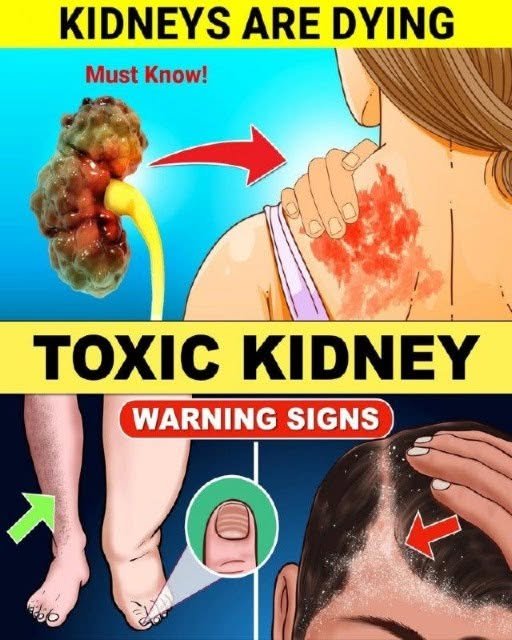
When your kidneys begin to struggle or fail, the decline is often gradual, allowing the body to compensate until the damage is quite advanced. Because early symptoms can be vague and easily blamed on other conditions, recognizing the red flags and catching kidney disease early is vital to protecting your renal health and potentially avoiding advanced treatments like dialysis.
Here are 9 warning signs of failing kidneys and the key medical tests used to monitor and catch issues early.
## 9 Warning Signs Your Kidneys Are Failing
-
1. Persistent Fatigue and Weakness: Healthy kidneys produce a hormone called erythropoietin (EPO), which tells your body to make oxygen-carrying red blood cells. When kidneys are failing, they make less EPO, leading to anemia. This results in severe, persistent tiredness and muscle weakness.
-
2. Swelling (Edema) in the Feet, Ankles, Legs, or Hands: Failing kidneys cannot effectively remove extra fluid and sodium from your body. This fluid retention leads to noticeable puffiness and swelling in your lower extremities and hands.
-
3. Changes in Urination (Foamy Urine or Nocturia): You might find yourself waking up multiple times during the night to urinate (nocturia). Additionally, if you notice excessive, persistent bubbles or foam in your toilet water—resembling scrambled egg foam—it often indicates protein leaking into the urine, a sign of kidney damage.
-
4. Persistent Itchy, Dry Skin: Kidneys maintain the right balance of minerals and nutrients in your blood. When kidney disease advances, they fail to keep the proper balance of calcium and phosphorus, leading to a buildup of phosphorus in the blood that causes severe, deep-seated skin itching.
-
5. Puffy Eyes (Periorbital Edema): Waking up with persistent puffiness around your eyes—especially in the morning—is a classic sign that your kidneys are leaking a large amount of protein into the urine rather than keeping it in the body.
-
6. Metallic Taste in the Mouth or Ammonia Breath (Uremia): A buildup of waste products in the blood (uremia) can change how food tastes, cause chronic bad breath, or leave a metallic or ammonia-like taste in your mouth, often making people lose their appetite for meat.
-
7. Shortness of Breath: Kidney failure can cause shortness of breath in two ways: extra fluid can build up and back up into the lungs, or anemia can leave your body starved for oxygen, making you feel winded with minimal exertion.
-
8. High Blood Pressure (Hypertension): The kidneys play a major role in regulating blood pressure. Damaged kidneys struggle to manage fluid volume and hormones, which both causes high blood pressure and makes it much harder to control.
-
9. Muscle Cramps and Restless Legs: Electrolyte imbalances—particularly low calcium, low sodium, or abnormal phosphorus levels—frequently trigger painful muscle cramps in the legs or a restless, uncomfortable sensation at night.
## Essential Tests to Catch Kidney Disease Early (and Prevent Dialysis)
If caught early through routine screening, kidney disease progression can often be slowed or halted through blood pressure control, medication, and lifestyle changes, keeping you far away from dialysis. The primary tests doctors use include:
-
1. eGFR (Estimated Glomerular Filtration Rate): A simple blood test that measures how well your kidneys are filtering waste from your blood. An eGFR score below 60 for three months or more indicates chronic kidney disease.
-
2. ACR (Albumin-to-Creatinine Ratio): A urine test that checks for albumin, a type of protein. Healthy kidneys keep protein in the blood; leaking protein into the urine is often one of the very earliest warning signs of kidney stress or damage.
-
3. Serum Creatinine Blood Test: Creatinine is a waste product from normal muscle breakdown. High levels in the blood suggest that the kidneys aren’t filtering waste efficiently.
-
4. Renal Ultrasound or Imaging: If doctors need to look at the physical structure of your kidneys, an ultrasound can check for blockages, cysts, kidney stones, or abnormal shrinking/enlargement.
When to See a Doctor: If you have risk factors like high blood pressure, diabetes, a family history of kidney disease, or are experiencing persistent swelling and changes in urination, ask your physician for a routine metabolic panel and urine protein check.
Are you or someone you know looking into kidney health because of recent symptoms or routine lab work?
