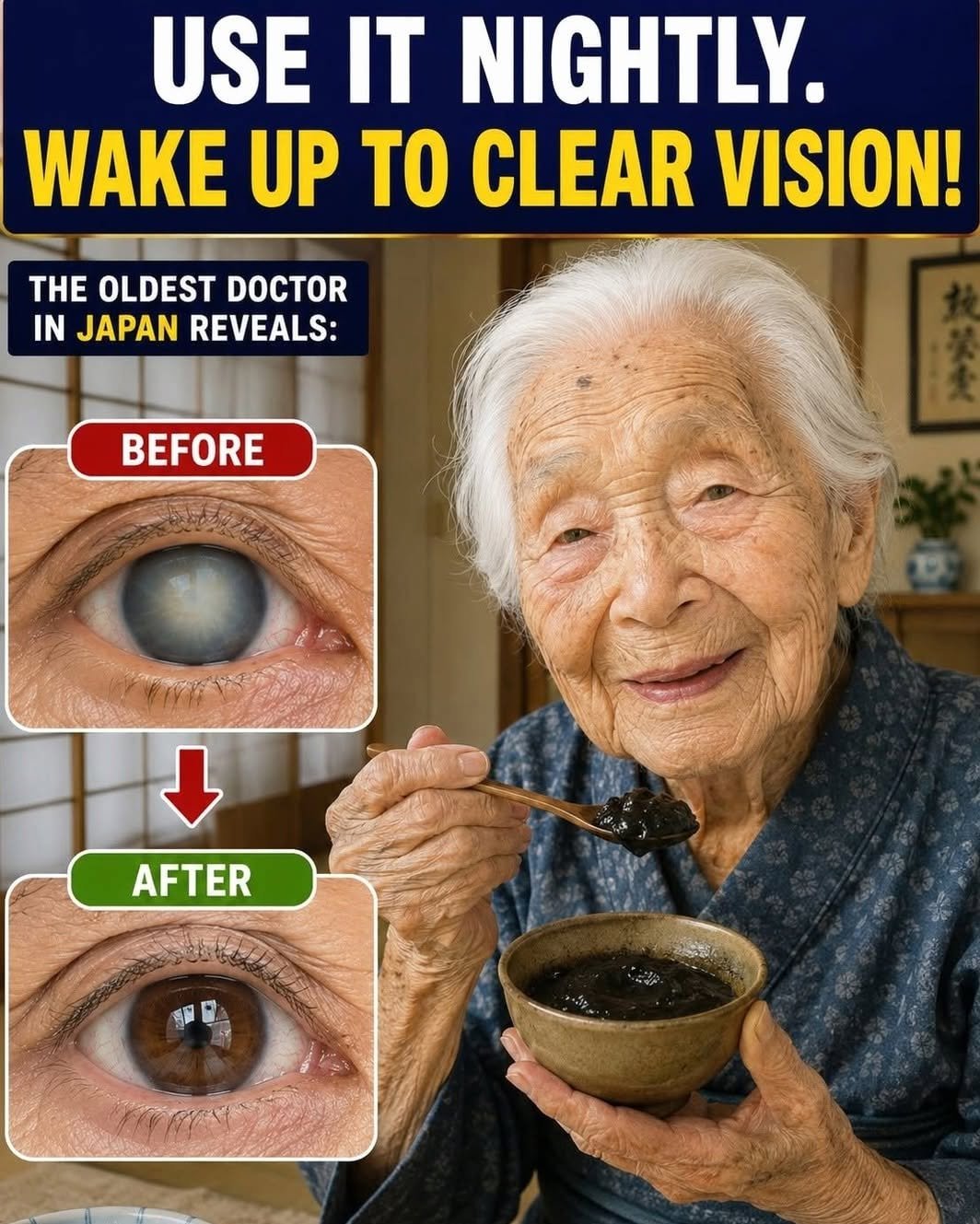
Viral health ads and clickbait articles love to rely on dramatic, sensationalized hooks—often invoking a mysterious “world’s oldest doctor” or a secret nighttime food hack—to promise that you can magically reverse failing vision or cure structural eye diseases simply by eating a specific snack before bed.
Ophthalmologists and vision scientists take a much more evidence-based look at how nutrition actually affects your eyes, separating solid preventative health from internet folklore.
The Reality of Diet and Vision
-
Can Food Improve Existing Vision Loss? No. Conditions like nearsightedness (myopia), farsightedness, astigmatism, cataracts, and age-related macular degeneration involve structural changes in the lens, cornea, or retina. Eating a specific food at night cannot physically reshape your eye lens or restore lost visual acuity.
-
The True Role of Nutrition: While food won’t act as an overnight miracle cure or replace eyeglasses, proper nutrition does play a vital role in supporting long-term retinal health and protecting the eye cells from oxidative stress over time.
What Science Actually Recommends for Eye Health
Instead of a single “secret bed-time superfood,” comprehensive eye health relies on consistent intake of key vitamins and antioxidants identified in major clinical studies (like the Age-Related Eye Disease Studies):
-
1. Lutein and Zeaxanthin (The Shielding Pigments):
-
Where to find them: Dark leafy greens like spinach and kale, as well as corn and orange peppers.
-
What they do: These powerful carotenoids concentrate in the macula (the part of the retina responsible for sharp, central vision), acting as a natural filter against harmful high-energy blue light and oxidative damage.
-
-
2. Vitamin A and Beta-Carotene (For Low-Light Vision):
-
Where to find them: Carrots, sweet potatoes, and squash.
-
What they do: Vitamin A is a crucial component of rhodopsin, a protein in your eyes that helps you see in low-light conditions. (Though contrary to the old myth, eating extra carrots won’t cure you if you already need glasses).
-
-
3. Omega-3 Fatty Acids (For Dry Eyes):
-
Where to find them: Fatty fish like salmon, mackerel, and sardines, or flaxseeds.
-
What they do: Omega-3s support the eye’s oil-producing glands, helping to maintain a healthy tear film and prevent chronic dry eye discomfort.
-
💡 The Big Takeaway
There is no magical midnight snack that can reverse vision loss or eliminate the need for corrective lenses. Protecting your eyesight is a lifelong game of balanced nutrition, wearing UV-blocking sunglasses, and getting regular comprehensive eye exams with an optometrist or ophthalmologist.
Are you looking to support your overall eye health through diet, or did a viral “miracle vision” headline catch your attention?
