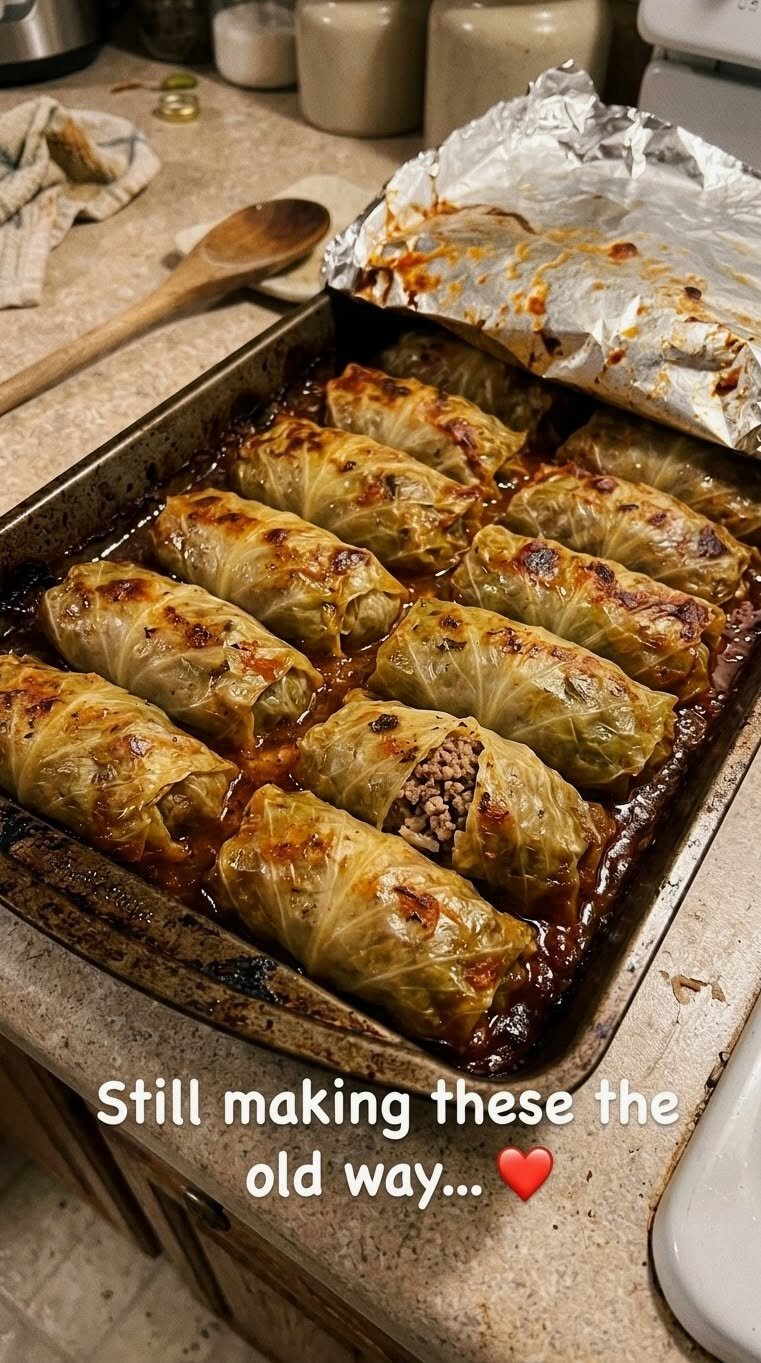
Farcellets de col (Catalan for “little cabbage parcels”) are a traditional, comforting Mediterranean classic—essentially Catalonia’s answer to stuffed cabbage rolls. Originating as a clever, rustic peasant dish, they transform humble ingredients into a rich, deeply flavorful meal by wrapping savory fillings in tender cabbage leaves and simmering them in a luscious sauce.
What makes traditional Catalan farcellets distinct from Eastern European cabbage rolls is the filling and flavor profile, which often features a sweet-and-savory touch and a signature Catalan thickening technique.
The Anatomy of Authentic Farcellets de Col
-
The Cabbage Wrapper: Traditionally made using Savoy cabbage (or a local green winter variety), the outer leaves are carefully blanched in boiling water just long enough to become pliable and easy to fold without tearing.
-
The Filling: Unlike rice-heavy variations, traditional Catalan fillings lean heavily on seasoned minced pork (or a mix of pork and beef), often elevated with sweet golden raisins soaked in wine or brandy, and toasted pine nuts for texture. A piece of bread soaked in milk is typically mixed into the meat to keep the interior incredibly tender and moist.
-
The Sauce and Picada: Instead of a basic tomato pour, these parcels are often lightly dusted in flour, pan-sear-golden, and then simmered in a white wine reduction enriched with a traditional Catalan picada—a pounded paste of garlic, toasted almonds, and crisp biscuits (or crackers) that thickens and ties the savory sauce together.
How to Make Traditional Catalan Farcellets de Col
-
Ingredients:
-
For the Parcels:
-
1 large head of Savoy or green cabbage (saving 12 large, intact outer leaves)
-
400g ground pork (or a 50/50 mix of pork and beef)
-
30g golden raisins (soaked in a splash of white wine or brandy)
-
30g pine nuts, lightly toasted
-
1 slice of white bread, soaked in milk and squeezed out
-
1 egg (as a binder)
-
Salt, black pepper, and chopped parsley
-
A little flour for dusting and olive oil for frying
-
-
For the Sauce & Picada:
-
1 cup dry white wine or chicken broth
-
2 cloves of garlic
-
20g almonds, toasted
-
1-2 plain Maria biscuits or hard crackers (the traditional secret thickener)
-
A splash of olive oil
-
-
-
Step-by-Step Instructions:
-
Blanch the Cabbage: Carefully remove 12 large leaves from the cabbage, cutting away any thick, rigid center stems. Plunge them into a large pot of boiling salted water for 1 to 2 minutes until bright green and pliable, then transfer them to an ice bath to stop the cooking. Pat dry.
-
Mix the Filling: In a large bowl, combine the ground pork, soaked and drained raisins, toasted pine nuts, milk-soaked bread, egg, parsley, salt, and pepper. Mix thoroughly until well combined.
-
Assemble the Parcels: Place a blanched cabbage leaf flat on your workspace. Spoon about 2 tablespoons of the meat mixture into the center. Fold the bottom edge up over the filling, fold in the sides snugly, and roll it up tightly into a neat little package.
-
Sear: Lightly dust each cabbage roll in a tiny bit of flour. Heat a splash of olive oil in a deep skillet or Dutch oven and sear the parcels for a minute or two on each side until lightly golden.
-
Make the Picada: Using a mortar and pestle, crush the garlic cloves, toasted almonds, and biscuits together into a fine paste, working in a little olive oil or white wine to loosen it up.
-
Simmer to Perfection: Pour the white wine and broth into the skillet with the cabbage rolls. Stir in your almond-garlic picada paste, which will melt into the liquid and create a rich, glossy gravy. Cover the pan and let everything simmer gently on low heat for 30 to 35 minutes until the pork filling is fully cooked through and the sauce has thickened.
-
💡 The Big Takeaway
Farcellets de col prove that rustic comfort food can be surprisingly sophisticated. The combination of savory pork, sweet pockets of raisins, nutty crunch, and a rich wine-and-almond sauce makes it a standout way to elevate humble cabbage.
Are you looking to try your hand at making this classic Catalan dish at home, or did you encounter it on a menu recently?
