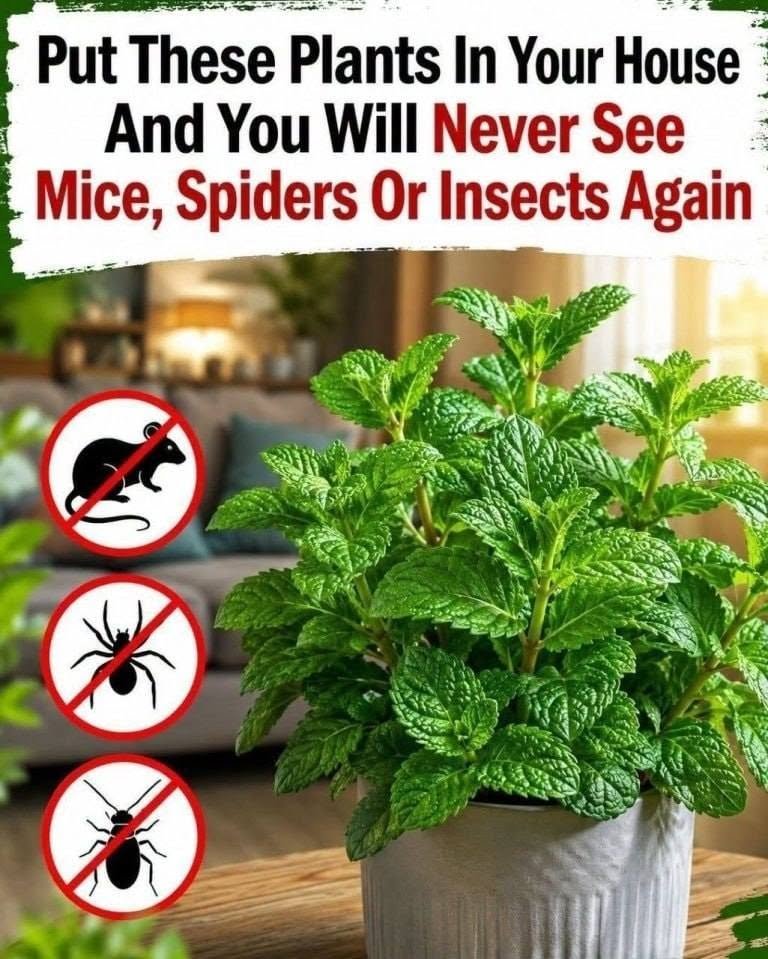
Using aromatic plants and herbs is a popular, eco-friendly way to naturally deter mice, spiders, and unwanted insects from your home and garden. Most of these deterrents work because pests dislike strong essential oils and pungent scents that overwhelm their sensitive navigation and olfactory systems.
Top Plants for Natural Pest Control
-
Peppermint & Mint: The high menthol content makes mint intensely refreshing to humans but deeply offensive to mice, ants, and spiders. Tip: Plant mint in pots, as it spreads aggressively in open soil.
-
Lavender: Celebrated for its calming floral scent to us, lavender gives off a fragrant oil that confuses mice, repels moths, and discourages flies and beetles.
-
Chrysanthemums (“Mums”): These colorful flowers naturally produce pyrethrin, a chemical compound frequently used in commercial insect repellents that wards off roaches, ants, ticks, and bed bugs.
-
Rosemary: This woody, aromatic herb emits powerful aromatic compounds that disrupt the sensory tracking of both mice and common crawling insects.
-
Catnip: While cats love it, rodents, cockroaches, and spiders intensely dislike its skunky, pungent mint-family aroma.
-
Basil: An easy-to-grow kitchen herb whose pungent foliage acts as a natural barrier against flies, mosquitoes, and spiders when placed near windows and doorways.
-
Marigolds: Featuring a distinct, musky scent, marigolds act as a heavy-duty border defense in gardens to keep away mice, aphids, and mosquitoes.
-
Garlic & Chives: The sharp, sulfur-heavy allium scent is highly unappealing to mice, spiders, and root-attacking garden pests.
Practical Tip: If you aren’t ready to keep live potted plants indoors, you can replicate many of these benefits by using concentrated essential oils (like peppermint or lemon eucalyptus) diluted in water as a natural spray, or by tucking dried lavender and rosemary into sachets around entry points.
Are you looking to set up a natural barrier against pests indoors, or planning an outdoor garden layout?
