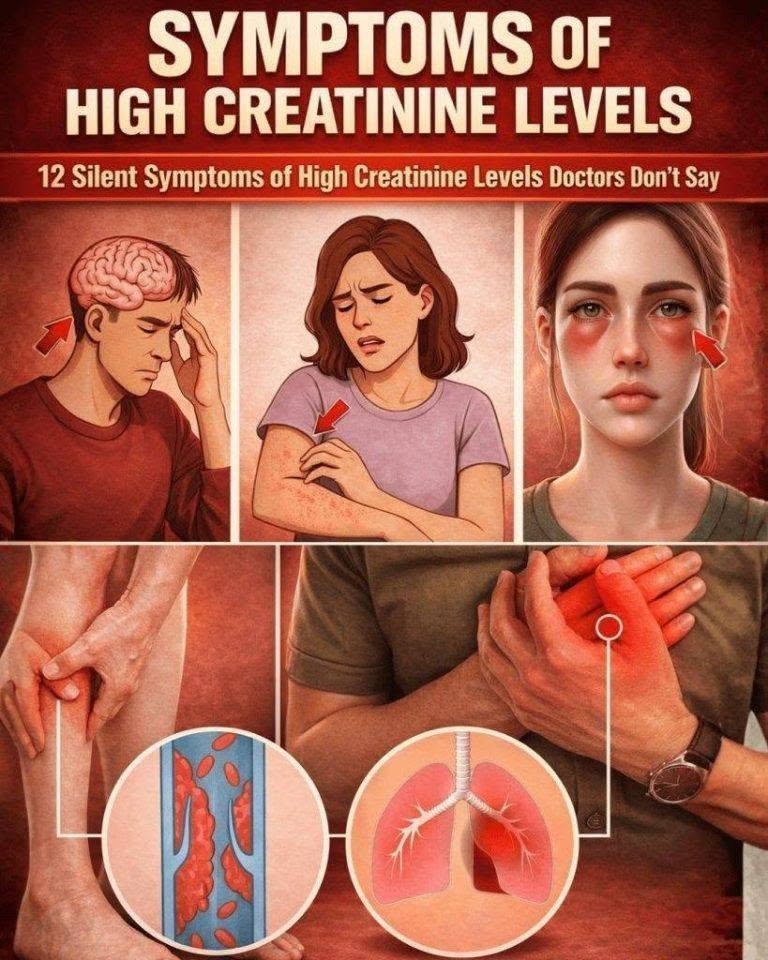
That classic health headline—“12 Subtle Signs of High Creatinine Levels That Could Point to Early Kidney [Disease/Failure]”—is a masterclass in medical clickbait. It takes a routine lab marker, wraps it in a dozen vague, everyday symptoms (like feeling tired, puffy eyes, or minor changes in bathroom habits), and implies that you can diagnose complex renal disease by looking at a checklist on your phone.
When you strip away the sensationalized framing and look at what nephrologists (kidney specialists) actually deal with, creatinine is a very specific clinical metric, and your body does not send “subtle outward signs” that let you guess your blood work from your couch.
Here is what creatinine actually is, how the kidneys work, and why internet lists get this topic completely backwards:
The Reality Behind Creatinine and Kidney Function
-
What is Creatinine?
-
The Biochemistry: Creatinine is a normal, everyday waste product generated by the breakdown of muscle tissue during regular physical activity. Your muscles produce it at a fairly steady rate, and your bloodstream carries it to your kidneys, which filter it out and flush it away in your urine.
-
-
Why High Creatinine Isn’t a “Subtle Symptom” Game:
-
The Clinical Reality: You cannot “feel” high creatinine. Creatinine levels are a laboratory measurement, not a sensory experience. By the time kidney function drops enough for a person to experience outward physical symptoms from waste buildup (like severe fatigue, swelling, or nausea), the condition is usually well past the “early subtle signs” stage and requires formal blood and urine panels (like an eGFR test).
-
What Actually Elevates Creatinine (Beyond Kidney Disease)
One of the biggest flaws in internet health lists is pretending that a slightly elevated creatinine level automatically equals kidney failure. In reality, creatinine fluctuates based on several non-disease factors:
-
High Muscle Mass and Heavy Lifting: Because creatinine comes from muscle breakdown, people with high muscle mass or those who just crushed a heavy resistance-training workout often have naturally higher baseline creatinine levels.
-
Protein Intake and Supplements: Eating a high-protein diet or taking certain supplements (like creatine monohydrate) can temporarily bump up serum creatinine without indicating any damage to the kidneys themselves.
-
Dehydration: If you are acutely dehydrated, your blood volume drops, making waste products like creatinine appear more concentrated in a standard blood test. Rehydration often brings those numbers right back into range.
The Takeaway
You cannot diagnose your kidney health by checking off a list of vague daily fatigue symptoms. If you want to know your true kidney function, it requires a standard blood test ordered by a physician—not a scrolling internet list designed to make you panic.
Are you looking over routine lab work results with your doctor, or tracking down another piece of sensationalized medical media?
