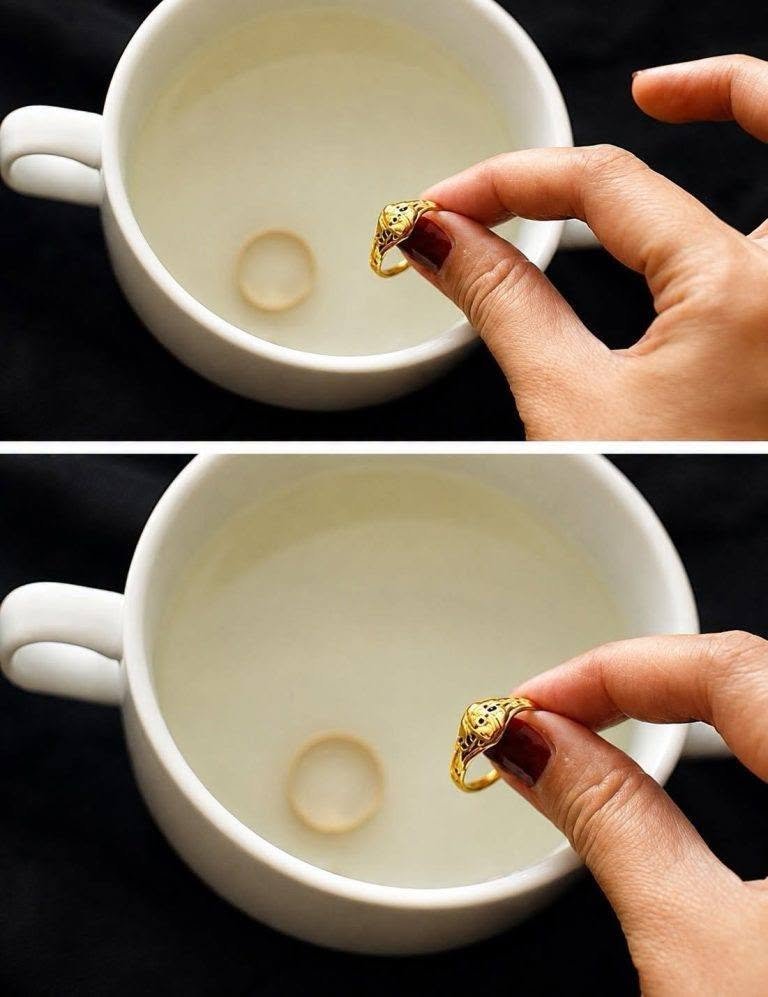
That classic DIY headline—“How to Make Your Jewelry Shine Again: A Simple Cleaning Method”—is a welcome change of pace from medical scares and dental disasters. It trades fear for a bit of satisfying household chemistry, promising to restore that fresh-out-of-the-jeweler’s-box sparkle.
When you strip away the lifestyle-blog fluff, cleaning jewelry at home isn’t magic; it is a straightforward exercise in chemical reactions, physical surface tension, and understanding metallurgy. Over time, everyday oils from your skin, lotion residue, soap scum, and microscopic dust settle into the nooks and crannies of your jewelry, refracting light and making precious metals and stones look dull.
Here is what is happening chemically when you clean your jewelry, and how to do it safely without ruining your favorite pieces:
The Chemistry of Common DIY Jewelry Cleaning
-
The Gentle Degreaser (Warm Water and Mild Dish Soap):
-
The Chemistry: Most everyday dullness on gold and platinum is just a thin film of grease and skin oils trapped around the stones. Dish soap is formulated to break molecular bonds in lipids (fats/oils). Letting your jewelry soak in warm, soapy water breaks down that greasy film, allowing debris to float free without harsh scrubbing.
-
-
The Baking Soda and Aluminum Foil Reaction (For Silver):
-
The Chemistry: Sterling silver doesn’t just get dirty; it tarnishes. Tarnish is silver sulfide, created when silver reacts with sulfur compounds in the air. Instead of scrubbing away the tarnish (which wears down the metal), a classic chemistry hack uses electrochemistry. Placing a piece of aluminum foil at the bottom of a bowl, adding baking soda, hot water, and your silver jewelry creates a galvanic cell. The sulfur transfers from the silver to the aluminum foil, instantly reversing the tarnish chemically.
-
A Crucial Warning: Know Your Stones and Metals
While simple cleaning methods work wonders on solid gold, platinum, and hard gemstones like diamonds, using the wrong method can permanently ruin certain pieces:
-
Soft or Porous Gemstones (Opals, Pearls, Turquoise, Emeralds): These stones are delicate and often contain water or organic material. Soaking them in hot water, harsh dish soaps, or using ultrasonic cleaners will crack, discolor, or dissolve them. They require a damp cloth and specialized, gentle care.
-
Plated Metals (Gold-Plated or Costume Jewelry): Vigorous scrubbing or harsh chemical cleaners will quickly strip away thin gold or silver plating, revealing the base metal underneath.
The Takeaway
A sparkling piece of jewelry doesn’t require expensive commercial dip cleaners or risky DIY hacks. A little warm soapy water, a soft baby toothbrush for gentle agitation, and an understanding of what your jewelry is actually made of will bring back the shine safely.
Are you looking to clean a specific piece of heirloom jewelry, or exploring everyday household cleaning hacks?
