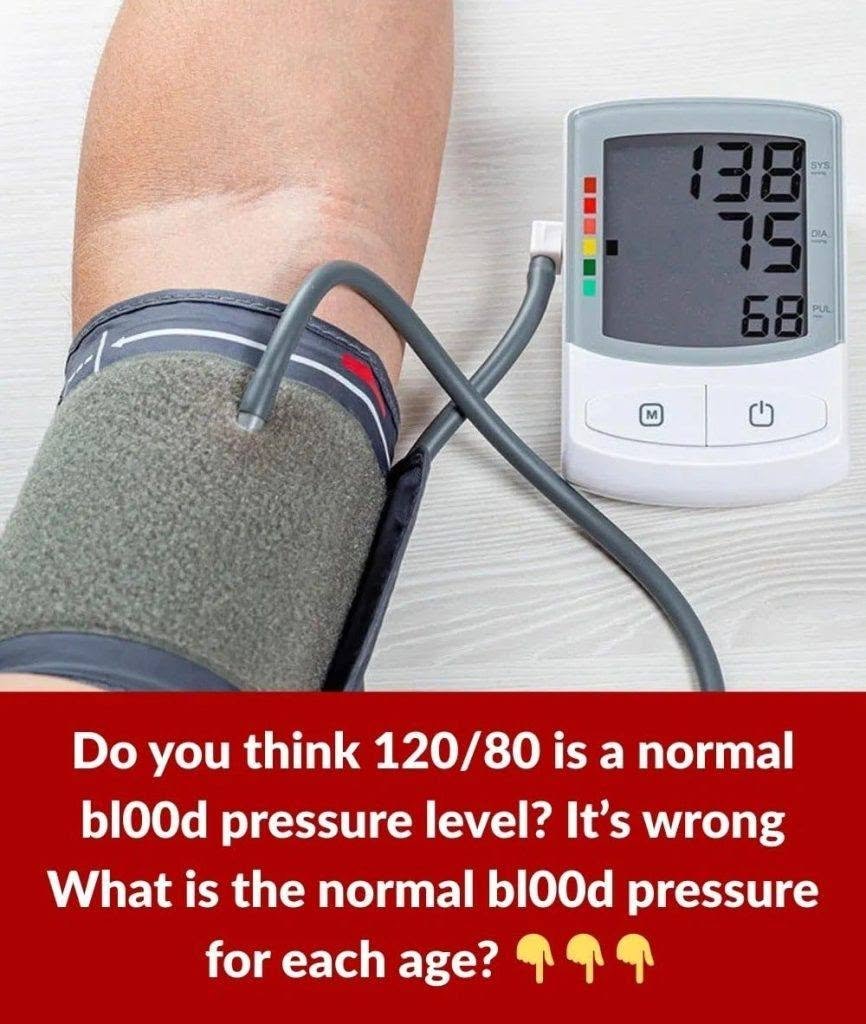
That classic wellness headline—“What Is The Normal Blood Pressure For Each Age”—is one of the most persistent myths in health media. It usually leads to a neat little chart claiming that if you are 20, your blood pressure should be one thing, but if you are 70, you are “allowed” to have sky-high numbers because you’re older.
When you strip away the internet charts and look at what modern cardiology and guidelines (like the American Heart Association and ACC) actually dictate, the reality is clear: Blood pressure targets do not scale upward automatically just because you are aging.
Here is what is happening physiologically with blood pressure over time, and what clinical medicine actually considers “normal”:
The Reality of Blood Pressure and Age
-
The Biological Shift (Arterial Stiffness):
-
The Physics: As we age, large elastic arteries naturally experience a degree of wear and tear, becoming slightly stiffer (arteriosclerosis). Because stiff pipes require more pressure to pump fluid through, systolic blood pressure (the top number) naturally tends to drift upward in many people as the decades pass.
-
The Misinterpretation: Clickbait takes this natural tendency and mistakes it for a healthy target. Just because it is common for an older adult’s blood pressure to rise doesn’t mean a dangerously high reading is suddenly “normal” or safe for their organs.
-
-
The Universal Clinical Categories:
-
Modern cardiology guidelines emphasize that a healthy blood pressure target remains consistent for most adults, regardless of whether you are 30 or 80:
-
Normal: Less than 120 / 80 mmHg
-
Elevated: 120–129 / less than 80 mmHg
-
Hypertension Stage 1: 130–139 / 80–89 mmHg
-
Hypertension Stage 2: 140+ / 90+ mmHg
-
-
How Clinicians Actually Tailor Blood Pressure Goals
While the ideal target is universally under 120/80 mmHg, doctors practice medicine based on the individual, not a rigid chart:
-
Risk and Comorbidity: For an otherwise healthy 75-year-old, a doctor will still aim for strong cardiovascular protection. However, if a patient is very frail, prone to severe dizziness, or at high risk of fainting and falling from a sudden drop in blood pressure, a clinician might temporarily accept a slightly higher, safer threshold to protect against falls.
-
Consistency Over a Single Reading: Blood pressure fluctuates constantly based on stress, caffeine, temperature, and physical activity. A single high reading at a doctor’s office or on a home monitor isn’t a crisis—it’s a data point that requires tracking over time.
The Takeaway
There is no sliding scale where high blood pressure becomes magically acceptable just because of your birth year. The goal is always to keep pressure at a level that protects your heart, brain, and kidneys from long-term strain.
Are you keeping an eye on your own blood pressure readings at home, or tracking down another piece of health media?
