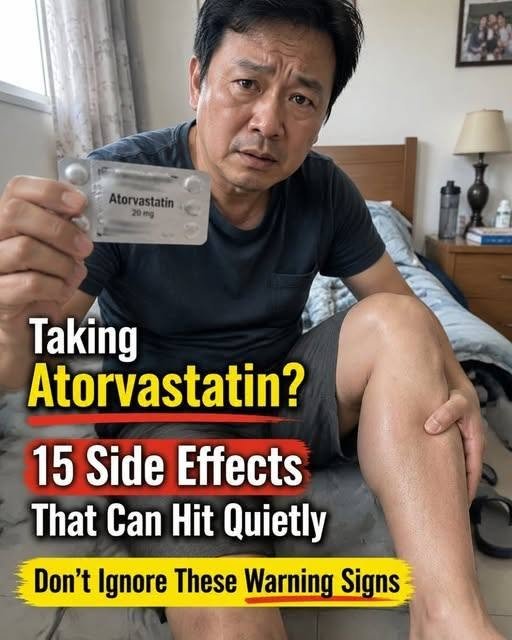
That classic pharmaceutical clickbait headline—“Taking Atorvastatin? Could These 15 Subtle Side Effects Be Affecting You?”—is a masterclass in health anxiety. It targets the millions of people prescribed statins for cholesterol management, capitalizing on normal aches, pains, and everyday fatigue by framing them as secret warning signs of a dangerous medication.
When you strip away the sensationalist listicle format and look at clinical pharmacology and cardiology, the reality is much more nuanced: Atorvastatin is a heavily studied, highly effective medication for lowering cardiovascular risk, and while it does have well-documented side effects, internet lists frequently conflate rare adverse events with ordinary physical aging.
Here is what is actually happening in your body when you take atorvastatin, and how to separate genuine clinical side effects from online panic:
1. How Atorvastatin Works (The Biological Goal)
Atorvastatin belongs to a class of drugs called HMG-CoA reductase inhibitors (statins).
-
The Mechanism: It works in the liver by blocking the enzyme responsible for producing cholesterol. By reducing the liver’s internal cholesterol production, it forces the liver to pull LDL (“bad”) cholesterol out of your bloodstream, significantly stabilizing arterial plaque and lowering your risk of heart attacks and strokes.
2. Real vs. Exaggerated Side Effects
While clinical trials and patient experiences show that statins are generally well-tolerated, legitimate side effects do exist. However, internet articles love to exaggerate their frequency and mystery:
-
Statin-Associated Muscle Symptoms (SAMS): This is the most common complaint, ranging from mild muscle aches or fatigue to soreness. Clinical trials show that mild muscle stiffness can affect a small percentage of patients, often linked to how statins interact with cellular energy production in muscle tissue.
-
The “Nocebo” Effect: Interestingly, large-scale studies have shown that a significant portion of mild muscle aches reported by patients taking statins occur even when patients are given a placebo pill—meaning the expectation of side effects can actually trigger physical discomfort.
-
Liver Enzyme Elevations: In rare cases, atorvastatin can cause an elevation in liver enzymes (transaminases). Routine blood work is designed to monitor this, but actual liver damage from statins is exceptionally rare.
-
Blood Glucose Shifts: Statins can cause a very modest, slight increase in blood sugar levels over time, which is why doctors carefully weigh the cardiovascular benefits against metabolic risk for patients prone to diabetes.
3. What to Do If You Experience Symptoms
If you are taking atorvastatin and notice persistent muscle pain, extreme fatigue, or unusual weakness, do not simply stop taking your medication based on an internet article.
-
Genuine statin intolerance or side effects are easily managed by clinical professionals. Doctors can adjust the dosage, switch you to a different type of statin, or alter your dosing schedule.
The Clinical Takeaway
Atorvastatin is a cornerstone of modern cardiovascular protection, designed to keep your arteries safe and prevent acute cardiac events. While listening to your body is crucial, letting a 15-item clickbait list dictate your cardiovascular health is a risky gamble. Always discuss persistent symptoms directly with the physician who prescribed your medication.
Are you or someone you care about currently managing cholesterol or navigating medication choices?
