That classic health-tech headline—“New method: colonoscopy will no longer be an invasive examination”—hits all the right notes for viral excitement. It plays on a universal truth: nobody looks forward to the prep, the sedation, or the physical scope associated with a traditional colonoscopy.
When you strip away the breathless framing and look at gastroenterology, oncology, and diagnostic innovation, the reality is more nuanced: A traditional colonoscopy itself hasn’t suddenly stopped being an invasive procedure, but the landscape of screening has evolved dramatically to offer powerful, non-invasive alternatives.
Here is what is actually happening in the medical world regarding non-invasive screening and where the traditional procedure still stands:
1. The Real Breakthroughs: Non-Invasive Screening Tools
The push to make colon cancer screening less invasive has led to remarkable diagnostic options that allow patients to screen for warning signs without a physical scope:
-
Advanced Stool-Based and Microbiome Tests: Next-generation tests (like multi-target stool RNA and advanced DNA screenings) analyze stool samples for abnormal cellular markers or specific microbial signatures linked to tumors. Recent machine-learning models analyzing gut microbiota subspecies have shown high sensitivity in flagging markers associated with colorectal cancer.
-
Blood-Based Screening Tests: Emerging liquid biopsy options look for circulating tumor DNA or specific biomarkers in a simple blood draw. While these tests are incredible tools for encouraging higher screening rates among people who completely avoid traditional methods, they are primarily designed as initial detectors.
-
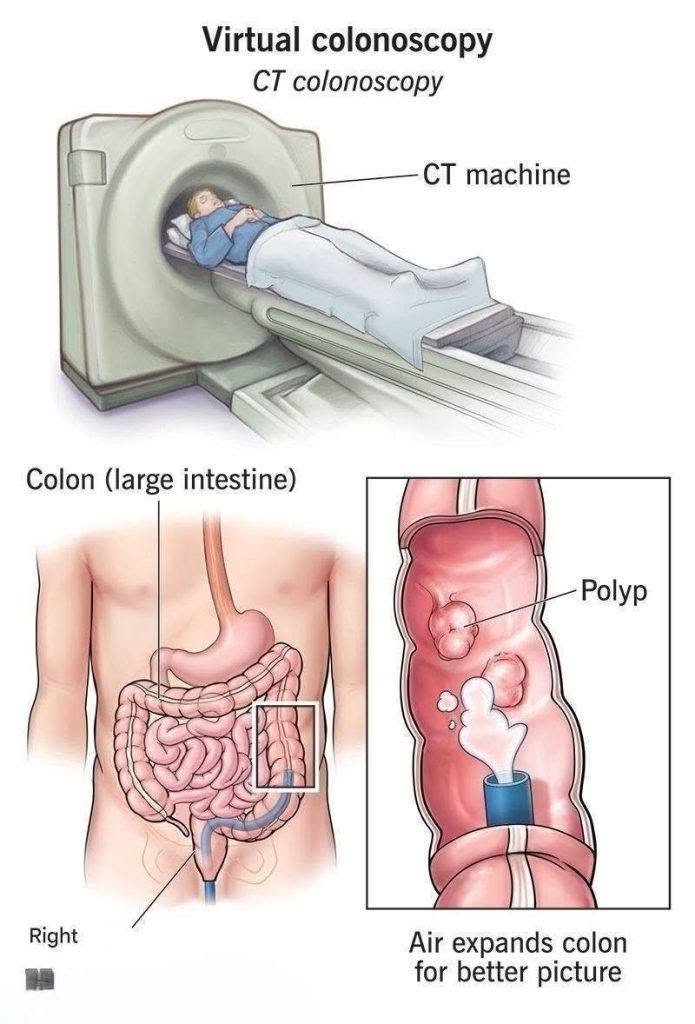
Virtual Colonoscopy (CT Colonography): Using low-dose CT scanning and 3D computer reconstruction, radiologists can examine the interior lining of the colon without inserting a physical scope. It requires similar bowel prep, but avoids sedation and recovery time.
2. Why the Traditional Colonoscopy Remains the Gold Standard
While non-invasive tests are fantastic for routine screening (catching people who need a closer look), they cannot replace a standard colonoscopy for treatment:
-
The Diagnostic-Therapeutic Duo: A traditional colonoscopy is unique because it is both diagnostic and therapeutic. If a non-invasive stool test, blood test, or virtual scan flags a suspicious polyp or lesion, the patient must undergo a standard colonoscopy anyway so the gastroenterologist can physically remove the tissue (polypectomy) or take a biopsy right then and there.
-
Precision and Intervention: A scope allows direct visualization of the entire mucosal lining, enabling doctors to intercept precancerous growths before they ever turn malignant.
The Clinical Takeaway
A traditional colonoscopy hasn’t been magically rewritten into a non-invasive event, but the options for catching colorectal cancer early have expanded past the point of excuses. Non-invasive blood, stool, and imaging tests are breaking down barriers, making it easier than ever to screen average-risk populations—keeping traditional scopes reserved for follow-ups and direct intervention.
Are you exploring screening options for yourself or a loved one, or tracking down another piece of medical media?
