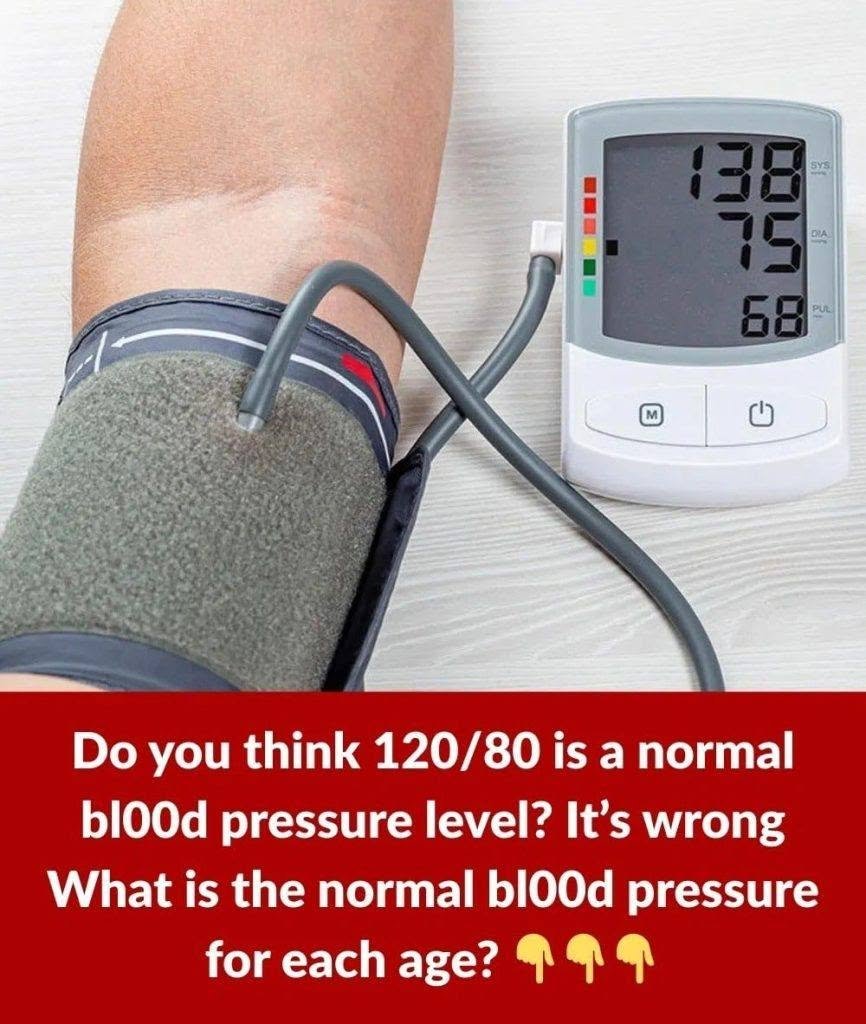
When looking at blood pressure, there is a common misconception that a “normal” reading increases significantly as you get older. While it is true that average blood pressure tends to drift upward with age due to natural arterial stiffening, major medical guidelines emphasize that the optimal target blood pressure remains under 120/80 mmHg for all adults, regardless of age.
Adult Blood Pressure Categories (Ages 18 and Older)
According to standard guidelines (such as those from the American Heart Association), adult blood pressure readings are classified into these categories:
| Category | Systolic (Top Number) | Diastolic (Bottom Number) | |
| Normal | Less than 120 AND | Less than 80 | |
| Elevated | 120–129 AND | Less than 80 | |
| Stage 1 Hypertension | 130–139 OR | 80–89 | |
| Stage 2 Hypertension | 140 or higher OR | 90 or higher | |
| Hypertensive Crisis | Higher than 180 AND/OR | Higher than 120 (Seek emergency care) |
How Blood Pressure Changes Across Age Groups
-
Young Adults (18 to 39 years):
-
Typical Averages: Usually around 110–120 / 70–80 mmHg.
-
What to watch: Maintaining healthy lifestyle habits early on helps prevent the arterial stiffening that typically occurs later in life.
-
-
Middle-Aged Adults (40 to 59 years):
-
Typical Averages: Often drift closer to 120–130 / 75–85 mmHg.
-
What to watch: This is the decade where blood pressure frequently begins creeping upward. While a reading of 130/80 mmHg or slightly higher is common in this age group, it is categorized as Stage 1 hypertension and shouldn’t simply be written off as “normal for your age”.
-
-
Older Adults (60 years and older):
-
Typical Averages: Frequently range from 130 to 140 systolic, often due to stiffening blood vessels (known as isolated systolic hypertension).
-
Treatment Targets: While doctors factor in overall health and frailty, major guidelines still recommend targeting a blood pressure below 130/80 mmHg when safely achievable with lifestyle changes or medication.
-
Children and Adolescents (Under 18)
Blood pressure ranges for infants, toddlers, and children are not fixed numbers like they are for adults. Instead, pediatric blood pressure is determined using percentile charts based on a child’s age, sex, and height.
-
For teenagers (ages 13 and older), the standard adult threshold of less than 120/80 mmHg generally begins to apply.
-
For younger children, normal readings are naturally much lower (for example, a normal toddler’s systolic pressure often hovers around 90–105 mmHg).
Note: A single high reading doesn’t automatically mean you have hypertension, as blood pressure fluctuates constantly due to stress, caffeine, exercise, or excitement. However, if your readings are consistently at or above 130/80 mmHg over multiple checks, it is worth discussing with a healthcare provider.
Are you looking at a specific blood pressure reading you or a family member recently took?
