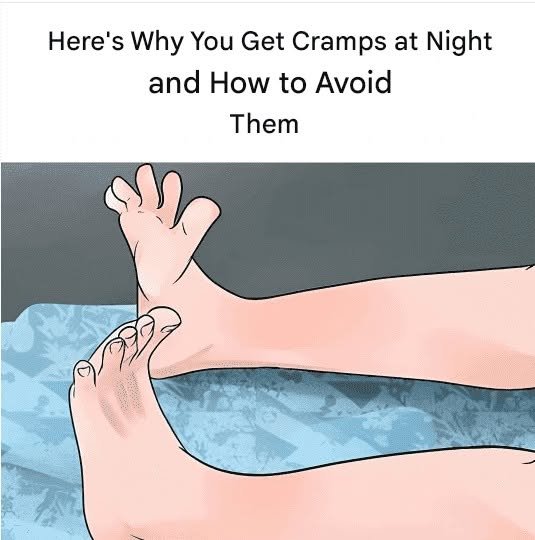
Waking up with a sudden, agonizing muscle spasm in your calf or foot—often called a “charley horse”—is an intensely painful experience. While clickbait videos often claim nocturnal cramps are caused by a single hidden deficiency or secret toxin, medical science points to a combination of muscular, neurological, and positional factors.
Why Nocturnal Leg Cramps Happen
Most nighttime leg cramps are classified as “idiopathic,” meaning they happen spontaneously without a single clear-cut cause. However, doctors and researchers point to several primary triggers:
-
Muscle Fatigue and Overuse: If you overworked your muscles during the day, stood on hard surfaces for hours, or engaged in unusual physical strain, your neuromuscular system is more prone to misfiring while you rest.
-
The Sleeping Position Trap: When you lie on your back or side, your feet often point downward (a position called plantar flexion). This naturally shortens your calf muscles, putting them in a fully relaxed, bunched-up state where any minor, uninhibited nerve signal can trigger an aggressive contraction.
-
Age and Tendon Shortening: As people age, the tendons that connect muscles to bones naturally shorten, making the muscles much more vulnerable to cramping—which is why nighttime cramps become significantly more common later in life.
-
Nerve Discharges: Studies suggest that cramps often originate from hyperactive lower motor neurons sending involuntary, high-frequency signals to the muscle fibers.
Underlying Medical Factors to Keep in Mind
While most night cramps are harmless (though painful), recurring spasms can occasionally be linked to secondary factors:
-
Dehydration or Electrolyte Shifts: Low levels of magnesium, potassium, or calcium can affect how smoothly your nerves communicate with your muscles (though simple dehydration from daily habits is more common than a severe clinical deficiency).
-
Medication Side Effects: Certain common prescriptions—such as diuretics (water pills) used for blood pressure, statins for cholesterol, or certain asthma medications—list leg cramps as a known side effect.
-
Systemic Health Conditions: Conditions like peripheral neuropathy, type 2 diabetes, chronic kidney disease, or circulatory issues can sometimes manifest with increased cramping.
How to Stop and Prevent Them
-
Immediate Relief: When a cramp strikes, stretch the leg straight and flex your foot upward, pulling your toes back toward your face. Massaging the area or taking a warm shower can also help relax the tissue.
-
Prevention Tips: Regular daytime stretching, staying well-hydrated, and keeping the bedsheets loose at the foot of the bed (to prevent your toes from being forced downward while you sleep) can drastically cut down on frequency.
When to See a Doctor: If your cramps are severe, happen multiple times a week, cause lasting muscle weakness, or are accompanied by swelling and skin changes, it is a good idea to consult a healthcare provider to rule out underlying issues.
Do you experience these cramps frequently at night, or are they a rare occurrence for you?
