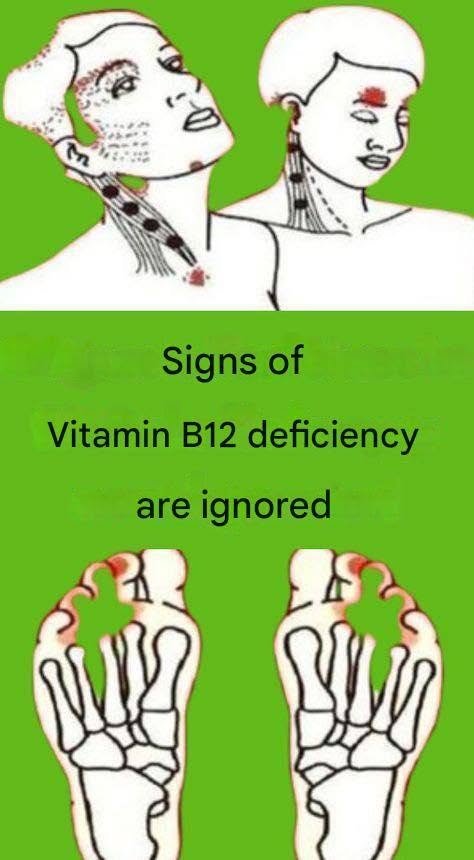
Vitamin B12 is an essential nutrient that your body needs to produce red blood cells, support nerve function, and create DNA. Because your body can store B12 for a few years in the liver, a deficiency often creeps up very slowly, making its early signs easy to dismiss, normalize, or blame on everyday stress, aging, or a busy lifestyle.
Here are the subtle and major signs of vitamin B12 deficiency that are frequently ignored:
## Commonly Ignored Signs
-
1. Persistent Fatigue and Weakness: Feeling deeply exhausted even after a full night’s sleep is one of the most common early signs. Because a lack of B12 impairs your body’s ability to produce healthy red blood cells, your tissues don’t get enough oxygen, leading to chronic tiredness.
-
2. Numbness, Tingling, or “Pins and Needles”: A classic neurological sign is a mild tingling sensation in your hands, feet, or legs. B12 is vital for maintaining the protective myelin sheath around your nerves; without it, nerve function suffers.
-
3. Brain Fog and Memory Lapses: Struggling to concentrate, forgetting simple words, or feeling unusually forgetful is frequently written off as normal aging or stress, but low B12 directly impacts cognitive clarity.
-
4. Pale or Jaundiced Skin: A lack of fully formed red blood cells can give your skin a pale or slightly yellowish tint (jaundice), often making you look washed out.
-
5. Dizziness and Lightheadedness: Feeling unsteady when standing up too quickly or experiencing mild vertigo can result from the body struggling with reduced oxygen delivery.
-
6. A Smooth, Sore, or Red Tongue (Glossitis): Your tongue might feel tender, look unusually smooth due to swollen and inflamed taste buds, or develop painful cracks at the corners of your mouth.
-
7. Mood Changes (Irritability or Low Mood): Because B12 plays a key role in synthesizing brain chemicals that regulate mood (like serotonin), a deficiency can manifest as unexplained irritability, anxiety, or depressive symptoms.
-
8. Unexplained Balance Issues: Difficulty walking smoothly or subtle changes in coordination can occur if nerve damage from prolonged B12 deficiency affects your spatial awareness.
## Why B12 Deficiencies Happen & Who Is at Risk
Even if you eat a balanced diet, you can still develop a deficiency if your body has trouble absorbing the vitamin. Common risk factors include:
-
Age: Stomach acid naturally decreases as we get older, making it harder to extract B12 from food.
-
Medications: Long-term use of acid-reducing drugs (like proton pump inhibitors or H2 blockers) or diabetes medications like metformin can severely hinder B12 absorption.
-
Dietary Choices: Strict vegans and vegetarians are at higher risk because natural B12 is found almost exclusively in animal products (meat, fish, eggs, dairy) unless fortified foods or supplements are used.
-
Digestive Conditions: Conditions like celiac disease, Crohn’s disease, or having undergone gastric surgery can block absorption in the gut.
When to See a Doctor: If you are experiencing persistent fatigue, neurological tinglings, or cognitive fog that doesn’t improve with rest, a simple blood test ordered by your physician can check your B12 levels. Catching a deficiency early is important because prolonged, untreated nerve damage can sometimes become irreversible.
Have you or someone you know been feeling unusually run-down or noticing any of these subtle neurological signs lately?
