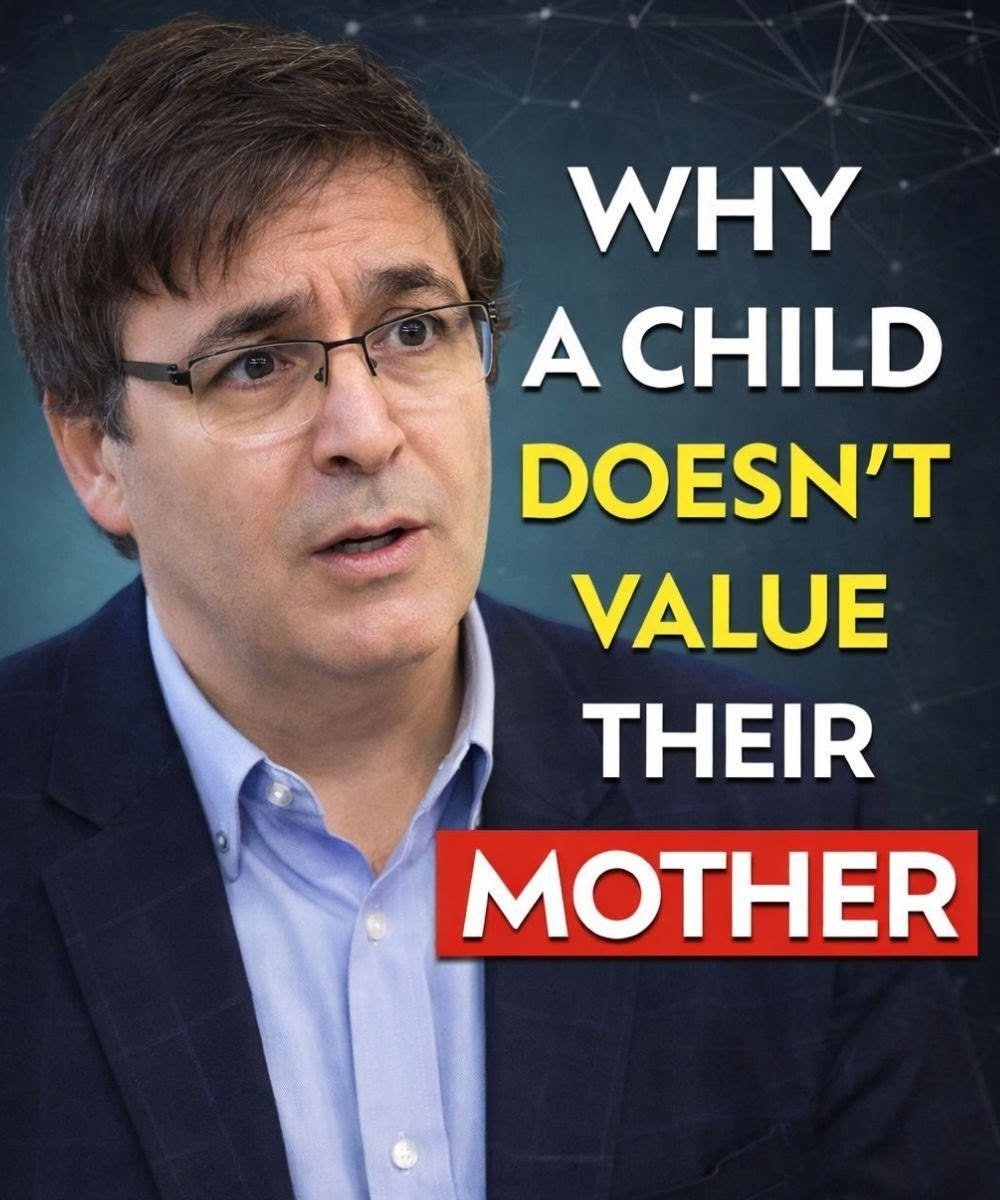
That headline is classic psychological clickbait, using evocative, emotionally heavy language to frame a deeply complex family dynamic as a simple list of clinical takeaways.
Family relationships—especially the bond between a mother and child—are shaped by decades of communication patterns, individual mental health, trauma histories, and life stages. Boiling that down into seven neat, punchy “reasons” often pathologizes normal boundaries or oversimplifies profound relational hurt.
Here is the grounded, psychological reality behind why adult children or adolescents sometimes emotionally distance themselves from their mothers, stripped of the clickbait drama:
1. Chronic Misattunement and Emotional Invalidhip
-
The Reality: Emotional distancing often doesn’t happen overnight; it is frequently the result of years of cumulative emotional invalidation. If a mother consistently dismisses, minimizes, or misinterprets her child’s feelings, the child learns over time that sharing vulnerable emotions is unsafe or pointless. Pulling away becomes a self-protective coping mechanism.
2. Enmeshment and Boundary Violations
-
The Reality: On the flip side of emotional distance is over-involvement. When a parent struggles with personal boundaries, treats the child as an emotional confidant/caretaker (parentification), or attempts to control major life decisions, the child may use emotional distance as the only way to carve out an autonomous identity.
3. Differing Core Values and Worldviews
-
The Reality: As children grow into adulthood, they develop independent belief systems, political views, lifestyles, or relationship frameworks. If a mother reacts to these differences with rigid disapproval, judgment, or attempts at conversion rather than curiosity and acceptance, the child may create distance to preserve peace and mutual respect.
4. Unresolved Intergenerational Trauma
-
The Reality: Parenting styles are frequently passed down. If a mother carries unhealed trauma, perfectionistic expectations, or reactive emotional patterns from her own upbringing, those patterns often trickle down. An adult child may choose emotional distance to break the cycle of generational stress and protect their own mental health.
5. Narcissistic or High-Conflict Family Dynamics
-
The Reality: In more severe cases, personality patterns like chronic manipulation, gaslighting, or shifting blame can create a toxic relational environment. Psychologists often support “low contact” or emotional detachment as a necessary survival strategy for children navigating high-conflict family systems.
6. Natural Differentiation During Adolescence and Young Adulthood
-
The Reality: Not all emotional distance is pathological. During the teen years and twenties, young adults must emotionally separate from their parents to figure out who they are independently. Sometimes, temporary withdrawal is just a normal, messy part of growing up and finding one’s footing in the world.
7. Communication Breakdowns and Unresolved Ruptures
-
The Reality: Every relationship experiences conflicts. However, if a family lacks the tools for healthy repair—where apologies are rare, defensiveness is high, and old grievances are weaponized—resentment builds up. Over time, silence or emotional withdrawal replaces active arguing because the effort to resolve things feels futile.
The Takeaway: Emotional distance in family dynamics is rarely caused by a single “psychological trick” or a neat list of flaws. It is usually a complex, adaptive response to years of relational friction, boundary struggles, or communication styles that failed to evolve.
Are you exploring family dynamics or relationship psychology for personal insight, or just analyzing how lifestyle media handles sensitive emotional topics?
