That headline plays on a universal truth: almost everyone dreads the preparation and invasive nature of a traditional colonoscopy, making the promise of a completely non-invasive replacement an instant click magnet.
While exciting advancements are happening in early screening, the idea that the colonoscopy is suddenly “no longer invasive” mixes genuine medical progress with a bit of futuristic hyperbole.
Here is the grounded, clinical reality behind modern colorectal cancer screening and where technology actually stands:
1. What the Headline is Trying to Say (New Screening Options)
-
The Reality: Researchers and biotech firms have made massive strides in non-invasive screening methods—such as advanced stool-based RNA/DNA tests (like Cologuard or ColoSense), cutting-edge AI-driven microbiome analyses, and blood-based liquid biopsies (like the Shield test).
-
Why it’s a game-changer: These tools allow people to screen for warning signs of colorectal cancer from home or via a routine blood draw, which dramatically lowers the barrier for individuals who might otherwise avoid screening altogether.
2. The Crucial Difference Between “Screening” and “Diagnostic/Therapeutic”
This is where clickbait headlines mislead people into thinking a procedure has fundamentally changed:
-
Screening Tests: These are designed to catch early warning signs or risk factors in average-risk, symptom-free people. Non-invasive tests excel here by flagging who might need a closer look.
-
The Colonoscopy Advantage: A colonoscopy is not just an imaging tool; it is a therapeutic procedure. If a doctor finds a suspicious growth, polyp, or bleeding site during a colonoscopy, they can biopsy the tissue or completely remove the precancerous polyp right then and there during the exact same procedure.
-
The Limitation of Non-Invasive Tests: If a blood test or a stool test comes back positive, you still have to follow up with a traditional, invasive colonoscopy to investigate, biopsy, or remove whatever the non-invasive test flagged.
3. Virtual Colonoscopies: Another Underutilized Option
-
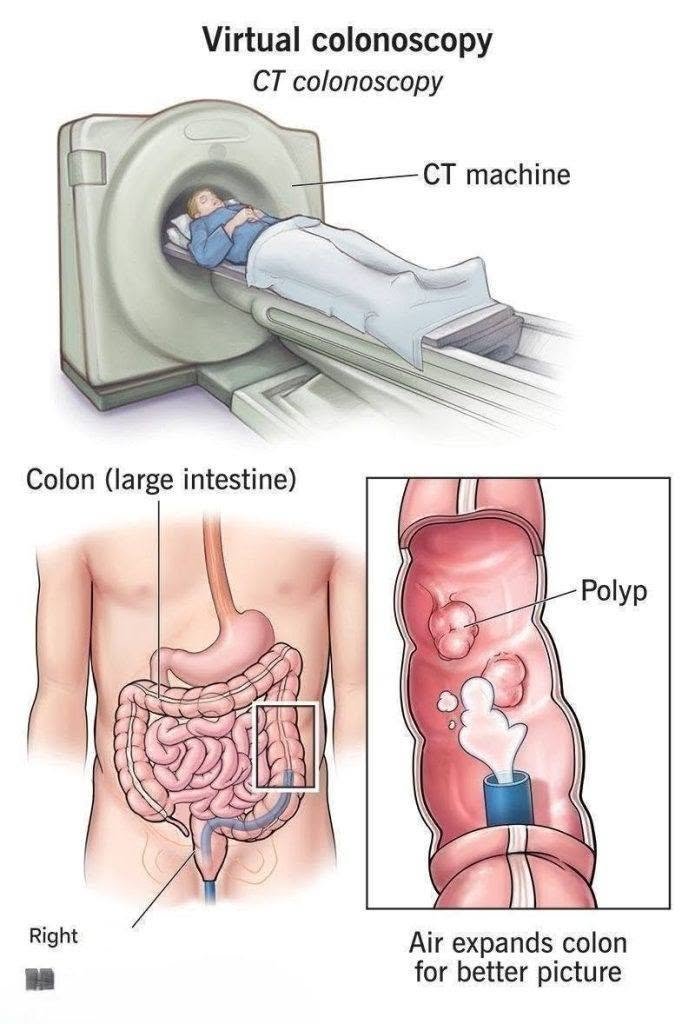
What it is: Some clinics offer a “virtual colonoscopy” (a specialized CT scan of the abdomen).
-
The Catch: While it avoids a physical scope, it still requires the exact same unpleasant bowel-cleansing prep, and if the radiologist spots a polyp, you still have to undergo a standard colonoscopy to have it removed.
The Takeaway: Non-invasive tests are fantastic frontline tools that make routine screening easier and more accessible for millions. However, the colonoscopy remains the gold standard because it can diagnose and treat issues in a single visit. It hasn’t been replaced—it’s just being backed up by smarter early-detection tools.
Are you or someone you know trying to decide between a non-invasive screening test and a standard colonoscopy?
