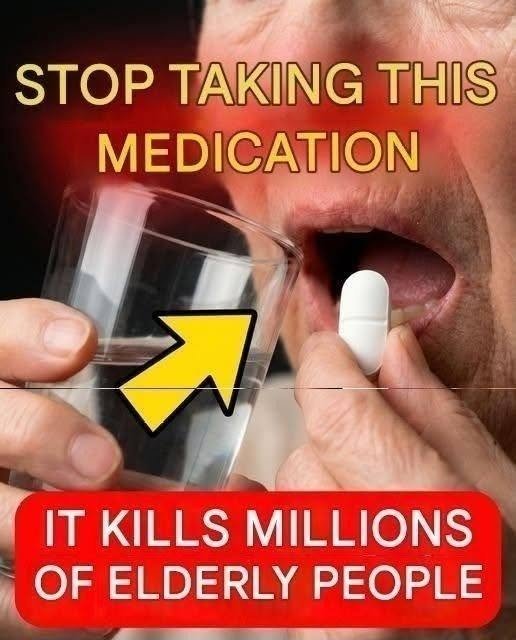
That headline is a masterclass in pharmaceutical scare tactics. By invoking an anonymous “cardiologist warning” and linking five common medications directly to heart attacks and strokes in older adults, it is designed to make patients panic and potentially throw away life-saving prescriptions.
While it is true that all medications carry side effects and require careful management in older adults (who process drugs differently), painting entire classes of routine medicines as ticking cardiovascular time bombs is clinically irresponsible.
Here is the balanced, evidence-based truth about how medications are evaluated for older adults, stripping away the clickbait alarmism:
1. The Context: Why Older Adults Require Extra Medication Caution
-
Pharmacokinetics in Aging: As people age, kidney and liver function naturally decline. This means drugs stay in the system longer, and doses that were safe at age 40 might be too strong at age 75.
-
The Beers Criteria: Geriatricians use established medical guidelines (like the Beers Criteria) to flag medications that pose higher risks for older adults—not necessarily because they cause sudden heart attacks, but because they might increase fall risks, confusion, or kidney strain.
2. Common Medication Classes Targeted by This Clickbait
Clickbait articles in this vein typically lump together everyday medications, misrepresenting their risk profiles:
-
NSAIDs (like Ibuprofen, Naproxen, or Diclofenac):
-
The Reality: Regular, long-term use of high-dose NSAIDs can raise blood pressure and carry a modest cardiovascular risk, particularly for people who already have heart disease. However, occasional use for a sore knee is very different from chronic, unmonitored daily popping.
-
-
Certain Decongestants (like Pseudoephedrine):
-
The Reality: Oral decongestants constrict blood vessels and raise blood pressure. For an older adult with uncontrolled hypertension, taking them can trigger an acute spike. Doctors generally advise hypertensive patients to avoid them, but they aren’t secretly destroying healthy hearts.
-
-
Specific Sleep Aids or Anticholinergics:
-
The Reality: While older first-generation antihistamines or certain sleep aids are discouraged in the elderly, their primary risks involve cognitive fog, dry mouth, and severe dizziness leading to falls—not a direct cardiac event.
-
3. Why Panic-Stopping Medication is Dangerous
-
The Greater Risk: Stopping a prescribed medication out of fear without talking to a doctor is often far more dangerous than the medication itself. For example, abruptly stopping blood pressure medications, blood thinners, or heart regulators because of an alarming internet headline can genuinely trigger a stroke or heart attack.
The Takeaway: Medications are tools balanced by risk and reward. While older adults need careful, personalized medication reviews by their geriatrician or primary care doctor, they should never alter or drop a prescribed treatment based on a sensationalized scare headline.
Are you or a loved one reviewing a medication list with a physician, or did a specific headline catch your eye regarding a family member’s prescriptions?
