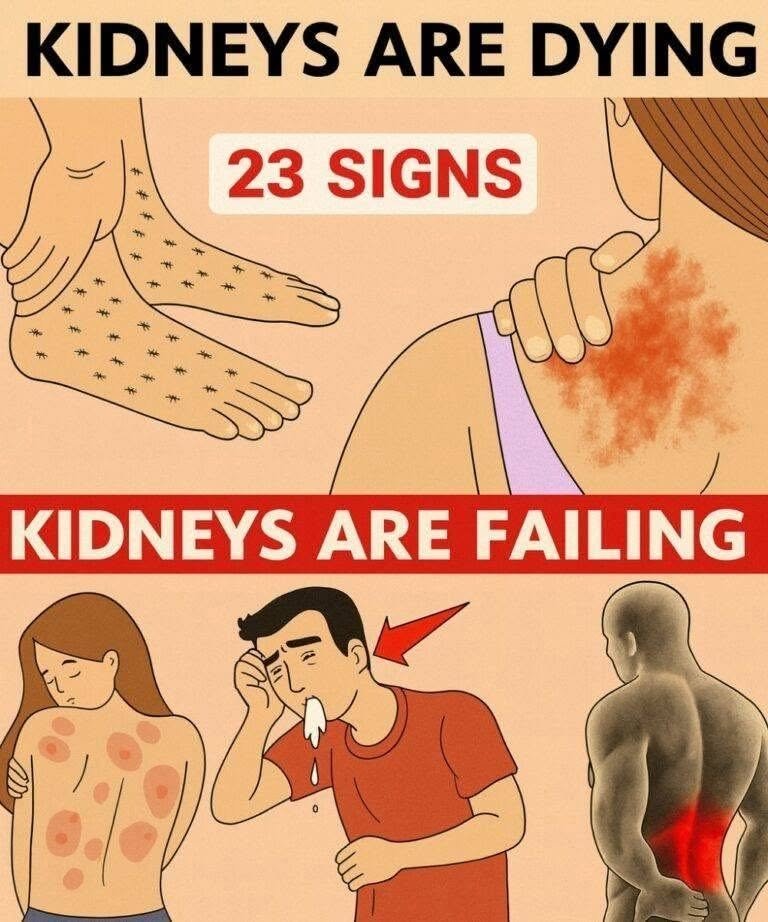
That headline takes health alarmism to an Olympic level. By dangling a staggering 23 strange signs, it guarantees that almost every human reading it will find at least one common, everyday quirk—like feeling a bit tired in the afternoon, having a slightly puffy face after a salty meal, or experiencing dry skin in the winter—and panic that their kidneys are quietly failing.
Your kidneys are remarkably resilient, hardworking filtration units. They don’t usually send cryptic, “strange” signs when they are struggling; instead, when real kidney dysfunction occurs, it triggers specific, measurable physiological changes.
Here is the grounded, clinical reality behind why internet lists invent “strange signs” and what actual kidney warning signals look like:
1. Why “Strange Signs” Lists Are Built for Clickbait
-
The Barnum Effect: Lists of 20+ symptoms are cleverly designed to be as vague and universal as possible (e.g., minor fatigue, muscle cramps, subtle skin itching). Because everyone experiences these normal bodily fluctuations from time to time, the article tricks you into thinking it has diagnosed you personally.
-
Separating Correlation from Fiction: Minor skin dryness or an occasional cramp after a workout can be caused by dozens of things—weather, dehydration, overexertion, or poor sleep. Attributing every minor human discomfort to organ failure is a recipe for chronic anxiety.
2. The Real, Clinically Valid Signs of Kidney Trouble
When your kidneys’ filtration rate (GFR) drops significantly and they can no longer effectively manage fluid, electrolytes, and waste removal, your body gives clear, systemic signals:
-
Noticeable Swelling (Edema): When kidneys can’t filter out extra sodium and fluid, that fluid accumulates in the tissues. This usually manifests as persistent puffiness around the eyes in the morning or noticeable swelling in your ankles, feet, and lower legs.
-
Changes in Urination Patterns: Waking up multiple times during the night to urinate (nocturia), noticing a significant drop in urine output, or observing foamy, bubbly urine (which can indicate protein leaking through damaged filters) are genuine markers doctors watch for.
-
Persistent, Unexplained Fatigue: Failing kidneys struggle to produce enough erythropoietin (EPO), the hormone that signals your bone marrow to make red blood cells. This leads to anemia, causing deep, bone-weary exhaustion that sleep doesn’t fix.
-
Severe Uremic Itching: A heavy buildup of phosphorus and metabolic wastes in the blood can cause intense, deep-seated skin itching that standard lotions won’t touch.
3. How to Actually Monitor Your Kidney Health
-
Lab Work Over Mirror Gazing: You cannot diagnose kidney health by looking for “strange signs” on a list. Routine blood tests (checking creatinine and calculating your eGFR) and a simple urine test (checking for protein) give your physician an exact, objective measurement of how well your kidneys are functioning.
-
The Big Drivers: The two leading causes of chronic kidney disease are high blood pressure and diabetes. Keeping your blood pressure and blood sugar in a healthy range is the single most effective way to protect your kidneys long-term.
The Takeaway: Don’t let a list of 23 vague “strange signs” turn normal everyday fatigue into an existential crisis. True kidney health is measured by routine blood and urine labs ordered by a doctor—not by self-diagnosing internet trivia.
Did this massive list of symptoms pop up on your feed, or is there a specific symptom you’ve been trying to make sense of?
