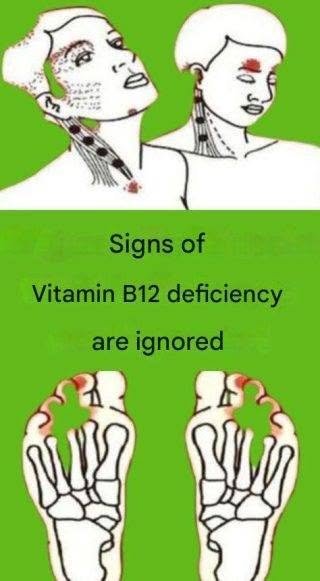
That headline actually strikes closer to a real medical truth than most internet clickbait, but it still wraps a very legitimate clinical concern in a blanket of vague, anxiety-inducing mystery. When headlines warn that “signs are ignored,” they usually rely on fear to make you suspect every little bout of fatigue or brain fog is a looming crisis.
In clinical reality, vitamin B12 deficiency is frequently missed or delayed in diagnosis—not because of a dark conspiracy, but because its early symptoms mimic so many other common conditions, like everyday stress, lack of sleep, or normal aging.
Here is the un-sensationalized medical reality behind vitamin B12, why it gets missed, and what the actual signs are:
1. What Vitamin B12 Actually Does for Your Body
Vitamin B12 is an essential nutrient your body cannot make on its own. It plays a critical role in two massive physiological systems:
-
Red Blood Cell Formation: B12 helps your bone marrow produce healthy red blood cells that efficiently carry oxygen throughout your body.
-
Neurological Function: It is vital for maintaining the myelin sheath—the protective insulation around your nerves—which keeps your brain, spinal cord, and peripheral nervous system firing correctly.
2. Why Early Signs Are Often “Ignored”
Because B12 depletion happens gradually over months or years, the body adapts until it can’t anymore. The early symptoms are notoriously subtle and easily misattributed to modern lifestyle burnout:
-
Fatigue and Weakness: Feeling chronically exhausted is the most common sign, but it’s also the most common symptom of poor sleep, overwork, or stress.
-
“Pins and Needles” (Paresthesia): Mild tingling or numbness in the hands and feet can creep in slowly. People often write this off as “sleeping in a weird position” or poor circulation.
-
Brain Fog and Memory Lapses: Mild cognitive slowing, forgetfulness, or difficulty concentrating can easily be mistaken for standard work fatigue or age-related changes.
3. Who Is Actually at Risk?
You don’t need to panic about a deficiency unless you fall into specific high-risk categories that impair how your body absorbs or consumes the vitamin:
-
Dietary Restrictions: Because B12 is found naturally almost exclusively in animal products (meat, fish, eggs, dairy), strict vegans or vegetarians who don’t supplement or eat fortified foods are at higher risk.
-
Gastrointestinal Factors: Conditions like pernicious anemia (an autoimmune issue where the stomach lacks “intrinsic factor” to absorb B12), celiac disease, Crohn’s disease, or long-term use of acid-reflux medications (like proton pump inhibitors) can severely block B12 absorption.
-
Age: Older adults naturally produce less stomach acid, which makes it harder to extract B12 from food.
The Takeaway: Vitamin B12 deficiency is real and important to catch, but it’s diagnosed through a simple routine blood test ordered by a doctor—not by guessing based on a viral article. If you experience persistent, unexplained fatigue or nerve tingling, a quick chat with your physician is all it takes to get clarity.
Did a wellness article try to convince you that your afternoon tiredness is a sign of a hidden vitamin crisis, or are you just brushing up on your nutrition facts?
